Your gut is home to trillions of microorganisms that help you absorb nutrients, break down medications, and even make vitamins your body needs. Probiotics are live microorganisms (mostly bacteria, but also yeasts) that support and help balance everything happening in there.
Probiotics act in the digestive tract, where they may improve how it functions. But the benefits extend beyond digestion, too. Jennifer Newton, a registered dietitian and nutrition coordinator at Sky Lakes Wellness Center, explains that a healthy gut microbiome can affect your mood, pain tolerance, energy levels, blood sugar control, and even cholesterol.
Probiotics vs. Prebiotics: What’s the Difference?
You’ve probably heard both terms, but they play different roles: probiotics add beneficial microorganisms to your gut, while prebiotics feed the ones already there.
Prebiotics mainly come from fiber-rich foods, such as fruits, vegetables, beans, lentils, whole grains, nuts, and seeds.
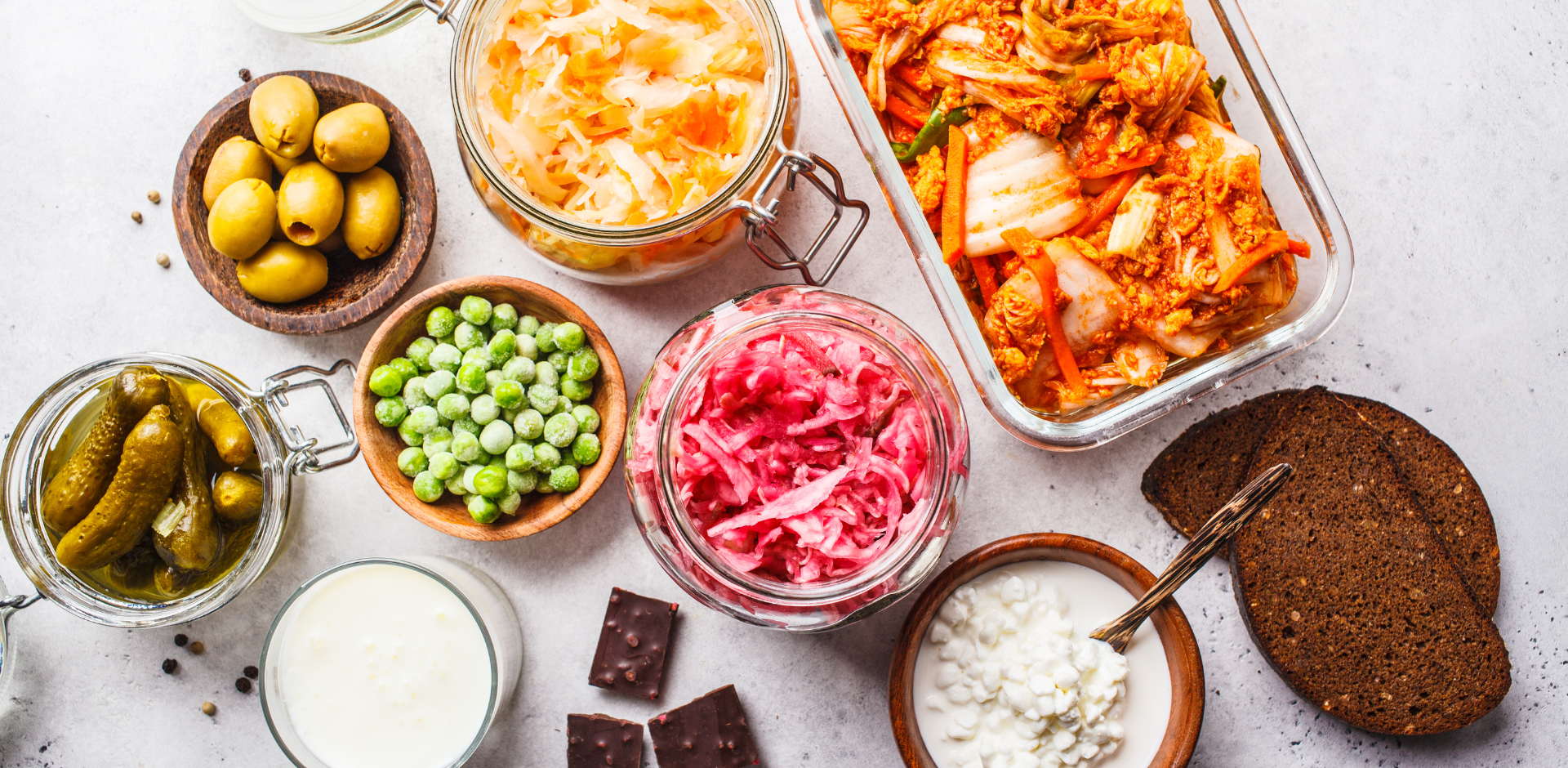
Good food sources of probiotics include yogurt with live and active cultures, kefir, miso, sauerkraut, kimchi, and kombucha. Newton recommends working toward one to two servings of probiotic-rich foods every day and trying different sources because “miso is going to provide something different for us than yogurt will.”
If you’re not used to eating these foods, start slow. A small portion of yogurt daily is a good beginning. Increase gradually to avoid bloating or gas.
Do You Need a Probiotic Supplement?
“Taking a probiotic is trying to help support or add teammates to what’s going on in your gut,” says Newton. “I will say this 100 times over: Food first. If we can get it from food, we should get it from food.”
That said, Newton points to one case where supplements make a lot of sense: when you’re taking antibiotics. “Antibiotics don’t only wipe out the bad; they also unfortunately take out some of the good stuff,” she explains. Taking a probiotic supplement during antibiotic treatment can help replenish your gut.
Also, most of us aren’t eating nearly enough fiber — the very thing that feeds the good bacteria in our gut. If your diet is low in fiber-rich foods, a probiotic supplement may offer some added support.
Which Brands Should You Buy?
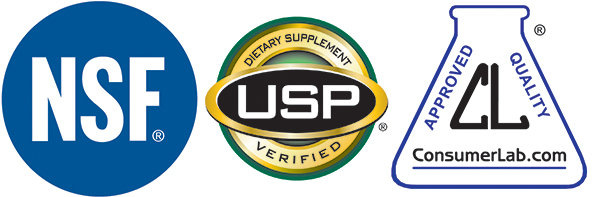
If you do choose a supplement, be a careful shopper. Probiotics aren’t regulated by the FDA, so manufacturers don’t have to prove their products’ quality or even contents. Newton recommends looking for supplements that have been tested by independent third-party organizations like NSF, USP, or ConsumerLab. One of those logos means the product has been verified to contain what it claims, with no dangerous ingredients.
NSF, USP, and ConsumerLab logos
Who Should Be Careful With Probiotics?
Most healthy adults can safely eat probiotic-rich foods or take supplements. But Newton says a few groups should talk with their doctor first: people who are immunocompromised, anyone with a soy or dairy allergy, and people who are severely ill or recovering from surgery. As Newton puts it, probiotics aren’t off-limits; it’s just smart to check with your provider first.
The Bigger Picture
Gut health isn’t just about what you eat. Newton stresses that sleep, exercise, stress levels, smoking, and even exposure to environmental toxins all affect your gut microbiome. “We need to look at our whole lifestyle,” she says.
Try out a cooking class at the Sky Lakes Wellness Center.
These hands-on cooking classes let you explore a new cooking style while teaching you how to use food as medicine.
 [gtranslate]