If you’re like most Americans, you’re probably not getting enough fiber. In fact, only 5% of people in the United States meet the daily recommendations. That’s a problem, because fiber plays a huge role in keeping your colon healthy and reducing your risk of serious diseases.
Why Your Gut Needs Fiber
Think of fiber as food for the good bacteria living in your digestive system. “Fiber is one of those super important nutrients that most of us don’t get enough of,” says Cassidy Quistorff, an educator at Sky Lakes Wellness Center. “It is the main source of food for our gut microbiome.”
When your gut bacteria get enough fiber, they produce substances called short-chain fatty acids that reduce inflammation and maintain your colon lining. Without enough fiber, things can go wrong fast. “If we don’t have fiber, our gut bacteria actually dies and it might even start eating the lining of our digestive tract,” Quistorff explains. This can lead to leaky gut syndrome, irritable bowel syndrome (IBS), and other uncomfortable digestive problems.
Fiber Fights Cancer
Getting enough fiber can significantly lower your risk of colorectal cancer. Studies suggest that people who eat the most fiber have a 27% to 42% lower risk of developing this disease compared to those who eat the least. Fiber speeds up how fast waste moves through your colon, dilutes cancer-causing chemicals in your stool, and feeds bacteria that produce substances shown to stop cancer cells from growing. It also helps prevent hemorrhoids and diverticulosis.
How Much Do You Need?
Women should aim for 25 to 30 grams of fiber each day; men need about 30 to 35 grams. There’s no upper limit, so you don’t need to worry about getting too much from whole foods. Unfortunately, most Americans only eat about 16 grams per day — less than half of what they need.
Signs You’re Not Getting Enough
You might be falling short on fiber if you experience frequent constipation or bloating, hunger soon after eating, blood sugar spikes or energy crashes, or chronic digestive problems. “Even if you’ve had digestive issues your whole life, it really might just be because you’re not getting enough fiber in your diet,” Quistorff notes. “Adding that, you might see a big difference in those uncomfortable digestive issues.”
Easy Ways to Add More
You don’t need to overhaul your diet. Start with small swaps. Replace white bread with whole-grain bread — “this bread actually has like four more grams of fiber than my usual bread,” Quistorff points out. “So there you go. You’re getting like a fifth or a sixth of your daily intake there.” Add chia seeds or flax seeds to yogurt. Load up on berries, which are especially fiber-rich. Aim for five to seven servings of fruits and vegetables a day.
Whole foods are always the best source of fiber; supplements can help in a pinch, but they don’t deliver the vitamins, minerals, and other nutrients that real food does. And if you’re ramping up your fiber intake, do it gradually — too much too fast can cause bloating and cramps. Drink plenty of water as you go. If you have Crohn’s disease or have had bowel surgery, check with your doctor first.
The Bottom Line
“The world would be a happier place if we all got enough fiber,” Quistorff says. She means it literally: the gut-brain connection is real, and the bacteria in your gut produce most of your body’s serotonin. A few simple swaps each day can go a long way toward protecting your colon — and your overall health.
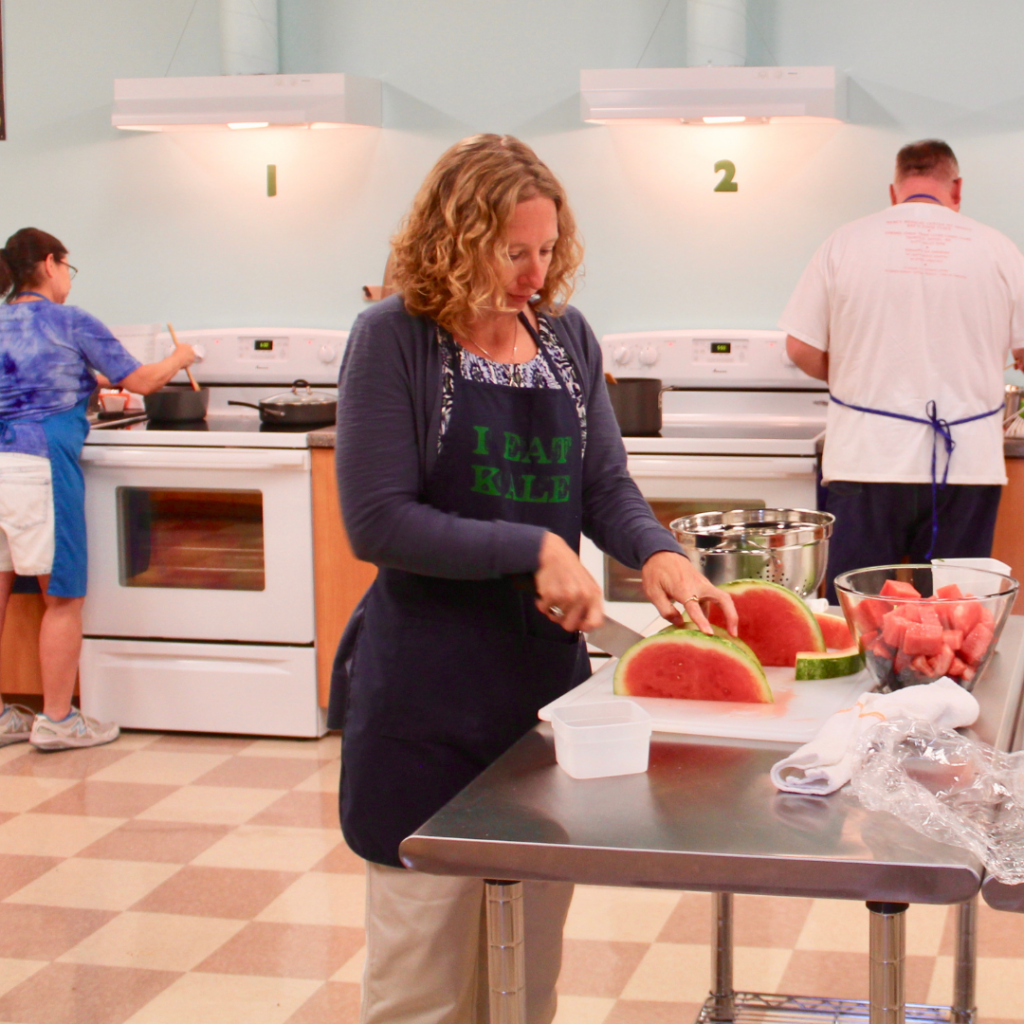
Try out a cooking class at the Sky Lakes Wellness Center.
These hands-on cooking classes let you explore a new cooking style while teaching you how to use food as medicine.
 [gtranslate]