[gtranslate]




SAD vs. Winter Blues: What’s the Difference?
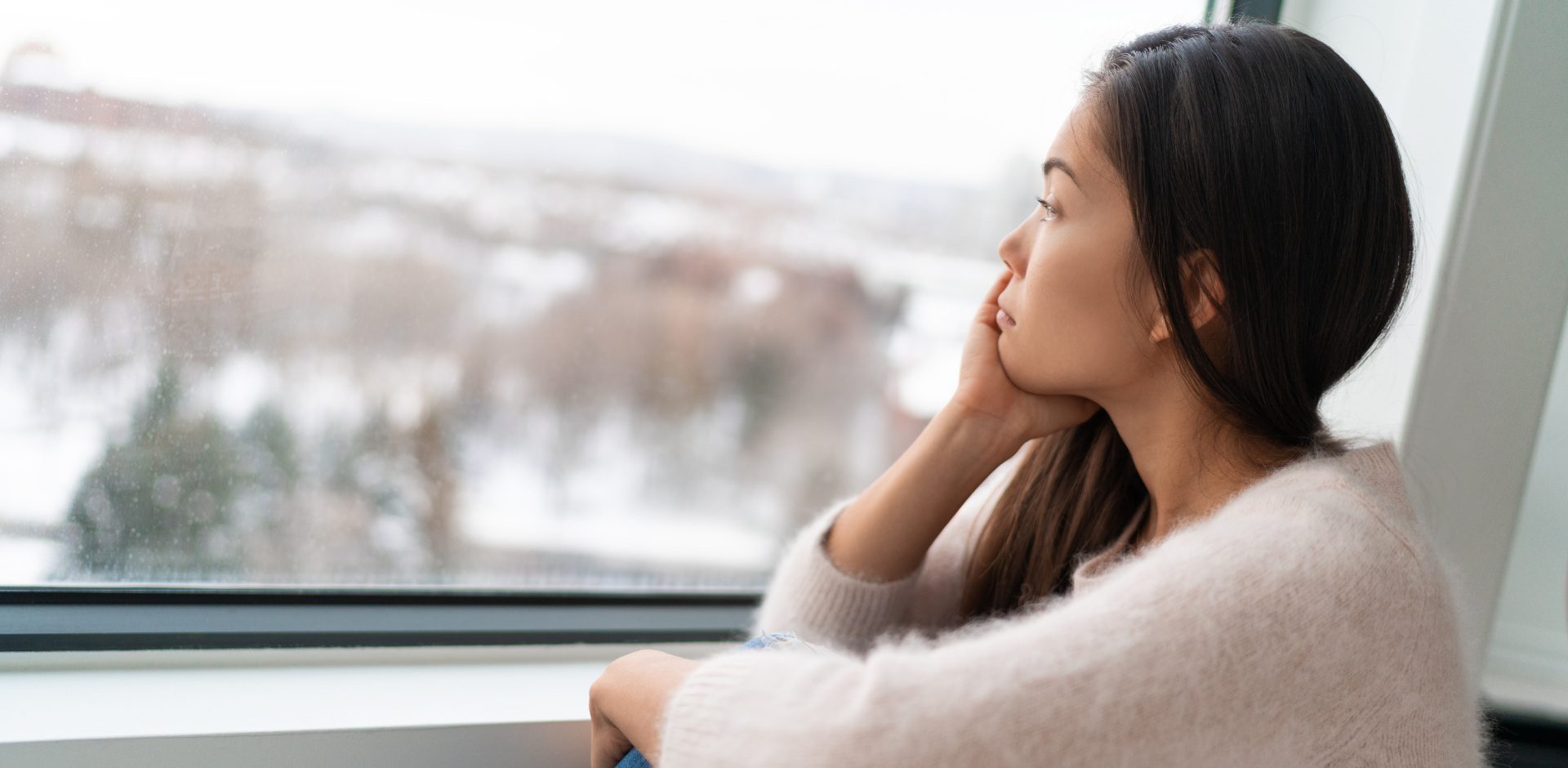
You’ve probably had days in winter when you just don’t want to get off the couch. That’s the winter blues. It’s totally normal, and most people can shake it off. Seasonal Affective Disorder, or SAD, is something more serious.
“Seasonal affective disorder is an actual clinical depression that follows a seasonal pattern,” says Mary McKinney, a qualified mental health associate at Sky Lakes Wellness Center. “It’s going to be more persistent through the whole season, and it’s going to happen most likely year after year.”
SAD affects about 5% of adults in the U.S., and it can last about five months of the year and feel overwhelming. Another 14% of adults experience the winter blues, a less serious condition.
Who Gets SAD?
SAD is more common in women, younger people, and those who live far from the equator where winter days are shorter. A family history of mood disorders, especially SAD and other forms of depression, also raises your risk.
Seasonal Depression Isn’t Just in Your Head
When sunlight fades, your body reacts. McKinney explains that reduced light disrupts your circadian rhythm, which triggers more melatonin (that sleepy feeling) and less serotonin (your natural mood booster). “It is an actual physical thing,” she says. “It’s not just in your head. It is a physical change in our hormones.”
That hormonal shift can cause fatigue, low mood, food cravings, and disrupted sleep. One easy habit that helps, says McKinney, is to try to get at least 15 minutes of morning sunlight, even on cloudy days.
Light Therapy Is an Option
If you can’t get enough natural light, light therapy is a proven option. It involves sitting in front of a special light therapy box that emits very bright light and filters out harmful UV rays, usually for at least 20 minutes or more per day in the morning. Most people see some improvement within one to two weeks.
McKinney notes that light therapy works best for mild to moderate SAD, and that it pairs well with other treatments. For more severe cases, medication may also be needed. She adds that it’s especially appealing to people who are looking for a non-drug option.
Move Your Body
Exercise is one of the best tools you have against seasonal depression, and you don’t have to drag yourself to a gym. McKinney encourages people to think creatively. Yoga, bodyweight exercises, fitness apps, YouTube workouts, and even dancing around your living room all count.
“I think it’s really important — anything that gets your body moving,” McKinney says. She tells the story of a woman in one of her programs who hated exercise but loved music. McKinney’s advice? Dance when no one’s watching. “She was like, ‘Yeah, I can do that.’ And then she did for the rest of the 15-week program.”
Don’t Forget Food and Sleep
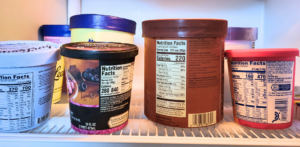
Your diet matters, too. Highly processed foods and lots of sugar can affect your brain chemistry and hormone balance, making a low mood even lower.
McKinney points out that what we eat “affects our body’s ability to do everything it needs to do, both physically and mentally.” Getting enough vitamins, minerals, and nutrients is key, especially in winter, along with getting enough sleep.
When to Talk to a Doctor
Self-care can go a long way, but McKinney recommends seeing a healthcare provider if your symptoms last more than two weeks, interfere with daily life, or don’t improve with your own efforts.
Safety is the top priority — if you’re having any thoughts of self-harm, reach out to a professional right away. You can also call or text 988 (Suicide & Crisis Lifeline) any time for free, confidential support.
Winter is hard for a lot of people. But with the right habits and the right help, you don’t have to just grit your teeth through it.