[gtranslate]




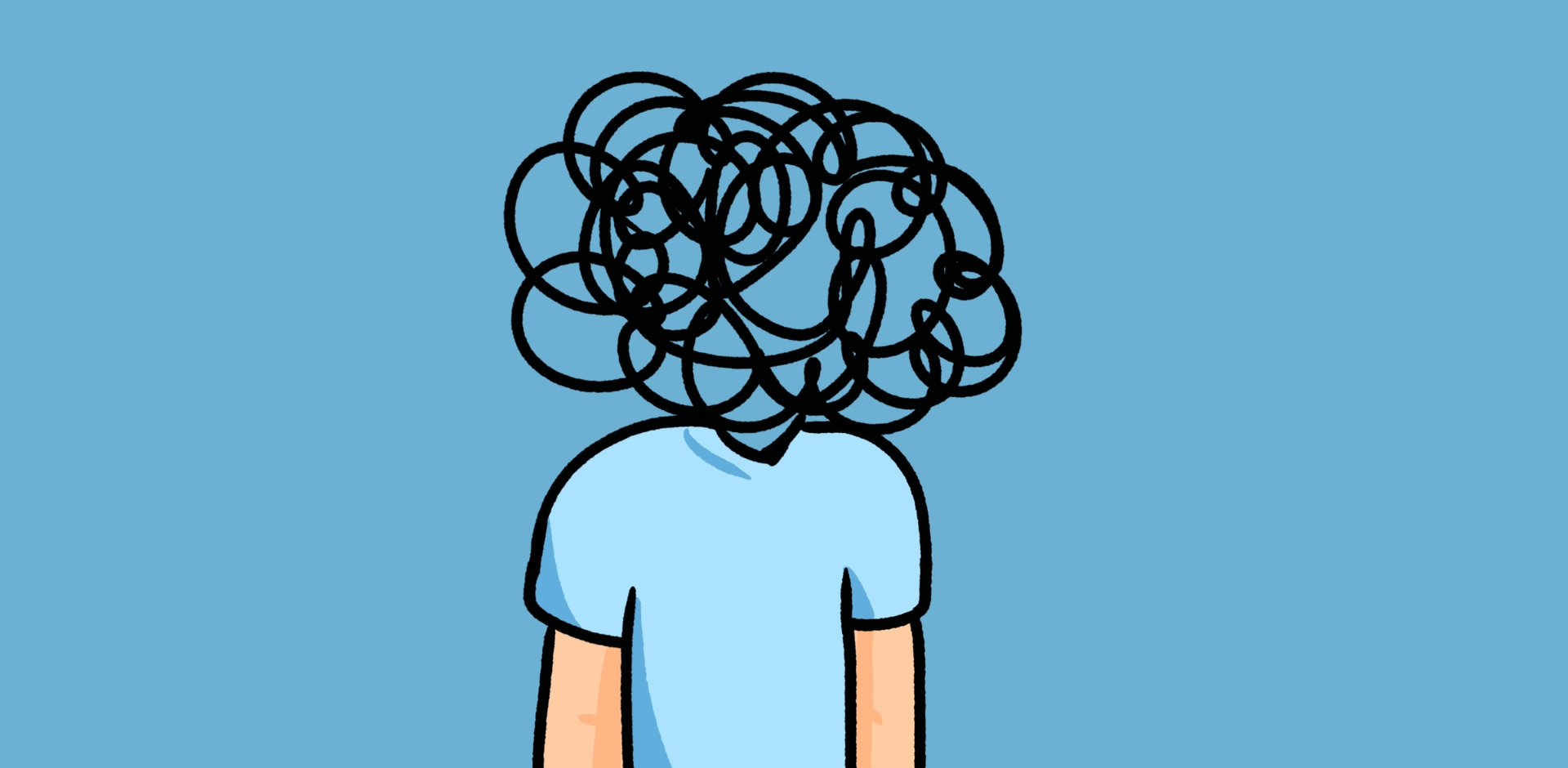
What’s the Difference Between Anxiety and Anxiety Disorder?
Feeling anxious before a big test or work deadline is normal. But anxiety disorders are different. “An anxiety disorder is going to be persistent,” explains Qualified Mental Health Associate Mary McKinney, a health and wellness educator at Sky Lakes. “It’s going to feel more unmanageable. It’s going to have more of an effect on everyday life.”
The National Institute of Mental Health says about 19% of U.S. adults have an anxiety disorder in any given year, and around 31% will experience one at some point in their lives.
What Happens During a Panic Attack?
A panic attack can feel like it comes out of nowhere, and that’s because it often does. You might be driving home, taking a walk, or sitting quietly when it hits. McKinney explains that your body’s fight-or-flight response suddenly kicks into high gear. “The sympathetic nervous system, which is meant to protect us — it’s a good thing that it exists — when it becomes hyperactivated, that’s when it leads to that feeling of panic.”
Symptoms can include a racing heart, chest pain, shortness of breath, sweating, and intense fear. These are also symptoms of a heart attack, which is why panic attacks can feel so terrifying, especially the first time.
McKinney says, “If you think that you might be having a heart attack, you should go get checked.”
How to Calm Down in the Moment
If you have a panic attack, knowing some easy coping techniques can help you feel better. McKinney recommends these:
- Controlled breathing. Try box breathing: Inhale for four counts, hold for four, exhale for four, hold for four. Repeat for several minutes. “It truly calms that sympathetic nervous system,” McKinney says.
- Grounding exercises. The 5-4-3-2-1 technique asks you to notice five things you can see, four you can hear, and so on through your senses.
- Sensory snaps. Putting ice on your chest, a cold splash of water, or even eating a sour piece of candy can jolt your brain out of the fear loop.
- Name it. Tell yourself out loud: “I am having a panic attack. It will pass.”
When to Get Help
You should seek professional care if panic attacks are disrupting your daily life, affecting your sleep, or leaving you feeling paralyzed with fear or worry.
Long-Term Treatment
Managing ongoing anxiety takes a toolkit, and McKinney notes that what works for one person may not work for another. That said, some approaches have strong evidence behind them.
- Therapy. Cognitive behavioral therapy (CBT) is considered the gold standard in psychotherapy for anxiety disorders. It helps you recognize and change the thought patterns that feed anxiety.
- Medication. For many people, medication is helpful, and McKinney emphasizes that it works best alongside other tools, not instead of them. “Even if you get put on a medication and it seems like it’s working well, getting another tool in your toolbox like movement or mindfulness is going to help even more.”
- Lifestyle habits. Regular exercise, a nutrient-dense diet, and sleep all play a major role. McKinney compares us to toddlers: “When they’re out of sorts, we’ll be like, ‘Oh my gosh, they need to take a nap.’ We prioritize that they have a sleep schedule.”
- Mindfulness. You don’t have to sit still for an hour to practice mindfulness. McKinney says you can be mindful while eating, taking a walk, listening to music, or doing a puzzle — anything that keeps your mind grounded in the present moment.
Anxiety and panic attacks are extremely common, but they don’t have to run your life. With the right tools and support, most people can get noticeable relief. If you’re struggling, talk to your doctor or a mental health professional; it’s a great place to start.