A Treehouse, Zip Line, and Climbing Wall: A Look at Sky Lakes’ New Pediatric Therapy Space
Kids don’t always love going to therapy. But at Sky Lakes, therapy can be play.
 [gtranslate]
Our speech language pathologists help adults improve communication, cognitive skills, voice and swallowing so they can participate more fully and confidently in everyday life.

Speech language pathology goes far beyond speech. Our certified speech language pathologists evaluate and treat conditions that affect communication, thinking, voice and swallowing.
Whether you’re recovering from a stroke or brain injury, managing a neurological condition, or experiencing changes in your voice or swallowing, we create an individualized treatment plan based on your goals.

Tailored to your unique goals

Highly trained, compassionate team

PT, OT, SLP for all ages and abilities

Focused on long-term independence and quality of life
Treatment for aphasia, apraxia of speech, dysarthria and other conditions that affect speaking, understanding, reading or writing.
Support for changes in memory, attention, organization, problem-solving and executive functioning.
Evaluation and treatment for dysphagia to help make eating and drinking safer and more comfortable.
Treatment for hoarseness, vocal fatigue, weakness, strain and other changes in voice.
Assessment and treatment for stuttering, cluttering and other conditions affecting the flow of speech.
Evaluation and training with communication strategies and devices when speech alone does not meet a patient’s needs.
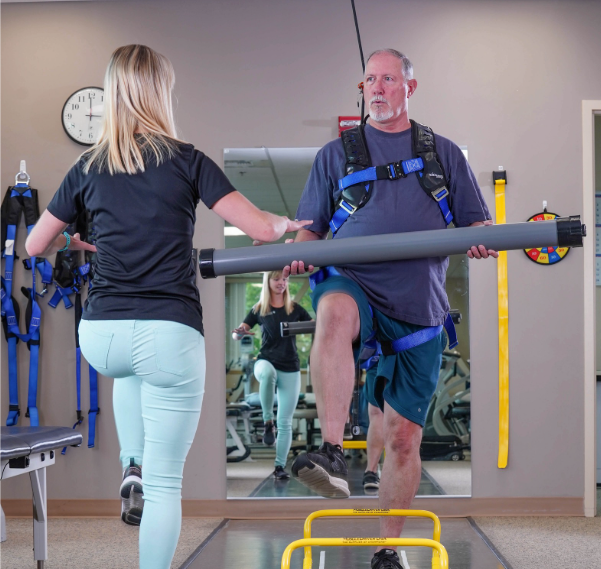
Difficulty swallowing can affect nutrition, hydration and overall health. Our speech language pathologists evaluate swallowing function and develop treatment plans designed to help patients eat and drink as safely and independently as possible.
Evaluation may include observation of swallowing, assessment with different food and liquid textures and, when appropriate, specialized swallowing studies.
Changes in communication and thinking are common after stroke, traumatic brain injury and other neurological conditions.
Speech therapy can help with:

Your speech language pathologist will assess the areas affecting your communication, cognition, voice or swallowing.

Together, we’ll develop goals based on the activities and abilities that matter most to you.

Therapy focuses on practical skills and strategies you can use in everyday life.
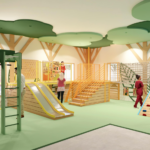
Kids don’t always love going to therapy. But at Sky Lakes, therapy can be play.
Occupational therapists help people of all ages with physical, sensory, or cognitive problems to promote patient independence.
How Phase 3 Cardiac and Pulmonary Rehabilitation Programs Improve Community Health

Evidence-based treatment
One-on-one, patient-centered care
Collaborative care
Comprehensive Rehabilitation
Convenient Outpatient Care
Focused on Everyday Function
Speech language pathologists evaluate and treat difficulties with speech, language, cognition, voice, fluency and swallowing.
Yes. Speech therapy can help with speaking, understanding language, memory, attention, problem-solving and swallowing after a stroke or brain injury.
Yes. Speech language pathologists evaluate and treat swallowing disorders, also called dysphagia, to help make eating and drinking safer and easier.
Your speech-language pathologist will talk with you about your concerns, assess the areas affecting you and develop a treatment plan based on your individual needs and goals.
The length of therapy varies depending on your condition, goals and progress. Your therapist will regularly evaluate your progress and adjust your treatment plan as needed.
Pediatric speech therapy helps children improve communication, speech sounds, language development, social communication, feeding, and swallowing skills.
Dysphagia therapy helps patients who have difficulty swallowing due to neurological conditions, injury, surgery, or illness. Speech-language pathologists evaluate and treat swallowing disorders to improve safety and nutrition.
Sky Lakes Rehabilitation Services provides outpatient rehabilitation care at 710 Klamath Avenue Klamath Falls, Oregon, with convenient access to therapy services for adults and children throughout the region.
Patients can request an appointment by contacting Sky Lakes Rehabilitation Services directly or by speaking with their primary care provider or specialist about a referral.
Sky Lakes Rehabilitation Services welcomes all insurance.