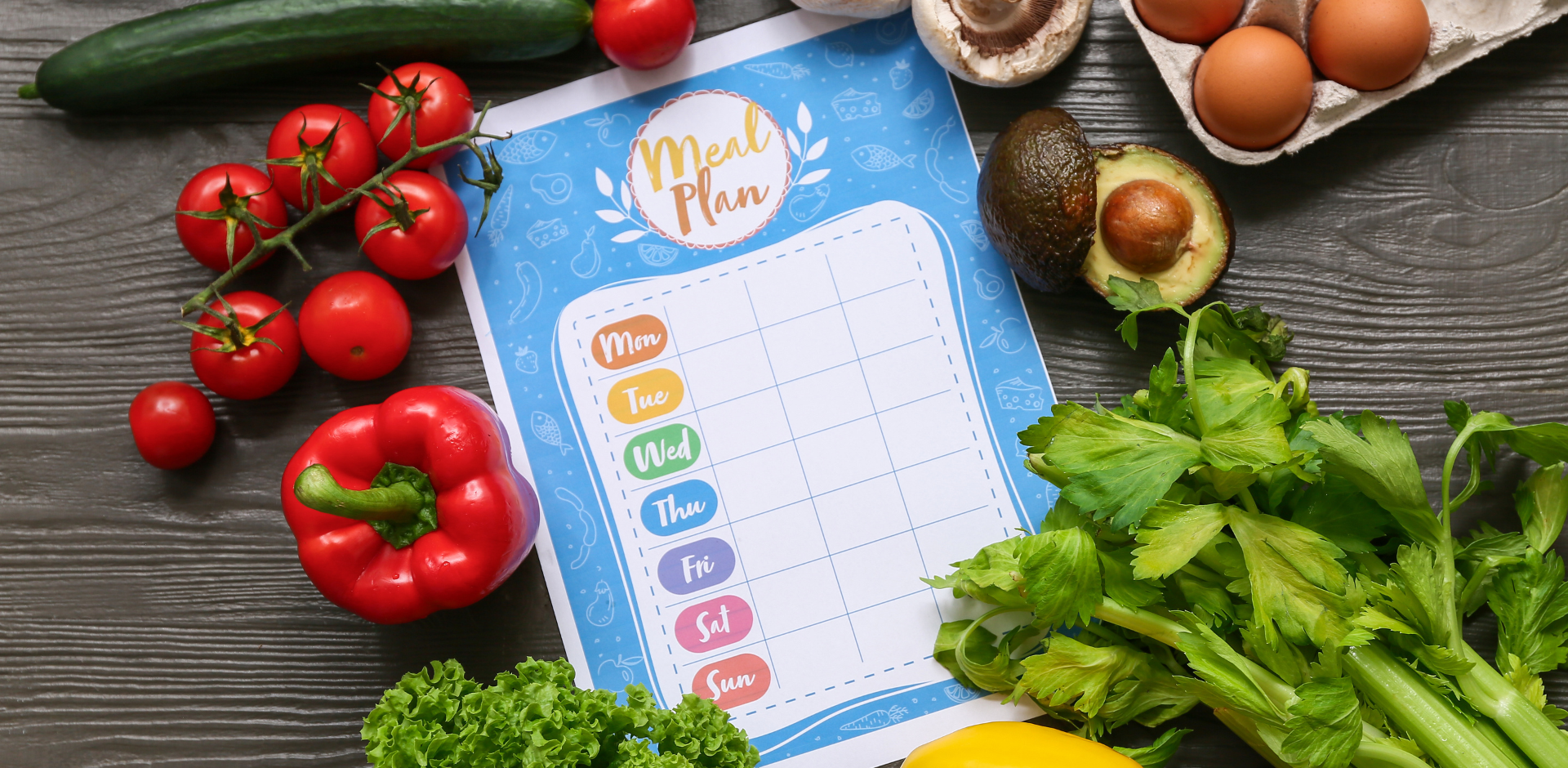
Life is busy. Between work, school, sports, and everything else, figuring out what’s for dinner can feel dreadful. Jennifer Newton, a nutrition coordinator at Sky Lakes Wellness Center, asks “How many times have you come home at night and you thought, I have no idea what we’re going to have for dinner tonight, and it just feels overwhelming?” Meal planning takes that guesswork away before the busy week even starts.
You don’t need to plan every meal for every day. Newton suggests starting by figuring out what you actually need. Do you just need dinner covered? Start there. Then check your family’s schedule for the week.
“Are there days that only one person is going to be home? There are some late meetings, so we need to figure out something that’s going to be faster to prepare on those particular nights,” Newton says.
Before you head to the store, look at what you already have. If there’s broccoli in the fridge or chicken in the freezer, build a meal around that first. Then check your grocery store’s weekly sales app or flyer to stretch your dollars further.
One of Newton’s favorite tricks is themed nights, for example, Taco Tuesday or Meatless Monday. “If I have a theme on Wednesday, we’re going to always have something Italian, I can limit my search to something in that category,” she explains. “That can make it feel easier.”
Smart Shortcuts That Still Taste Good
Eating healthy food doesn’t mean spending hours in the kitchen. Newton points out a handful of time savers:
Slow cookers and Instant Pots: Throw everything in before you leave for work, and dinner is ready when you walk in the door.
Air fryers: They speed up cooking and use less oil than frying.
Pre-chopped or frozen vegetables: Frozen chopped onions, stir-fry blends, and pre-cut veggies save time. “Vegetable chopping seems to be a barrier,” Newton notes, “so removing that step helps.”
Batch cooking: If chicken or something else you like is on sale, cook extra on the weekend and use it in different meals all week.
Flexible “mix and match” recipes: Newton loves the free templates at Food Hero, an Oregon State University resource. They offer mix-and-match grain bowls, stir fries, skillet meals, and more. “It provides a skeleton,” she says. “It’s up to you to figure out what to use.”
Get the Kids Involved
Meal planning is a great way to get children involved with food. Newton suggests letting kids pick one meal or one fruit or vegetable for the week at the grocery store. As they get older, they can help with stirring, chopping (with age-appropriate tools), and eventually planning and cooking a meal on their own. This also helps them establish healthy habits.
One Plate Fits Most
If your family members have different health needs such as diabetes, high blood pressure, or heart disease, don’t panic. Newton says most of these conditions can be managed with the same basic approach: Fill half your plate with non-starchy vegetables, a quarter with a lean protein, and a quarter with a whole grain. Small adjustments (like swapping regular pasta for a gluten-free version) can make a shared meal work for just about everyone.
Newton stresses that the goal isn’t perfection. It’s just putting a little thought into dinner before the chaos of the week begins, and maybe even having some fun doing it.
 [gtranslate]