There’s a lot of talk these days about GLP-1s (such as Ozempic, Wegovy, and Zepbound) being a “miracle” weight loss drug. But let’s put it in perspective. Before you consider taking GLP-1 medications, consider the fact that weight isn’t the only measure of health.
It’s easy to get caught up in the number on the scale. But as Dr. Stewart Decker, a family medicine physician at Sky Lakes, explains, weight alone isn’t the best indicator of health. “Weight is an inaccurate measure of health… it’s just not the most important medical marker for overall well-being,” he says. “It’s a surrogate measure that we use all the time because it’s easy to get.”
The Bigger Picture of Health
Long-term wellness depends far more on your daily habits than your weight. The six key topics include:
Nutrition: A diet rich in vegetables, fruits, whole grains, and fiber
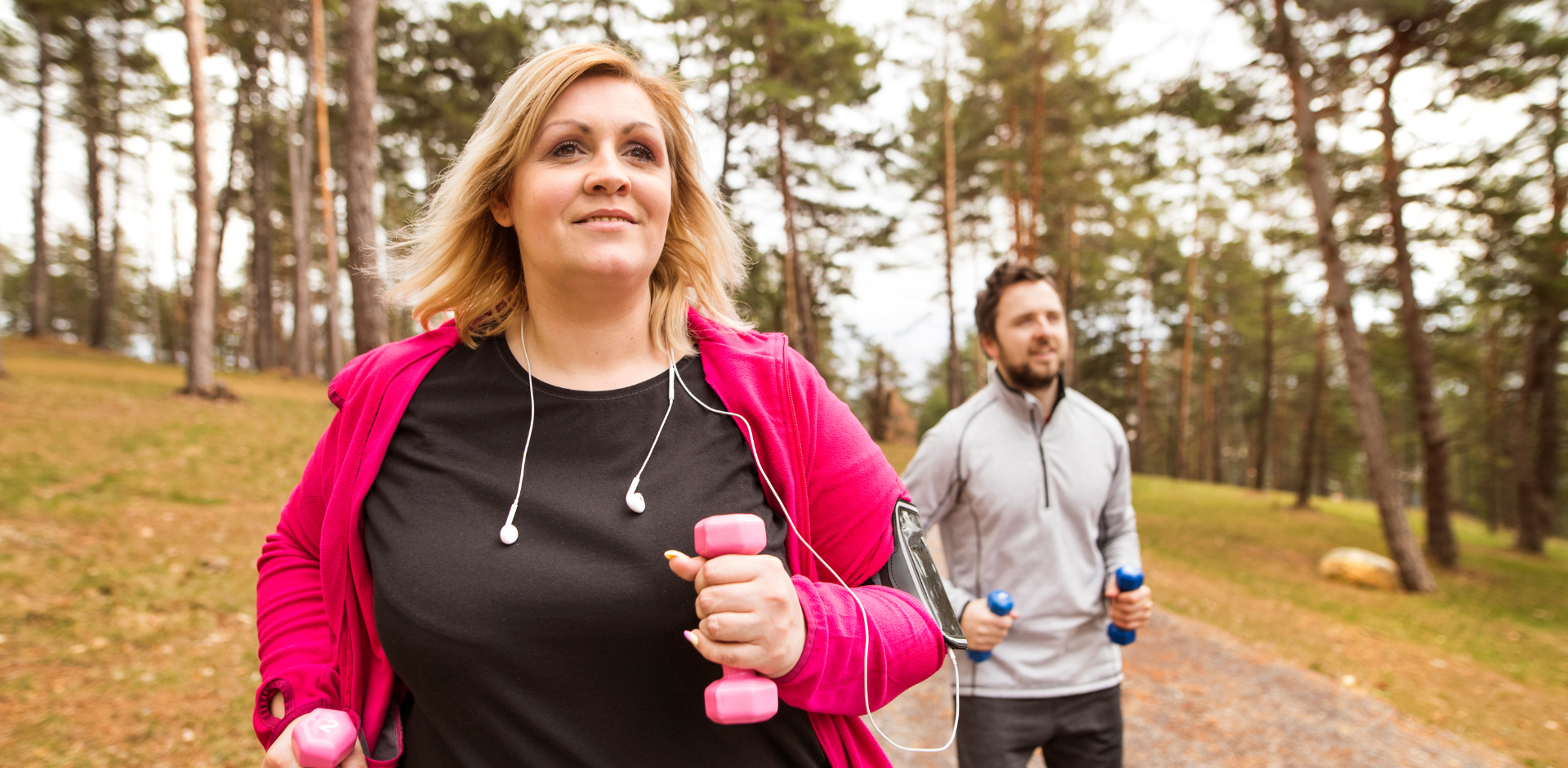
Movement: Daily physical activity that makes you slightly short of breath
Rest: Seven to eight hours of quality sleep each night
Avoiding harmful substances: For example, tobacco, excessive alcohol, other harmful habits
Stress Management: Limiting chronic stress and having healthy coping strategies
Community: Supportive relationships that help you thrive
These lifestyle factors lower your risk for heart attack, stroke, diabetes, and dementia, regardless of your body size. “If you want to be able to walk around the block when you’re 90, you better start walking around the block now,” Dr. Decker says.
When GLP-1s Enter the Conversation
GLP-1 medications can be powerful tools for people who need additional help, especially if they have type 2 diabetes or obesity-related health risks. “They are very effective medications… I honestly don’t have many patients who don’t achieve significant weight loss with them,” says Dr. Decker.
However, he emphasizes that GLP-1s aren’t a substitute for healthy living. They mostly guarantee improved blood sugar control and some degree of weight loss (15–20%). But better diet, fitness, and stress management are still up to you. For many people, lifestyle changes should come first, with medication only added when:
Blood sugar remains high despite lifestyle improvements
Even if you’re taking GLP-1s, the basics matter. “Regardless of what happens with your weight, we need to make sure we tune up those six topics within lifestyle medicine,” Dr. Decker says. This not only supports weight loss but also ensures you’re improving your health in ways the scale can’t measure. Then, if you still want to lose weight, he says, “GLP-1s are a great tool.”
GLP-1s Don’t Replace a Healthy Lifestyle
Weight loss alone doesn’t guarantee better health. Focusing on nutrition, exercise, sleep, healthy habits, stress, and community creates a foundation for lifelong wellness. GLP-1 medications can help in certain situations, but they work best when added to — not replacing — a healthy lifestyle.
Benefits, Limits, and Setting Realistic Expectations
You’ve probably heard about GLP-1 medications like Ozempic, Wegovy, and Zepbound in the news. These drugs are getting attention for their ability to help people lose weight, but they aren’t magic! Here’s what you should know before you start.
What Are GLP-1s?
GLP-1 stands for glucagon-like peptide-1. It’s a hormone your body naturally makes. GLP-1 medications help control blood sugar and make you feel full longer after eating. Originally developed for type 2 diabetes, doctors found that these drugs also help with weight loss. The FDA (Food and Drug Administration) has approved three GLP-1s specifically for weight loss: Saxenda (liraglutide), Wegovy (semaglutide), and Zepbound (tirzepatide). You take most of these as a weekly injection under your skin.
Why They’re Effective
GLP-1s work by reducing your appetite and slowing digestion so you take in fewer calories (energy). “GLP-1 medications are very good at blood sugar control, so they’re exceptional for people with diabetes — and they’re also very good at causing weight loss,” says Dr. Steward Decker, a family medicine physician at Sky Lakes.
The 16–22% Weight Loss Ceiling
In clinical trials, these medications show impressive results. Semaglutide can lead to 16% average weight loss and tirzepatide may be even more effective. “If your goal weight is more than that reduction, you might not get there on the medication alone,” Dr. Decker explains.
Also, real-world results are often lower than what studies show. Many people stop taking the medications early or use lower doses, which reduces their effectiveness. Weight regain is common after you stop taking GLP-1 medications. That means you might need to take them long-term to maintain your weight loss.
Weight Doesn’t Always Correlate to Good Health
Making healthy lifestyle changes while taking these medications can help you achieve better, more lasting results. They’re not magic pills; they work best when combined with diet and exercise changes. Long-term well-being depends more on a healthy diet, regular physical activity, quality sleep, avoiding harmful substances, stress management, and social connection. “Regardless of what happens with your weight, we need to make sure those things are in place,” Dr. Decker adds.
Talk to Your Doctor
GLP-1s can be powerful tools for weight loss and blood sugar control, but they work best alongside lifestyle changes. Talk to your doctor about realistic goals, long-term use, and whether they’re right for you.
Side Effects and How to Stay Healthy
Like all medications, GLP-1s such as Ozempic, Wegovy, and Zepbound can have side effects. Some are mild, some are serious. Knowing what to expect can help you stay healthier while on treatment.
Three Levels of Side Effects
Dr. Stewart Decker, a family medicine physician at Sky Lakes, groups side effects into three categories:
Uncomfortable Symptoms – These are the most common. Nausea, vomiting, constipation, or diarrhea affect up to half of users. Starting at a low dose helps. These symptoms often improve over time as your body gets used to the medication.
Developing Risks – Problems that appear gradually, such as muscle loss (including heart muscle) if you’re not getting enough protein or exercise.
Serious Risks – Rare but important to know before starting. GLP-1s aren’t recommended for people with a history of pancreatitis, gastroparesis, or certain rare thyroid cancers.
Protein and Exercise Are Crucial
“(You) must eat about 90 grams of protein per day and exercise at least half an hour a day,” Dr. Decker warns. Exercise and protein build muscle, whereas muscle loss can put you at greater risk for congestive heart failure or heart disease in the future. Plant-based proteins such as spinach, beans, and legumes are excellent choices.
Avoiding Gallbladder Trouble and Sagging Skin
Rapid weight loss (over 2 pounds per week) raises the risk of gallbladder disease since it can be overwhelmed by fat. Dr. Decker advises slowing the pace to reduce strain on the gallbladder and help prevent gallstones and inflammation. Losing weight too fast can also outpace your skin’s elasticity.
High-Fiber Helps
A diet rich in fiber from fruits, vegetables, and whole grains not only supports overall health but can ease stomach discomfort while on GLP-1s.
When to Call Your Doctor
Seek medical advice if you experience:
Severe abdominal pain (possible pancreatitis or gallbladder disease)
Persistent vomiting or inability to keep fluids down
Symptoms of slowed digestion that don’t improve
Take the Proper Steps to Stay Healthy
GLP-1 medications can be highly effective for weight loss, but side effect management is important. By pacing weight loss, eating enough protein, exercising daily, and getting plenty of fiber, you can improve your weight loss results and protect your health.
Need a Lifestyle Change?
The Sky Lakes Wellness Center’s Lifestyle Change Program incorporates evidence-based practices from those who have succeeded with long-term weight loss. Our four month program will guide you step by step, helping you shed pounds while reversing chronic diseases like type 2 diabetes, high cholesterol, and high blood pressure.
 [gtranslate]