[gtranslate]



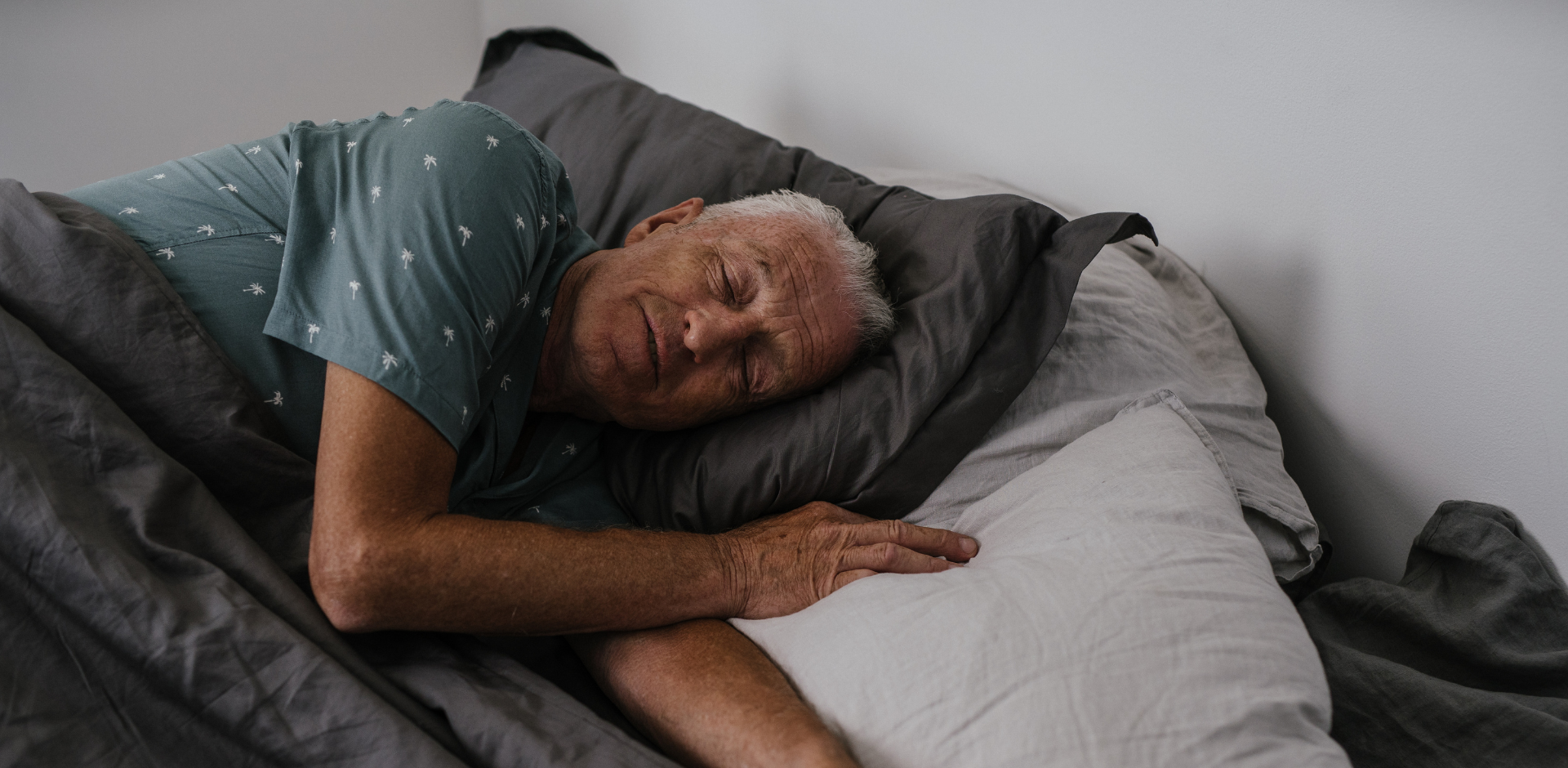
Sleep, or lack of, directly affects your health. Daily habits, aging, and health conditions can effect the quality of your sleep. Here’s how you can navigate your sleep habits:
Your Body’s Nightly Repair Shop
Sleep isn’t downtime; it’s when your body does its most important work. “Sleep comes in two varieties. There is your shallow REM sleep and then your deep sleep,” explains Dr. Stewart Decker, clinical wellness officer & medical director at Sky Lakes Wellness Center.
Think of REM sleep as your brain’s filing system. “This is your memory processing type of sleep. Your brain is deciding which things to commit to long-term memory, and which things can get left behind.”
Deep sleep is when the real repairing happens. “This is when your body cleans out all the lactic acid. It repairs all the muscles. It gets more oxygen, gets its store of glucose and glycogen all set up once again,” Decker explains.
Most people need about four hours of each type of sleep. That’s why eight hours is the gold standard.
The Cost of Sleep Debt
Sleep debt adds up fast. “If you’re supposed to get 8 hours of sleep a night and you only get 7 hours, that means that by the end of a week, you’ve lost an entire night’s worth of sleep,” says Decker.
He notes that lack of sleep causes “sluggishness, decreased attention and sociability, depressed mood, decreased caloric output during the day, increased hunger and decreased feeling of fullness, and blood sugar problems.”
And according to the National Heart, Lung, and Blood Institute, good sleep helps your immune system fight off infections, supports healthy growth and development, and may help prevent chronic conditions such as heart disease.
The Teen Sleep Challenge
Parents, take note: Teenagers aren’t being difficult when they can’t fall asleep at 10 p.m. “Teens’ circadian rhythm is shifted. Most adults start getting sleepy when it starts getting dark outside. Teens start getting sleepy about two hours after it gets dark outside.”
Decker wishes schools understood this better. “If we were clever, we would have had high school start at 10 a.m. instead of 8 a.m.”
Open Your Sleep Window
The biggest sleep saboteur isn’t insomnia or sleep apnea. “Sometimes people just don’t give themselves a big enough sleep window,” Decker observes.
The solution is simple. “You need to decide when you need to wake up, and go to bed 8 1/2 hours before that time.” That extra 30 minutes accounts for the time it takes to fall asleep. If you need to wake up at 6 a.m., you need to be in bed by 9:30 p.m. “If you are not doing that, then that is job number one.”
Ditch the Screens
Your phone and laptop are working against you. Artificial lights and screens inhibit your body’s natural production of melatonin, the hormone that makes you sleepy. “Even though it’s 8 p.m., your body should start making melatonin because the sun went down. If you have lights on in your house, if you have your screen on, [your body] will not [make] melatonin.”
Keep Calm, Accessorize and Exercise
Decker’s favorite low-cost intervention? “I love telling people to wear eye masks and earplugs. It’s a $5 intervention that improves people’s sleep half the time, if not more.”
Trouble falling asleep? Try guided meditation. “You can search for a guided sleep meditation on YouTube and it’s free,” he suggests. Just set it to not continuously play.
Exercise during the day also helps, but timing matters. “People sleep better if they exercise during the day, but not an hour before you’re supposed to go to bed.”
Make Sleep Your #1 Priority
“Getting sufficient sleep is one of the most important things you can do for your overall well-being,” says Decker. “Sufficient sleep is part of the treatment regimen for depression, anxiety, diabetes, high blood pressure, and stroke and heart attack risk.”
That’s right; eight hours aren’t negotiable — they’re essential. Make sleep a priority and watch your health improve.
How Aging Effects Our Sleep
As you get older, going to bed earlier, waking up more often, or feeling less refreshed after a full night’s sleep is very common. Sleep changes as you age, but it’s a myth that you need less of it.
You Still Need 7 to 9 Hours
“People who are older don’t need less sleep. They just get less sleep,” explains Decker. Adults over 65 still need about seven to nine hours each night, just like younger adults. The difference is that getting those hours becomes harder.
Decker explains that your internal clock shifts earlier as you age. The same circadian rhythm that made teenagers stay up late now makes you feel tired earlier in the evening and wake up earlier in the morning. This is a natural change that happens to everyone and is not a sign that something is wrong.
Your Sleep Gets Lighter
One of the biggest changes is that you spend less time in deep, restorative sleep. “Everybody who gets older ends up with lighter sleep,” says Decker. This means the dog barking, the house creaking, or your partner rolling over can wake you up when it wouldn’t have before.
To combat this, Decker recommends making your bedroom darker and quieter. “I really encourage eye masks and earplugs. I really encourage blackout curtains.” If you share your bed with pets, it might be time to keep them out of the bedroom.
Common Sleep Disrupters
Decker says several things you “collect” as you get older can wake you up at night:
- Needing to pee. This affects many older adults, especially men with prostate changes. You can reduce the need to urinate at night by cutting out caffeine after noon, stopping drinking liquids two to three hours before bed, and using the bathroom right before you turn in. If you’re waking up multiple times to pee, talk to your doctor about medications that can help.
- Pain. Arthritis, old injuries, and general aches can jolt you awake when you roll over. “We can start treating that,” Decker notes. “Sometimes it’s as simple as taking a Tylenol or ibuprofen before bed.” Other times, you might need treatments like injections or joint replacement.
- Stress. Financial worries, relationship issues, and health concerns can keep your mind racing. Exercise earlier in the day helps you fall asleep better and reduces stress. And “if you can change your situation, please change it,” advises Decker. “I love de-prescribing responsibilities.” So don’t feel guilty about quitting that committee or board, or reducing volunteering hours.
When to See a Doctor
Don’t dismiss snoring as just normal aging. “If you snore, if you wake up feeling tired, and if you don’t feel like you’re getting good sleep, you should probably get tested for sleep apnea,” says Decker. About 20 to 25% of men and 15 to 20% of women have obstructive sleep apnea, which becomes more common with age.
Women going through menopause shouldn’t write off sleep problems as something they just have to endure. Hot flashes, insomnia, anxiety, and joint aches can all affect sleep, and newer hormone treatments with fewer risks can help.
You Deserve Good Sleep
While some sleep changes are normal, you shouldn’t accept poor sleep as an inevitable part of aging. Simple changes to your bedroom environment, daily habits, and evening routine can make a real difference. And if those don’t help, your doctor has many tools to improve your sleep, from treating underlying conditions to addressing sleep disorders.
Can’t Sleep? Understanding and Treating Insomnia
Staring at the ceiling at 2 a.m. is a familiar experience for people dealing with insomnia. Understanding the type of sleeplessness you have is the first step toward finding a solution.
Two Types of Insomnia
Decker explains there are two main types of insomnia:
- Primary: When the brain simply won’t shut off, with no identifiable underlying cause.
- Secondary: When another issue is keeping you awake, such as anxiety, depression, pain, or medications.
The key difference lies in treatment. Primary insomnia can be managed with specific sleeping medications, while secondary insomnia requires addressing the underlying cause, for example, treating the anxiety or pain.
The Common Culprits
Secondary insomnia often has fixable causes. Decker says the most frequent sleep disruptors include:
- Bed Partners: Restless human partners or pets that cause noise or movement.
- Racing Thoughts: The “brain racing” phenomenon where you can’t stop dwelling on the day’s events or anxieties.
- Pain: Chronic pain that prevents you from falling asleep or wakes you up with movement.
- Bathroom Trips: Frequent nighttime urination, which affects up to 40% of adults.
- Nightmares: Fear of going to sleep due to recurring nightmares.
Practical Solutions That Work
Sometimes, the simplest interventions are the most effective. Decker suggests:
- Eye Masks and Earplugs: A low-cost intervention that significantly improves sleep for many by blocking out noise and light.
- Creative Bedding: For restless partners, consider using two separate comforters on a queen bed so one person’s movement doesn’t tug the other’s sheets. Separate mattresses or beds are also options.
- Managing Nighttime Urination: Stop drinking caffeine after noon (caffeine is a bladder stimulant with a 20-hour active period in the body), stop drinking all liquids after 6 p.m., and make sure you pee right before going to sleep.
Calming the Racing Mind
When anxiety and racing thoughts prevent sleep, Decker recommends two techniques:
- Progressive Muscle Relaxation (PMR): Flex a muscle group (starting with the scalp) for 10 seconds, then completely relax it for 10 seconds. Work your way down the entire body. This meditative practice focuses the mind away from anxious thoughts and releases lactic acid, which can physiologically change your fight-or-flight response.
- Paced Breathing: Try breathing in for four seconds and exhaling for eight seconds. This very specific practice of breathing out twice as long as breathing in is effective for anxiety-driven insomnia. It’s best to practice these techniques daily, even when you don’t need them, so they are familiar when sleeplessness hits.
When to Consider Medication
For primary insomnia, Decker often recommends trazodone, noting it is non-habit forming and generally well tolerated.
Melatonin can be helpful, particularly for shift workers or those with disrupted circadian rhythms. For best potency, skip the gummies and pills; use tinctures or drops instead, as oral medications are often digested by the liver first, reducing the effective dose.
Avoid daily Benadryl for long-term use, as it can have negative side effects, including urinary retention and an increased risk for long-term memory changes.
Exercise for Better Sleep
Regular daytime exercise helps the body prepare for restorative deep sleep. However, be mindful of timing; avoid vigorous activity within an hour of bedtime.
Finding Your Solution
The most critical step is identifying your specific sleep challenge. Decker encourages keeping a sleep diary for a week to record:
- When you go to bed.
- What keeps you awake.
- When you wake up.
- How you feel the next day.
This pattern-tracking helps you and your doctor pinpoint the problem. Remember, treating secondary insomnia means addressing the root cause — whether that is anxiety, pain, or environmental disruption.
Good sleep is essential for mental and physical health. Don’t accept chronic sleeplessness as normal. By identifying what’s disrupting your rest and taking specific action, you can achieve the restorative sleep you need.