You wake up exhausted despite sleeping the recommended eight hours. Your partner complains about your snoring. You doze off during afternoon meetings. These could be signs of sleep apnea, a serious condition that’s damaging your health.
“Obstructive sleep apnea is a crazy important condition where while you are sleeping, you stop breathing for half a second, a tenth of a second, a millisecond,” explains Dr. Stewart Decker, clinical wellness officer & medical director at the Sky Lakes Wellness Center.
“It’s not long enough for your brain to register that you’re awake, but it’s long enough to disrupt your sleep. And it’s long enough to increase the pressure in your chest, your heart pressure, and your lung pressure.”
The Warning Signs
“Obstructive sleep apnea is one of the most important conditions to diagnose. It’s also difficult to diagnose because it only happens while you’re sleeping, which means you won’t notice it yourself,” Decker notes.
Sleep apnea is more common in people with extra weight or a neck circumference over 16 inches, but don’t be fooled. “I have met some people who are skinny little bean poles who have it because of crummy genetics or bad luck.”
Watch for these key symptoms: snoring, waking up feeling tired despite adequate sleep, waking up with headaches, or if anyone has told you that you stop breathing while sleeping. Decker’s rule of thumb is “If you have any two of those things, you should probably get tested for sleep apnea.”
The Health Domino Effect
Sleep apnea doesn’t just make you tired — it affects nearly every system in your body. “If someone has undiagnosed sleep apnea, their blood pressure, cholesterol, blood sugar, fatigue, stroke risk, and heart attack risk will be worse,” Decker says.
The reason? When you stop breathing, your body releases stress hormones like cortisol. “When you wake up all night long, you release a bunch of cortisol. And cortisol is a ‘wake up, get ready’ growth hormone,” Decker explains.
This creates a vicious cycle. “Having obstructive sleep apnea makes it hard to lose weight, which is why treating obstructive sleep apnea can make it easier to lose weight.”
Getting Diagnosed and Treatment
Testing for sleep apnea has become much easier. “You diagnose sleep apnea with a sleep study. These are sometimes done in sleep labs, but they can also be done in your own home if your primary care doctor orders you a home sleep study,” Decker explains.
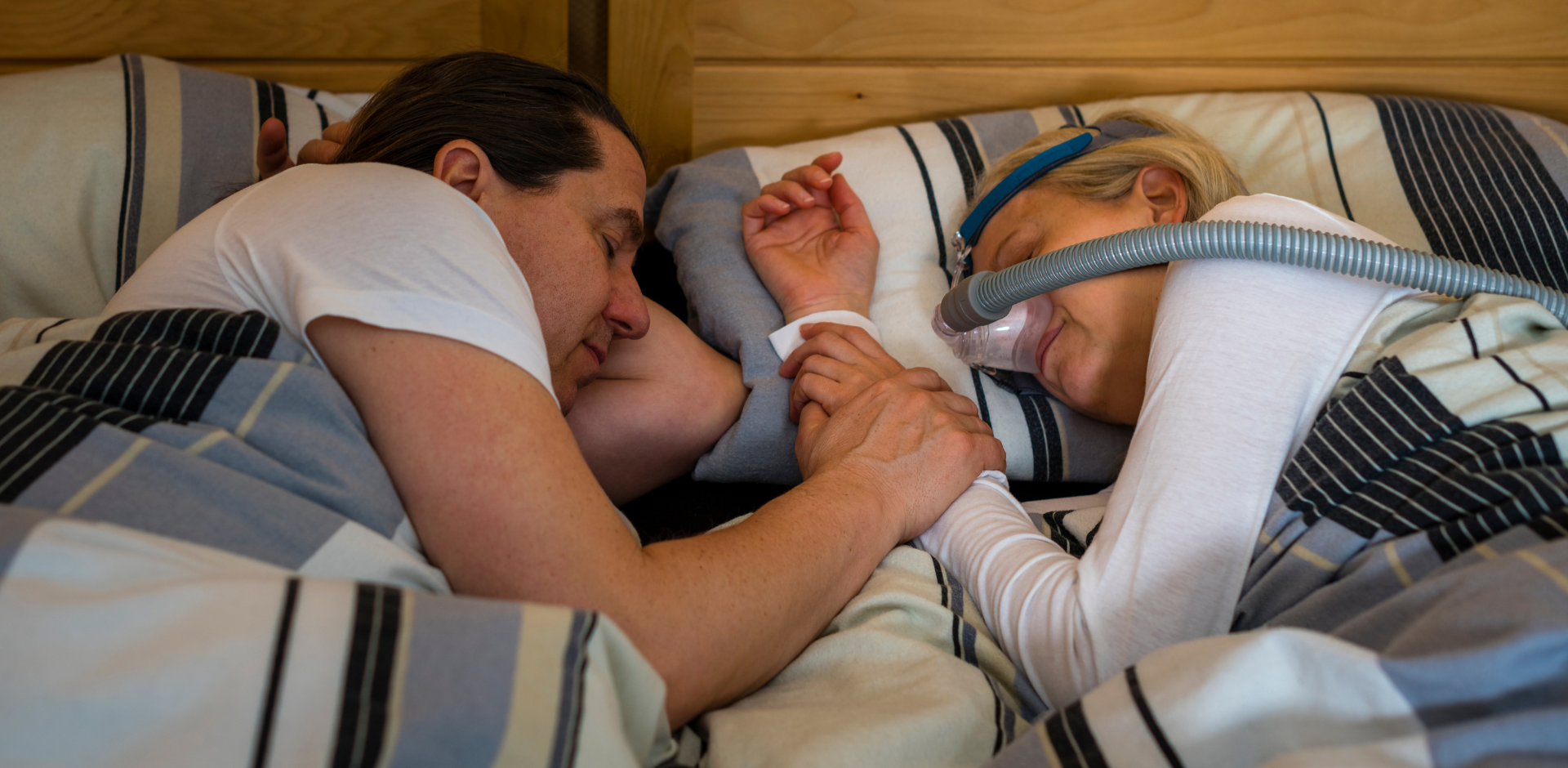
The CPAP (Continuous Positive Airway Pressure) machine is the gold standard treatment. “CPAP machines can take some time to get used to, but most people get used to them eventually,” Decker notes. “Every single person I’ve diagnosed with sleep apnea says that a CPAP would drive them nuts. And every person who gets used to it after a month cannot live without it.”
For people whose sleep apnea is weight-related, Decker says even 10% weight loss can improve symptoms and potentially be curative.
Why Treatment Matters
Decker describes sleep apnea’s impact as living with chronic sleep deprivation. “A lot of people with bad sleep apnea are ‘asleep’ for eight hours, but they’re only getting two hours of reasonable sleep.”
But treatment is life-changing. “Many patients who have started treatment for sleep apnea come back and tell me that they ‘feel like themselves again,’ or feel like ‘a brand-new man or woman.’”
Take Action
If you have any signs of sleep apnea, don’t ignore them. Talk to your doctor about sleep testing. Your future self will thank you for the energy, health, and quality of life you’ll gain back.
 [gtranslate]