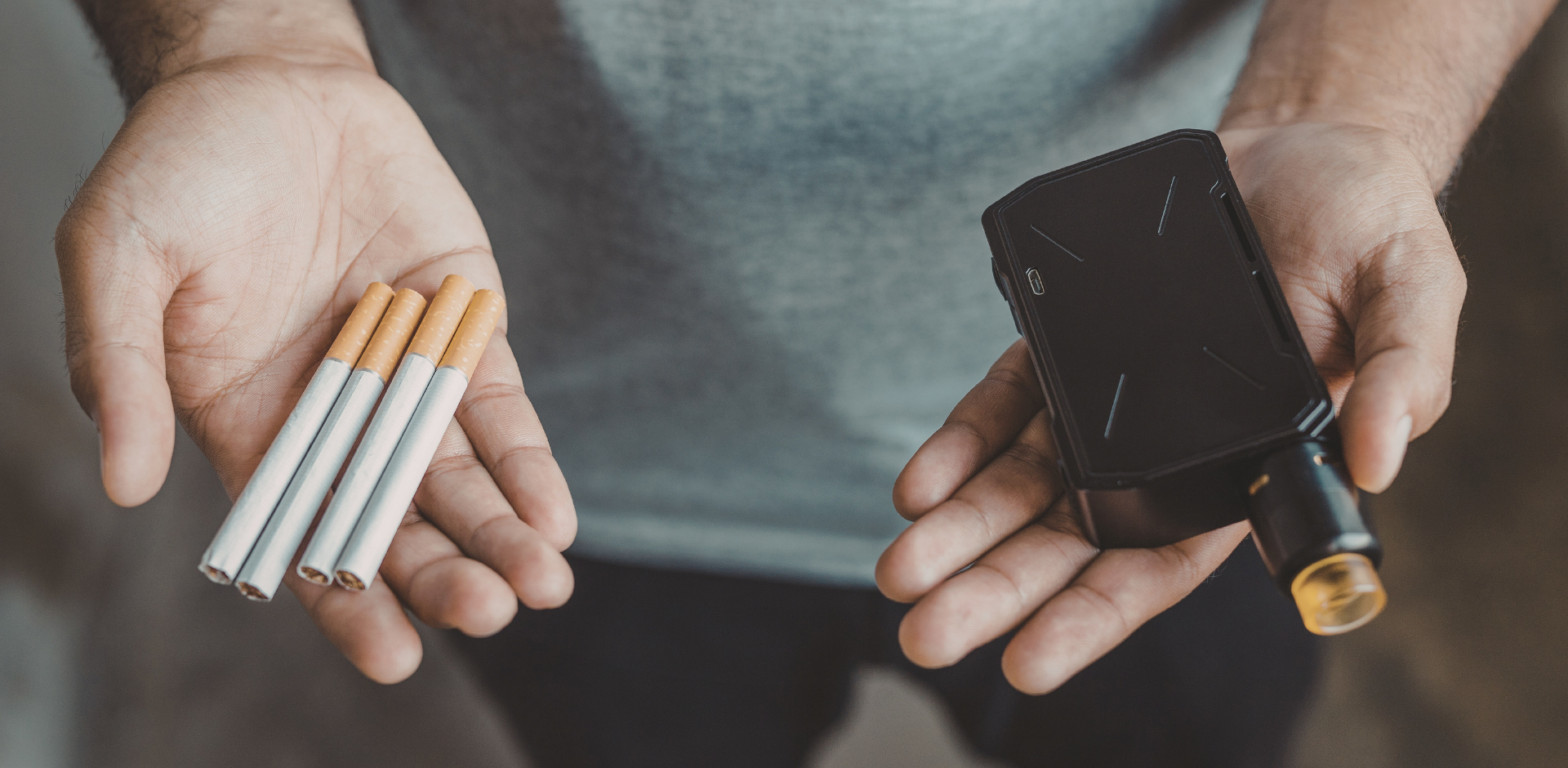
Many people believe vaping is a harmless alternative to smoking, but that’s not exactly true. Here’s what you should know about the real risks of e-cigarettes.
You’ve probably heard that vaping is better than smoking cigarettes. And while that’s technically true, “better” doesn’t mean “safe.” In fact, vaping comes with serious health risks that you might not be aware of.
Marketing to Kids
One of the most troubling aspects of vaping is how it targets young people. You can find Hello Kitty and Ninja Turtle vape pens with flavors like watermelon. “The companies that are producing these vape pens are essentially preying on young people,” says Dr. Stewart Decker, Clinical Wellness Officer & Medical Director at Sky Lakes Wellness Center. In Australia, 30% of secondary school students reported trying vaping at least once in 2022 and 2023.
Nicotine Is Still Nicotine
Many of the companies that make vapes also manufacture traditional tobacco products such as cigarettes and cigars. “It’s really the same company. It’s not necessarily helping you quit; it’s just changing the addiction from nicotine in one form to another,” says Decker.
Vaping was originally marketed as a way to help people quit smoking. But research shows that about two-thirds of people who quit smoking using vapes are still vaping a year later, Decker says.
What’s Really in Your Vape?
Think vaping is just harmless water vapor? Nope. “There are a lot of things that are in the vape oil,” Decker explains. “Vape oil contains propylene glycol, vegetable glycerin, heavy metals like nickel and lead, benzene, and formaldehyde.”
These chemicals can cause serious problems. Some people develop lipoid pneumonia, a condition where oil deposits build up in the lungs from inhaling burned vape oil.
Nicotine Is Harmful in Any Form
Whether it comes from a cigarette or a vape, Decker emphasizes that nicotine is addictive and harmful. It increases your risk of ulcers, high blood pressure, blood clots, heart attacks, and strokes. Nicotine also affects brain development in people under 25, changing how the brain processes enjoyment for the rest of their lives.
If you smoke, switching to vaping might lower your lung cancer risk. But Decker warns that “your risks of everything else are pretty similar, including heart attacks and strokes.”
If You Quit, Your Body Will Heal
Decker says there is good news, though: Your body starts recovering fast when you quit. Your heart rate drops within minutes, and after just 24 hours, your coughing and shortness of breath begin to decrease. Within one to two years, your risk of heart attack drops dramatically. After five years, your risk of mouth, throat, and voice box cancer is cut in half. And 10 years after quitting, your lung cancer risk is half of what it would be if you kept smoking.
Ready to Quit?
To help you quit, Decker advises to “make sure that you have something that you can do to keep occupied with your hands and your mouth.” This could include chewing gum, eating sunflower seeds, using toothpicks, trying nicotine pouches, and using medications like Wellbutrin or Chantix at the same time. You can also slowly decrease the nicotine content in your vape from 5% down to 0%. Most importantly, Decker says to keep taking breaks throughout your day, even without a cigarette or vape.
If you want to quit smoking or vaping, talk to your doctor. Quitting is hard, but it’s worth it.
 [gtranslate]