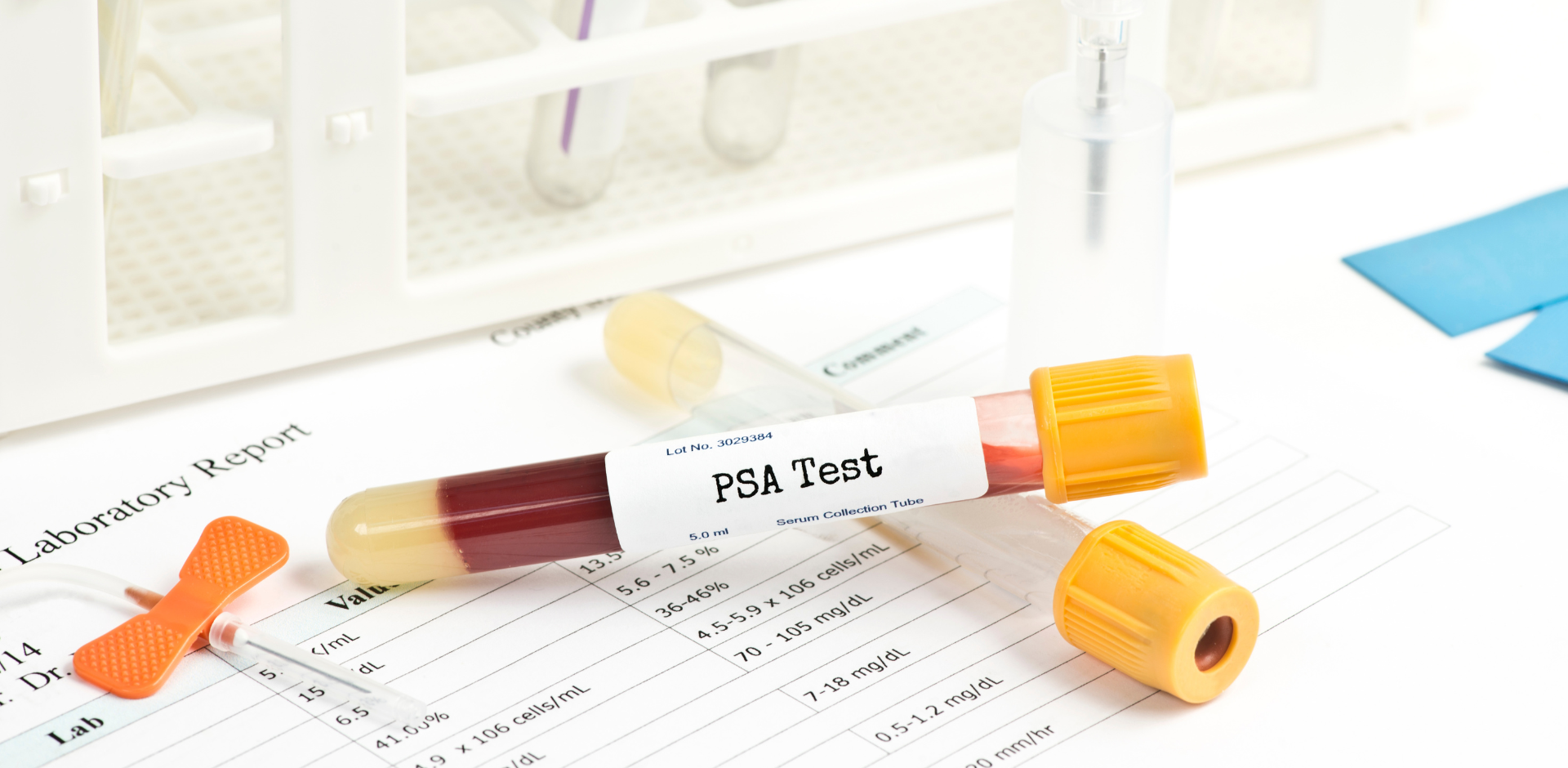
The prostate-specific antigen (PSA) test is a blood test first approved for use in the 1980s that measures the amount of PSA your body is producing. Prostate-specific antigen is a protein produced by cells of the prostate gland. A variety of conditions can cause PSA levels to rise in the blood. According to Justin Jannicelli, RN and Clinical Manager of Medical Oncology at the Sky Lakes Cancer Treatment Center, PSA isn’t necessarily a sign of cancer; it’s a sign that something abnormal is happening around the prostate. It could be cancer, but it could be something else.
Yearly PSA tests establish a baseline PSA level that your primary care provider can monitor over time to catch changes and detect cancer early. Early prostate cancer detection is about more than survival; it’s also about maintaining function and sexual health.
Early Detection is about more than surviving, it’s about living
Jannicelli says cancer conversations usually center life and death but not the things about living, “Sex is really important; continence is really important. Your treatment can reduce the impact on these functions if you catch it early.”
Catching prostate cancer early could mean less radiation, avoiding androgen deprivation therapy that shuts down testosterone (the male equivalent of male menopause), and spare healthy tissue.
There are two things Jannicelli wants patients to know about early detection:
“1. If you catch this early, there’s a 99% chance you’re going to survive it.
2. If you catch it late and it metastasizes (spreads), there’s a 1 in 3 chance you will survive it. That’s such a huge difference. You need to consider this when early detection is as easy as getting a blood test done. It’s not like you need to run to the nearest lab or go to the doc today. Do it at your next checkup. There are many reasons why you might go to the doc any time of year, just bring it up then.”
Detecting and treating prostate cancer is more advanced than many people think, and the difference between knowing and not knowing can make a difference in whether someone is afraid to talk about prostate cancer.
Starting the Conversation About Prostate Cancer
In 2023, Sky Lakes started running an annual “Keep Your Pants On!” Campaign to highlight that prostate cancer detection can start with a blood test. This campaign aimed to start conversations about prostate cancer screening and started out with posters in barbershops and bathrooms. “It was kind of a funny thing and people noticed” shared Jannicelli, who first suggested a prostate cancer awareness campaign with Sky Lakes marketing in 2023, he even recalls seeing a video on Instagram of one of the posters in a Sky Lakes men’s bathroom “It was like mock outrage towards Sky Lakes, but it was still a win because they posted it.”
Modern men’s health awareness campaigns like Movember and Novartis’s 2026 “Relax your Tight End” commercial aim to normalize conversations about mental health, age related changes, sexual health, and prostate cancer.
Talking with friends about aging and health might show you that you’re experiencing some of the same things and may help you understand what is or isn’t normal. Being able to talk with your friends about health can also help you be more comfortable talking to your provider about your health. Sometimes something we assume is normal can be an underlying health condition.
“At the Cancer Treatment Center, a lot of patients will say, ‘I thought that was normal’, but you need to find out if it is or not” says Jannicelli “It’s important to know why you’re experiencing these things and be comfortable asking questions about it.”
Historically, DREs have been a deterrent to prostate cancer screening. While it’s not a common exam anymore, many men expect it when they think about prostate cancer screening. Knowing that the first step to detecting prostate cancer is a blood test may encourage men who may not have otherwise sought screening to speak to their doctor about what’s right for them.
Showing your loved ones that you care about their health is the important part of prostate cancer screening, says Jannicelli, “We want people to say, hey I saw this, I love you, and I want you to be here longer.” Whether it’s at a barber shop or a dinner table, it’s worth it to tell the men in your life that you appreciate and care about them.
Brette Bliss
Author
September 18, 2026
Health Observation | Preventive Health | Public Health
 [gtranslate]