[gtranslate]



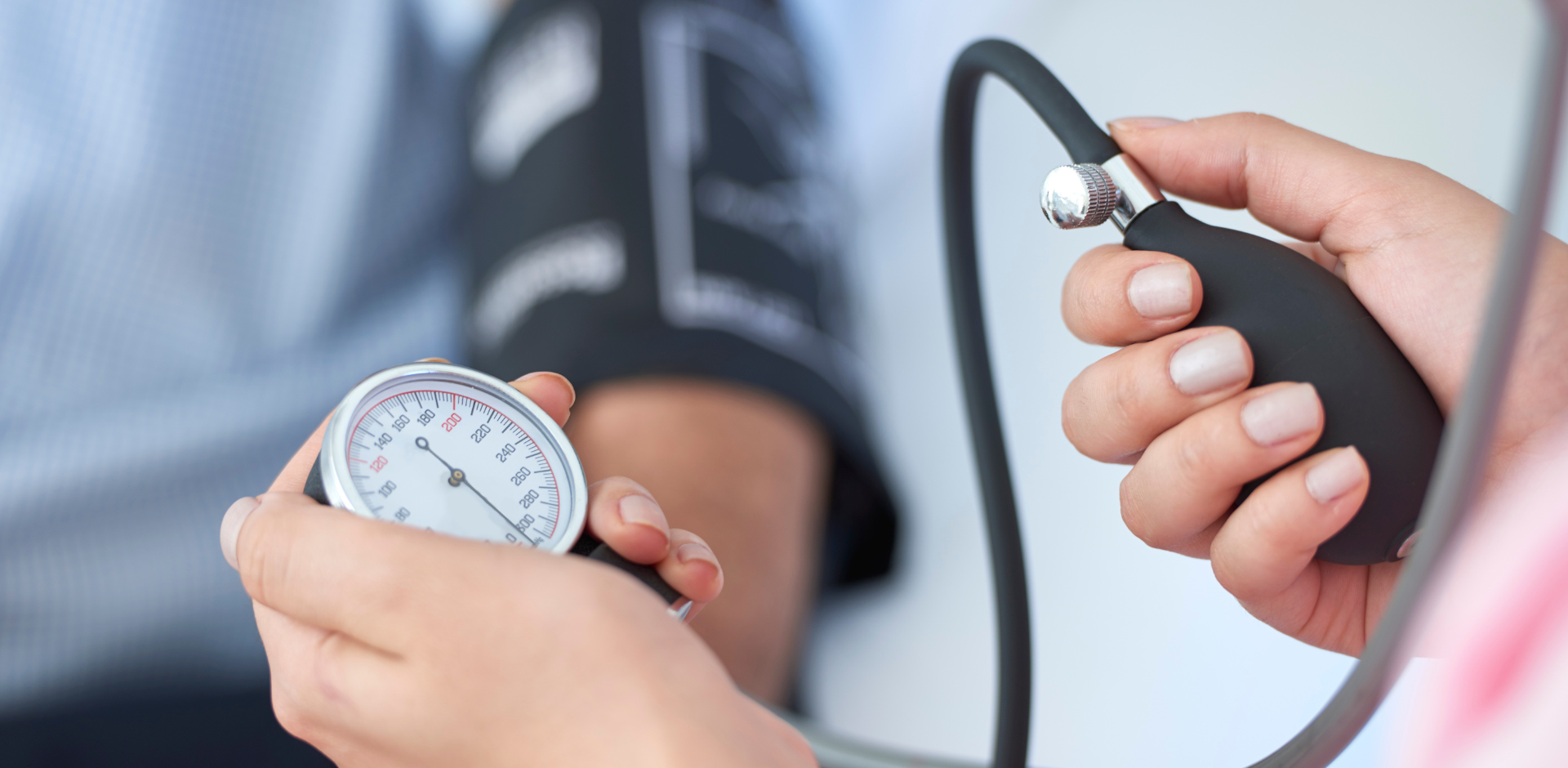
Half of American adults have high blood pressure (clinically known as hypertension), making it one of the most common health conditions in the country. Recent changes to medical guidelines mean even more people now need to pay attention to their numbers.
The New Numbers
“Until [2023], the cutoff for starting a medication was 140 over 90 for most people,” explains Dr. Stewart Decker, clinical wellness officer & medical director, Sky Lakes Wellness Center. “But now, they changed that to be 130 over 80.”
This change means your target just got stricter. Normal blood pressure is still 120 over 80, but now anything above 130 over 80 puts you in the treatment zone. “There are going to be so many more adults who are eligible for high blood pressure medication because of this,” Decker notes.
Don’t panic if either your top number (systolic) or bottom number (diastolic) is high — both matter equally. “When we talk about high blood pressure, it is either your systolic or diastolic,” Decker explains. “So if either one of them is high, it is worth doing something about it.”
Why Salt Matters
Why does everyone talk about cutting salt for blood pressure? Decker explains, “If you eat a bunch of salt, you get too much salt in your blood. And then … you need to dilute it. And the body’s best way of diluting it is to put more water in the blood.”
“If you put more water in that same size container [vein], there’s more blood pressure,” he explains. More volume in the same space equals higher pressure; it’s basic physics.
The Alcohol Connection
One of the biggest lifestyle changes you can make? Cut back on drinking. “If you have a blood pressure problem and drink alcohol, you can probably fix a huge part of your blood pressure problem by decreasing your alcohol,” Decker emphasizes.
The Sleep Connection
Your sleep affects your blood pressure more than you realize. Sleep apnea affects 15–30% of men and 10–15% of women, and most don’t know they have it.
“If someone has undiagnosed sleep apnea, their blood pressure will be worse, their cholesterol will be worse, their blood sugar will be worse,” Decker explains. “You can dramatically improve your blood pressure just by fixing your sleep apnea.”
The warning signs? Snoring, waking up tired despite getting enough sleep, morning headaches, or anyone telling you that you stop breathing while sleeping.
Why It Matters
“They say that you should try lifestyle changes for six months first,” Decker notes. “Try losing weight, eliminating alcohol, decreasing your caffeine, sleeping better, treating your obstructive sleep apnea.” This gives you time to make meaningful changes before adding medication to the mix.
High blood pressure might not cause symptoms, but it’s quietly damaging your body, which is why it’s called the “silent killer.” “We know that any number above 120 over 80 increases your risk of stroke and heart attack over the course of your life,” Decker explains.
If cutting back on alcohol, improving your sleep, and reducing salt don’t improve your BP, effective medications with minimal side effects are available.
Don’t Be Intimidated
“Because we have so many relatively benign blood pressure medications, where the biggest side effect is low blood pressure, which is what we’re trying to cause anyway,” Decker says, treating high blood pressure has become much safer and more effective.
Don’t let the new, stricter numbers intimidate you. Think of them as an early warning system — and an opportunity to take control of your health before serious problems develop.