[gtranslate]



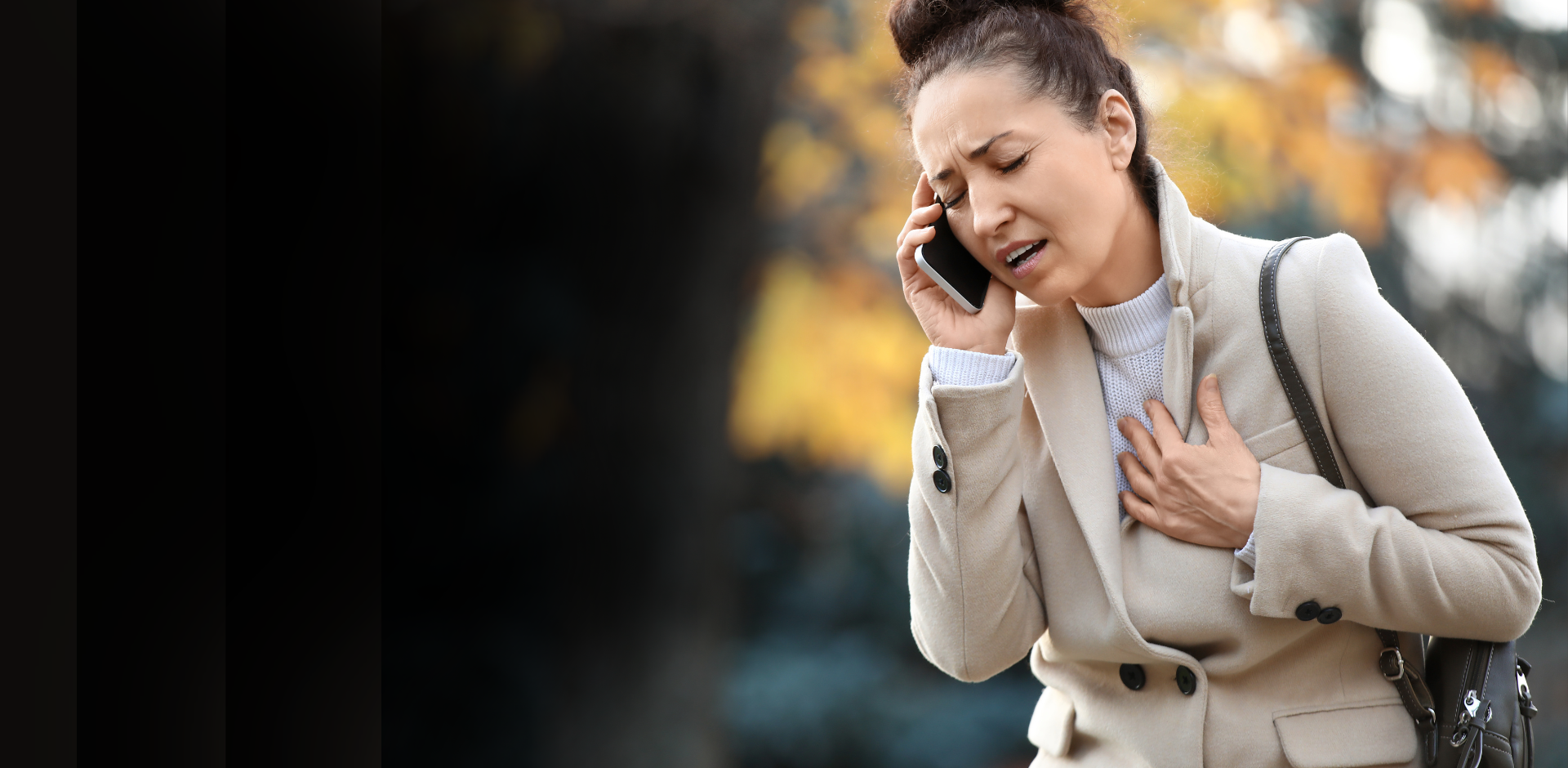
Heart attacks don’t always look like they do in the movies. While chest pain is the most common symptom for both men and women, many people experience other warning signs that are easy to miss or mistake for something less serious.
The Classic Symptoms
“The classic heart attack symptom is chest pain that may feel like pressure, tight pain, squeezing, or aching,” says Dr. Stewart Decker, Clinical Wellness Officer & Medical Director at Sky Lakes Wellness Center. You might also feel discomfort in your left shoulder or arm.
Pay attention to when these symptoms happen. “If someone comes in and says, ‘yeah, every time I exert myself, I get nausea and a little indigestion, it feels like heartburn,’ I am absolutely going to [examine] the heart,” Decker explains. This pattern — symptoms during exertion that improve with rest — is called angina, and it’s your heart’s way of warning you that something isn’t right.
How Women’s Symptoms Differ
Women are more likely than men to experience what doctors call “atypical” symptoms. According to the National Institute on Aging, women may have shortness of breath, tiredness, weakness, upset stomach, anxiety, and pain in the shoulder, back, or arm.
“Sometimes it’s like a feeling of doom or anxiety, where it’s more of a mental, emotional sense,” says Decker. Women might also experience unusual fatigue, sleep disturbances, or indigestion weeks before a heart attack.
The CDC notes that women are more likely to have these other symptoms, which can make heart attacks harder to recognize and diagnose.
Age Makes a Difference
In older adults, especially those with memory problems, heart attacks can be even trickier to spot. “Sudden confusion or delirium could potentially be the first sign,” Decker notes. Watch for unusual tiredness, changes in behavior, or increased anxiety in elderly loved ones.
Non–Chest Pain Symptoms That Require Attention
Don’t ignore these warning signs:
- Pain or discomfort spreading to your shoulder, arm, back, neck, jaw, teeth, or upper belly
- Cold sweats combined with other symptoms
- Sudden lightheadedness or dizziness with exertion
- Heartburn or indigestion that occurs with physical activity
- Shortness of breath, especially if it gets worse when you’re active
When To Go to the ER
“If you have chest discomfort, especially if it’s associated with exertion, you should go to the ER,” Decker advises.
Heart attacks are serious enough that it’s better to be safe than sorry. “If every time you’re ordering a test, you’re finding something odd, you’re not ordering enough tests,” he says. “The people in the ER will not be annoyed at you. They will be happy that you don’t have a heart attack.”
Don’t wait to see if symptoms go away. Call 9-1-1 at once if you think you might be having a heart attack. The sooner you get treatment, the better your chances of survival and recovery.
Trust your instincts. “If you have big life or limb fears, go to the ER; that’s what the ER is for,” says Decker.