[gtranslate]




When colleagues describe Dr. Grant W. Niskanen, a few words come up again and again: curious, steady, generous, empathetic, kind. Some talk about his encyclopedic knowledge of medical literature. Others recognize the programs he built or the calm he brought to the most difficult moments in patient care. All of these traits explain why his retirement marks the end of an era for Sky Lakes Medical Center and the Klamath Falls community.
This February, after 30 years of practicing medicine, including two decades at Sky Lakes, Dr. Niskanen will retire from his role as Chief Quality Officer, leaving a legacy that has transformed how the hospital delivers care and educates physicians.
From Childhood Illness to Olympic-Level Competition
Dr. Niskanen didn’t expect to become a physician.
Between ages 6 and 12, he had to undergo multiple inner ear surgeries to remove a malignant teratoma. The experience left him with such an aversion to hospitals that he once jumped out of a moving car when he realized his father was driving him to a medical appointment.
“I actually physically got sick when I went into a hospital when I was a teenager,” Dr. Niskanen says. “Medicine was one of the furthest things from my mind.”
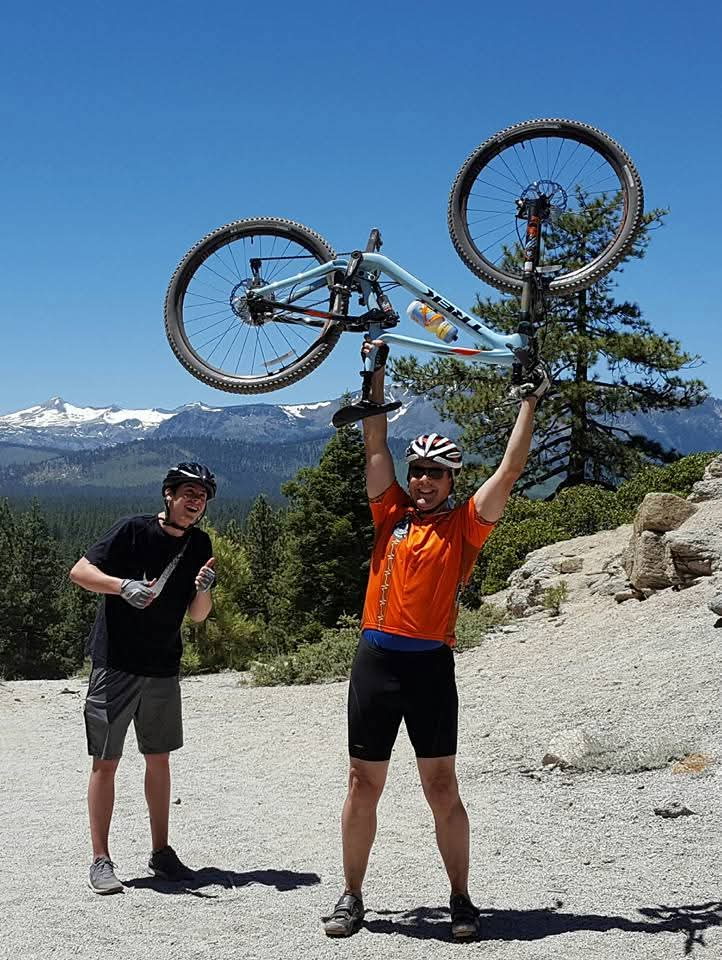
Forbidden to play sports during those years, he spent countless hours reading. When cleared for athletics at age 12, he dove in full force, taking up kayaking, track, and swimming, and eventually making the U.S. national kayaking team and competing at the Olympic level from 1979 through 1986.
It took time, reflection, and encouragement from others for Dr. Niskanen to find his way to medicine. Even after earning his bachelor’s degree in zoology at the University of Maryland, the profession still wasn’t on his shortlist. But at 30, he knew he wanted to pursue an advanced degree. Having been accepted to both law school and medical school, he compared textbooks to help make his decision and quickly realized where his passion truly lay. “Pathology was endlessly interesting,” Dr. Niskanen recalls. “I couldn’t get past the first few pages of torts.”
Finding His Calling
In 1992, Dr. Niskanen graduated with distinction from George Washington University with a medical degree. He went on to complete an internal medicine internship, where a pivotal experience crystallized his career path. After treating a patient transferred from Alaska, he reached out to the family medicine physician who had performed the emergency procedures.
“I was like, ‘What kind of doctor are you?’” Dr. Niskanen remembers. “He basically said, ‘I’m a family doc and I do everything.’ I started looking at family medicine programs and realized that’s what I wanted to do.”
That realization ultimately led him to complete a family practice residency at Oregon Health & Sciences University’s (OHSU) Cascades East Family Medicine Residency, where he was part of the program’s first graduating class, embracing the full-scope, relationship-based care model that would go on to define his career
Dr. Niskanen spent his first decade as a physician in northern New Hampshire, where he and three other physicians handled everything from deliveries to endoscopies. One patient, known as the “town drunk,” exemplifies his empathetic approach. After nearly dying in a snowbank, the man transformed his life under Niskanen’s care and is now thriving in his 80s.
“People can have drugs, alcohol, psychiatric issues,” Dr. Niskanen says. “If you take the time, get to know them and work with them, eventually you can get a lot of these people to have a much better quality of life. That’s what gives me the most satisfaction in medicine.”
Transforming Care at Sky Lakes
While Dr. Niskanen is remembered as an exceptional clinician, his influence extended far beyond individual encounters. Again and again, he saw gaps in care and responded by building programs designed to outlast any one person.
In 2007, then-CEO Paul Stewart hired Dr. Niskanen, recognizing something special. “He is arguably the smartest person I have personally ever known,” Stewart says. “What I found unique is that he doesn’t have one of those big egos, and yet he’s incredibly intelligent and a team player.”
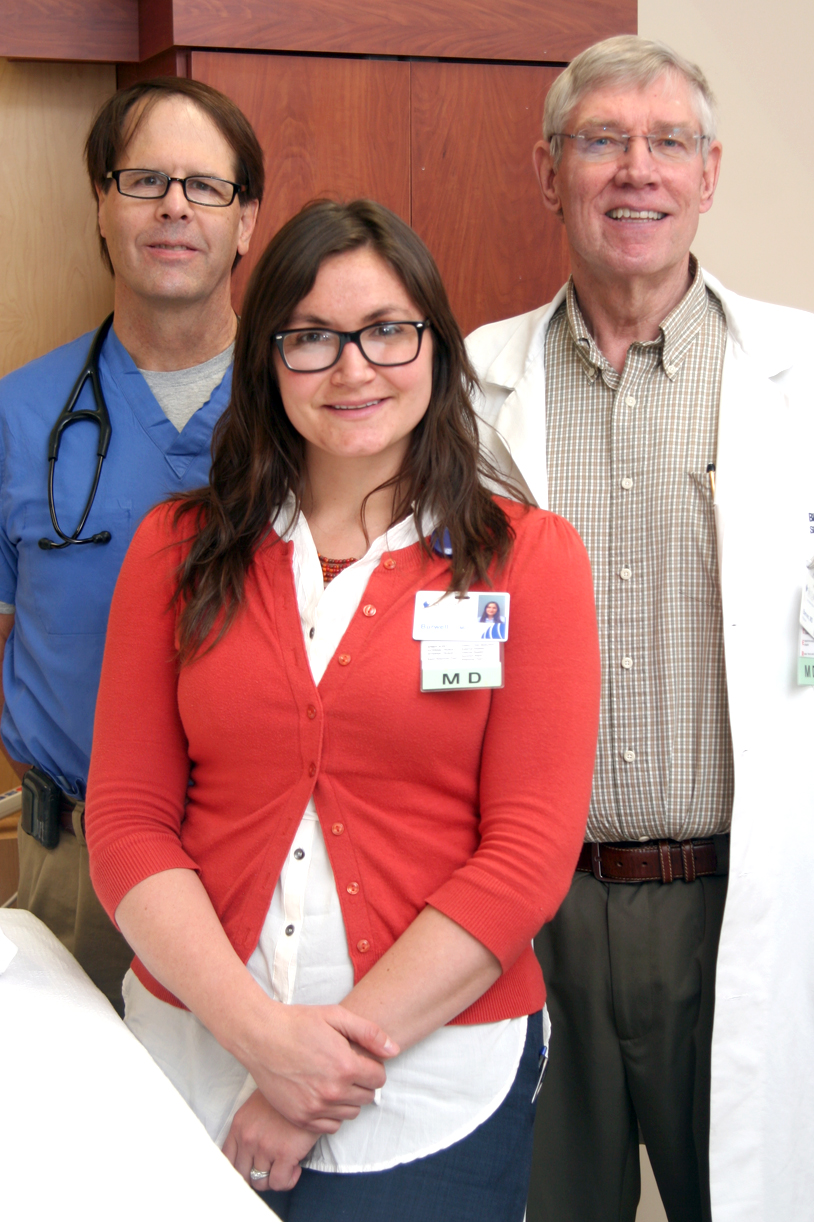
One of his earliest and most lasting contributions was the creation of Sky Lakes’ hospitalist service, which provided consistent inpatient coverage and relieved community physicians from unsustainable call schedules. Dr. Radu Moisa, Program Director of the Cascades East Family Medicine Residency and Assistant Professor of Family Medicine at OHSU, who worked alongside Dr. Niskanen for years, calls the program transformative. “He was in the trenches when it was built,” Dr. Moisa says, “working the equivalent of multiple full-time roles to make it work.”
Dr. Erin Gonzales, Chief Medical Officer and Chief Physician Executive, notes that in 2014, “[Dr. Niskanen] helped create the Almond Clinic to expand access to care for patients without established providers, an effort that later informed and strengthened our broader primary care model.” In 2015, he implemented the Advanced Practice Provider Orientation program to support high-quality clinical practice and advanced innovative care models through tele-stroke services, inpatient tele-dialysis, and the development of tele-ICU capabilities. “These efforts reflect his deep commitment to both patients and the clinicians who care for them,” says Dr. Gonzales.
During COVID-19, Dr. Niskanen helped implement one of Oregon’s first drive-through testing systems. “Grant was always up to date and always one step ahead,” Dr. Moisa explains. “When the pandemic hit, the science changed almost daily, and he was the person synthesizing it all. Klamath Falls was ahead of pretty much everywhere else in Oregon.”
A Teacher Who Never Stopped Learning
Teaching was never an add-on for Dr. Niskanen; it was central to his identity as a physician. Throughout his career, he served as a faculty member and mentor with Cascades East Family Medicine Residency through OHSU, Dartmouth-affiliated programs, and other institutions.
Several colleagues note that Dr. Niskanen’s morning routine included reading the New England Journal of Medicine and JAMA, exercising, then meeting with residents to discuss cases. His commitment to evidence-based medicine shaped Sky Lakes’ entire culture.
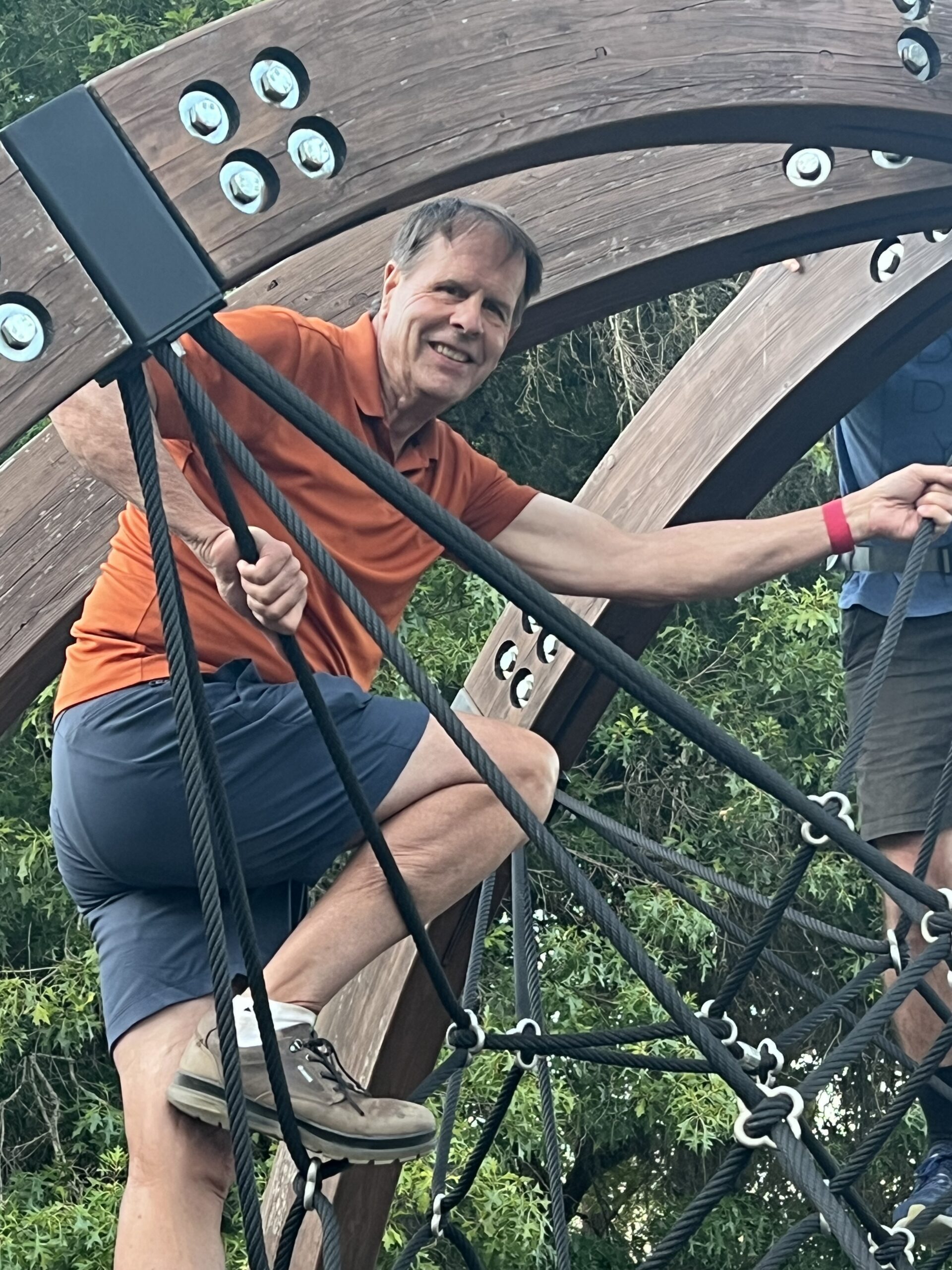
“I’ve always found that if I teach, I tend to know more,” Dr. Niskanen says. “If you have to teach it, you have to understand it to another level.”
Dr. Stewart Decker, now Clinical Wellness Officer and Medical Director of Sky Lakes Wellness Center, met Dr. Niskanen during a 2014 residency interview and was immediately impressed. “He was talking knowledgeably about medicine in the outpatient clinic, the inpatient world, and the ICU,” Dr. Decker recalls. “It felt emblematic of the type of clinician I wanted to be.” He adds that Dr. Niskanen “established the baseline level of professionalism and capability expected of clinicians at Sky Lakes, as well as allowing people to practice at the top of their experience.”
Dr. Moisa credits Dr. Niskanen with transforming the residency’s approach. “He is a mentor to all of us. We look at physicians’ competencies from many lenses, from their professionalism to their skills, to their knowledge. Grant is the doctor that all of us want to be. He makes us strive for a high level.”
Always Dedicated and Supportive
Paul Stewart experienced Dr. Niskanen’s dedication firsthand when he developed sepsis five years ago. Dr. Niskanen barely left his side during the week Stewart spent in a coma. “He was communicating with my wife, researching constantly,” Stewart recalls. “He and another physician literally saved my life. That’s how he approached all his patients — always looking for what else they need.”
“Grant was always there,” Dr. Moisa remembers. One stormy night, he couldn’t transfer a patient due to logistical difficulties in this rural area. “It was almost midnight. Although it was not his patient, Grant was at the bedside with me, to support me. He is there for us as colleagues and for our patients, no matter if it’s his day off, or if it’s midnight. He is really, really caring.”
Colleagues consistently describe him as calm and unflappable. “Never saw the guy get ruffled,” Stewart says. “He was always just calm, stable, and steady.”
The Husband and Father Behind the Physician
At home, Dr. Niskanen is known for his drive, curiosity, empathy, and encouragement.
Wendy Niskanen, a school nurse and his wife of more than 30 years, first met him as a teenager on a river, long before medicine entered the picture. She had flipped her boat and while one boy simply told her, “Learn to roll,” Dr. Niskanen sat next to her to give her encouragement and guided her down the waterfall. That’s who he’s always been.
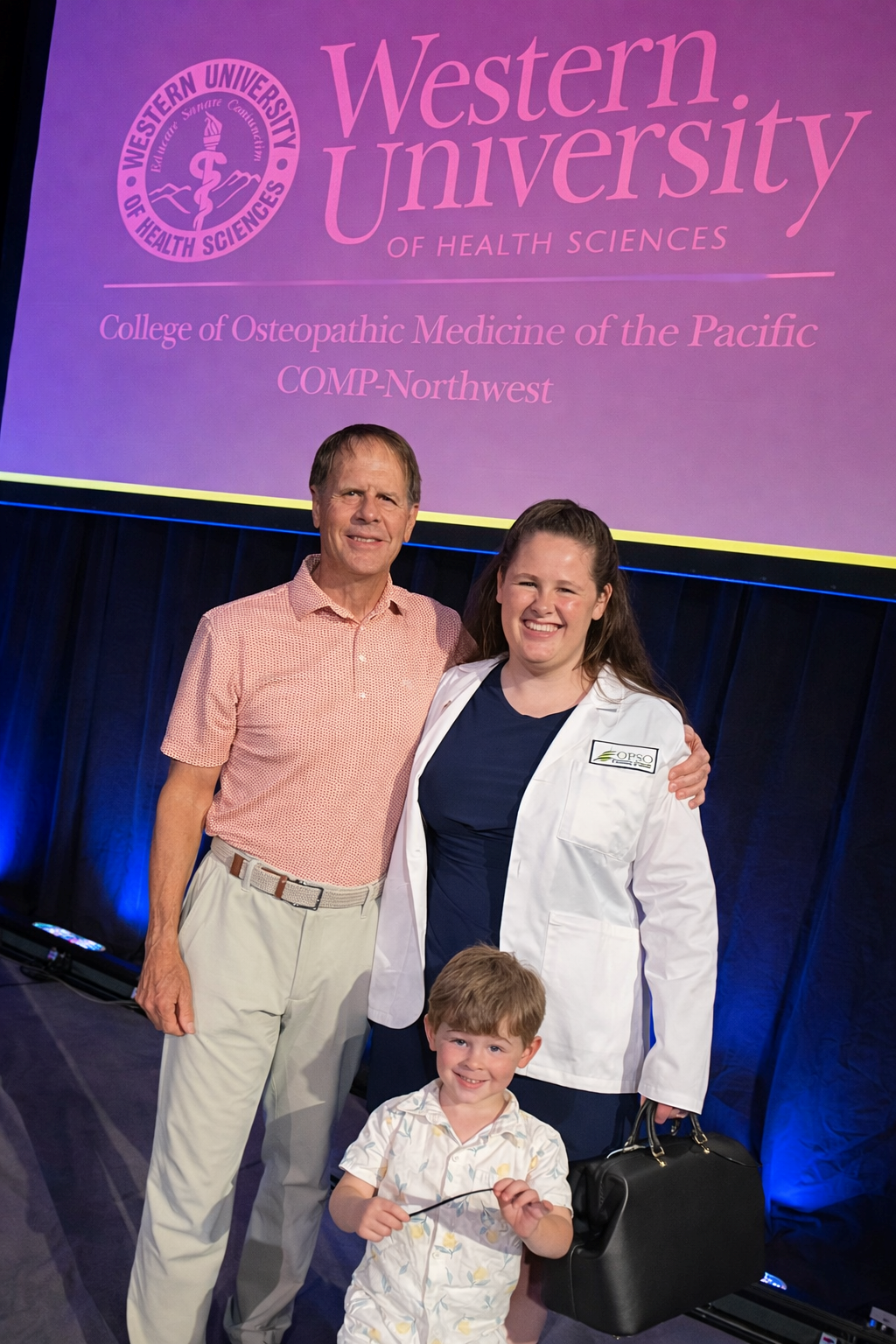
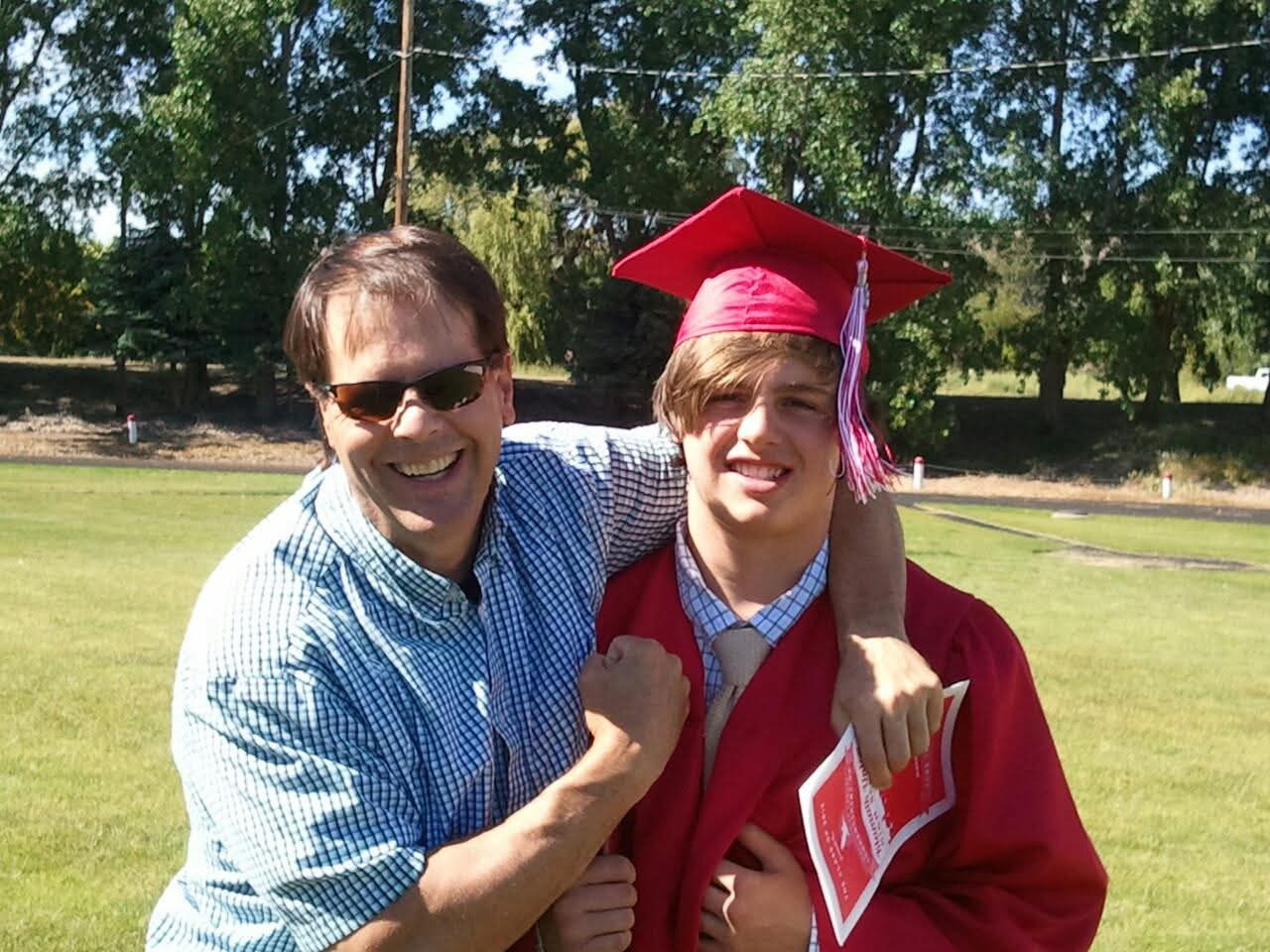
Dr. Niskanen acknowledges that Wendy has been the steady force behind his demanding career. “My wife basically has run the family for 33 years,” he says. “When there’s a problem, the kids call her.” The couple has three children: Jon, an engineer; Emma, at medical school; and Ty, just finishing school.
Today, as an avid cross-country skier and competitive golfer (he’s made it to nationals at the amateur senior level twice), Dr. Niskanen brings the same analytical enthusiasm to sports as he does to medicine. Wendy jokes that if forced to choose between food and data, he might pick data. “He’s always learning,” she said. “That’s never changed.”
She also notes the sacrifices behind his career. “He compartmentalizes incredibly well,” Wendy says. “That’s how he could be so present for patients.” She credits his early health experiences with shaping his empathy and perspective, as well as his deep appreciation for life. “He’s rock solid,” she says. “He’s also the smartest person you’re ever going to meet.”
She adds: “Everybody says you should leave a community better than you found it. He is the exclamation mark of that.”
Looking Forward
Retirement doesn’t mean slowing down. Dr. Niskanen and Wendy are moving to Mesquite, Nevada, where he’ll continue practicing medicine through locum work while having flexibility to golf, bike, and visit their children scattered across the West.
“I hope my colleagues and patients remember that I really cared and that I tried to put the patient first,” he says. “That’s the most important thing.”
Before signing off, Dr. Niskanen emphasizes: “Sky Lakes Medical Center is a phenomenal institution. The Cascades East Family Medicine Residency has some of the best, brightest young doctors I’ve met. I think that’s why the quality and care we give here is so much better than almost any other hospital I’ve been in.”
As Paul Stewart puts it: “He brought an uncommon intelligence coupled with tireless dedication and a lifelong love of learning to the practice of saving lives and quietly shaping many other lives with his skill, his compassion, and his unwavering commitment to his profession.”