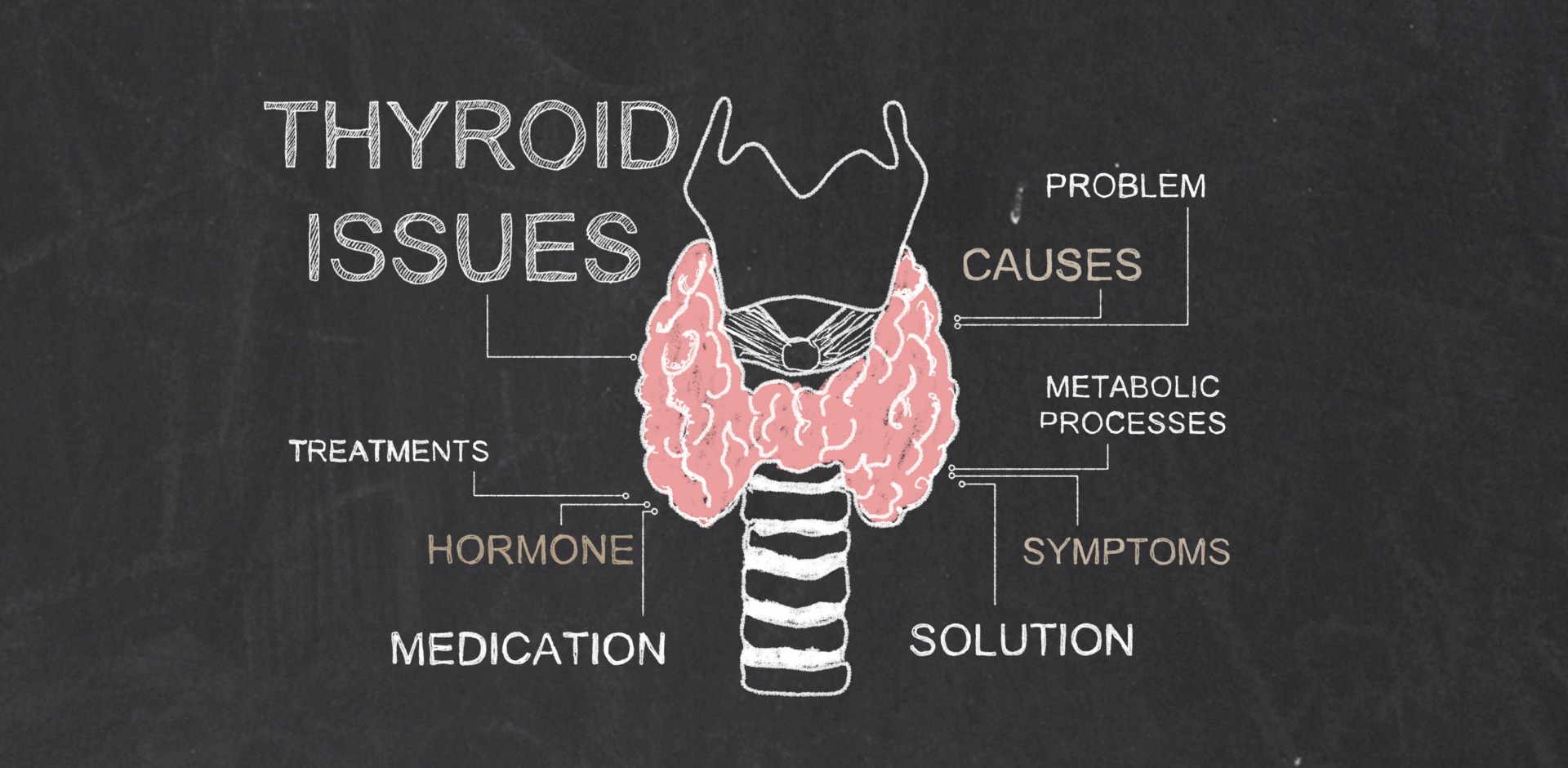
Your thyroid is a small, butterfly-shaped gland in your neck, but it plays a big role in how your body works. It helps control your metabolism, which affects your energy, temperature, heart rate, and more.
Hypothyroidism: When Your Thyroid Is Underactive
When the thyroid does not make enough hormone, the condition is called hypothyroidism. Feeling tired, cold, or foggy all the time? Your thyroid might be struggling.
“Hypothyroidism means the thyroid is underactive and not able to make enough thyroid hormone for your body,” says Dr. Lu Xu, an endocrinologist at Sky Lakes Medical Center. “When that happens, your metabolic rate slows down.”
Common Symptoms You Might Miss
Hypothyroidism can be easily missed because many symptoms feel vague or easy to blame on stress or aging. Fatigue is common, along with weight gain, constipation, dry or coarse skin, and feeling cold when others feel fine.
“People often think, ‘I’m just getting older,’” Xu says. “But if you notice a group of symptoms together — low energy, weight gain even with normal or low appetite, dry skin, cold intolerance — that’s when it’s important to get checked.”
Other symptoms can include trouble concentrating, memory issues, menstrual irregularities, and low heart rate. Untreated hypothyroidism can also raise cholesterol and increase the risk of heart problems, infertility, and miscarriage.
What Causes Hypothyroidism?
Hypothyroidism is more common in women, older adults, and people with a family history of autoimmune disease. Xu says it affects roughly 1 to 12 percent of the population.
The most common cause is an autoimmune condition called Hashimoto’s thyroiditis. In this condition, your immune system attacks your thyroid by mistake. “Hashimoto’s causes up to about 85 percent of hypothyroidism cases,” Xu explains.
Doctors can check for a specific blood marker, called a TPO antibody, to help confirm Hashimoto’s.
How Doctors Diagnose It
Diagnosis starts with a blood test. “We look for a high TSH level and a low free T4 level,” Xu says. TSH is a hormone that tells your thyroid to work harder. When it stays high, it often means the thyroid is struggling.
If you have risk factors or ongoing symptoms, Xu recommends regular testing. “If someone has a personal or family history of autoimmune disease, checking TSH every year is reasonable,” she says.
Treatment: Replacing What’s Missing
Treatment for hypothyroidism focuses on replacing the hormone your body lacks. The most common medication is levothyroxine, a lab-made version of the T4 hormone.
Xu uses an analogy to explain it: “T4 is like groceries you keep at home. Your body converts it into T3, the active hormone, when it needs it.” Some people ask about animal-derived T3 products, but Xu says they are harder to keep stable in the body.
Most people start to feel better within six to eight weeks. “We usually recheck levels after six to eight weeks because that’s how long it takes to reach a steady state,” Xu says. Some symptoms, like menstrual changes or slow heart rate, can take longer to improve.
Diet and Daily Support
Medication is key, but lifestyle still matters. Xu recommends a balanced diet with enough vitamin D, iron, B12, zinc, selenium, and iodine. For people with Hashimoto’s, she says a Mediterranean-style diet shows the most benefit. This eating pattern emphasizes vegetables, fruits, whole grains, olive oil, fish, and less red meat and saturated fat.
“I’m not completely against red meat,” Xu adds. “Moderate amounts can be part of a balanced diet, especially for maintaining muscle as we age.”
Hyperthyroidism: When Your Thyroid Is Overactive
Racing heart, weight loss, anxiety, and heat intolerance may be signs your thyroid is working too hard. When it releases too much hormone, that pace speeds up. This condition is called hyperthyroidism, and it can affect nearly every system in your body.
“Hyperthyroidism means the thyroid is overactive,” says Dr. Lu Xu, an endocrinologist at Sky Lakes Medical Center. “It’s making more thyroid hormone than your body actually needs.”
Symptoms That Feel Like Your Body Is Racing
Many symptoms of hyperthyroidism feel like the opposite of hypothyroidism. Instead of feeling slow and cold, you may feel revved up and overheated. Common signs include heat intolerance, fast or irregular heartbeat, heart palpitations, anxiety, tremors, diarrhea, and weight loss even though your appetite increases.
People may also notice poor sleep, irritability, fatigue, and menstrual changes. “Fatigue and menstrual irregularity can happen in both hyperthyroidism and hypothyroidism,” Xu notes, “which is why blood tests matter.”
What Causes Hyperthyroidism?
The cause often depends on age. In younger adults, the most common cause is Graves’ disease, an autoimmune condition. “The body makes a stimulating antibody that attaches to the thyroid and pushes it to make hormone in an out-of-control manner,” Xu explains.
In older adults, overactive thyroid nodules become more common. These “toxic” or “hot” nodules produce hormone on their own and ignore the body’s normal feedback system.
Some forms of hyperthyroidism are temporary. In conditions like postpartum thyroiditis or certain medication-related thyroiditis, the thyroid releases stored hormone as it becomes inflamed. “In those cases, the thyroid isn’t making more hormone,” Xu says. “It’s releasing what was already stored.”
How Doctors Diagnose It
Diagnosis starts with blood work. Doctors check TSH, T4, and often T3 levels. “I usually check total T3 because it helps us figure out the cause,” Xu says.
In some cases, imaging helps. A radioactive iodine uptake scan can show whether the thyroid is actively producing excess hormone or simply releasing stored hormone. Xu says that high uptake suggests Graves’ disease or nodules; low uptake points toward thyroiditis.
Why Treatment Matters
Hyperthyroidism is not something to ignore. “Untreated hyperthyroidism increases overall mortality,” Xu says. The biggest risks involve the heart. These include rapid heart rate, high blood pressure, atrial fibrillation, and, in severe cases, heart failure.
It can also affect mood and mental health. Anxiety, insomnia, irritability, and tremors are common. Over time, untreated disease raises the risk of serious cardiovascular complications.
Treatment Options: One Size Does Not Fit All
Treatment depends on the cause and severity. For Graves’ disease, options include medication, radioactive iodine therapy, or surgery.
Medication may lead to remission for some people. “If someone needs a low dose and has a lower antibody level, they may go into remission after one to two years,” Xu says. Higher doses come with higher risks, including effects on white blood cells and liver function.
Radioactive iodine therapy is a one-time treatment that reduces thyroid tissue. Surgery may help if the thyroid is very large or causing choking or swallowing problems. Both treatments often result in hypothyroidism, which doctors then manage with hormone replacement. “Overall, hypothyroidism is easier to manage than hyperthyroidism,” she notes.
Diet and Ongoing Care
Diet does not replace treatment, but it supports overall health. Xu recommends a Mediterranean-style diet for both hyperthyroidism and hypothyroidism. This pattern includes vegetables, fruits, whole grains, olive oil, fish, and moderate protein. It supports anti-inflammatory and immune health, which matters because many thyroid conditions are autoimmune.
When To See Your Doctor
“If you have symptoms that raise concern, it’s always a good idea to have your thyroid checked,” Xu says.
Early testing and the right treatment can help your body find its balance again.
When To See a Specialist
Your primary care clinician can manage most cases. An endocrinologist may help if symptoms persist, levels are hard to control, or the cause is unclear.
 [gtranslate]