When you hear “family planning,” you might picture birth control. But it covers much more: deciding if and when you want kids, preventing pregnancy if you don’t, getting your body ready if you do, and knowing your options if you conceive before you’re ready.
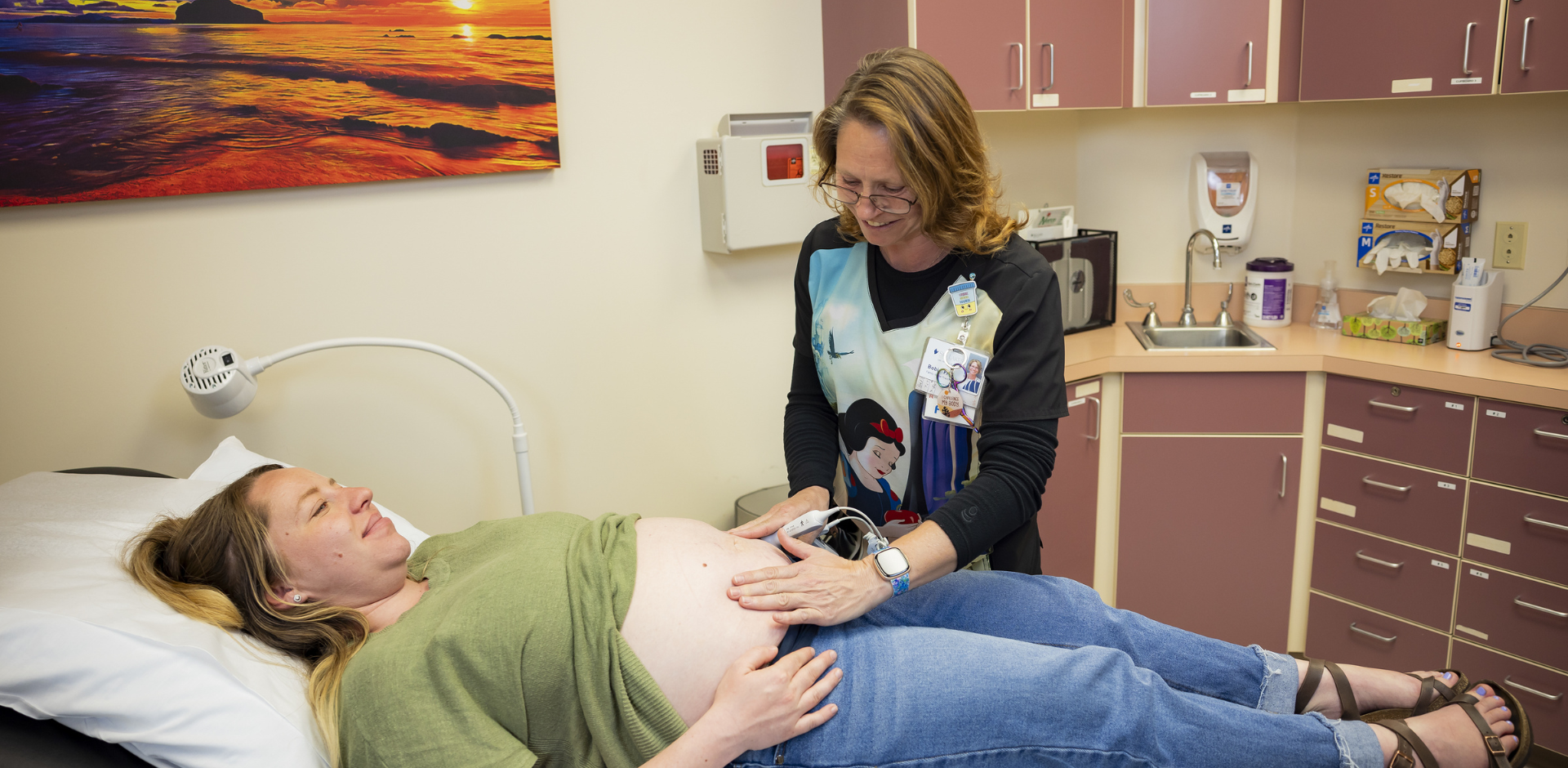
“We cover health suggestions during pregnancy, and we can talk about options and where to turn if you have conceived but are not ready to start a family,” says Bobi Staffler, a family nurse practitioner at Sky Lakes Women’s Health Clinic. Staffler says the goal is always the same: to help you make an informed choice that fits your life.
What to Expect at Your First Visit
If the idea of a birth control appointment makes you nervous, you’re not alone. Many people worry they’ll need a pelvic exam just to talk about their options. That’s not true.
“Just because you come to a gynecology office does not mean that we have to get you undressed,” Staffler says. “It can just be a discussion.” Your provider will ask about your medical history, cycle, and goals, whether that’s preventing pregnancy, easing painful periods, or something else. From there, you can narrow down which method fits best.
Clearing Up Birth Control Myths
Staffler hears a lot of misconceptions. Some patients worry that IUDs cause infertility or scar the uterus, or that hormonal birth control always leads to weight gain. Most of those worries aren’t supported by the evidence.
“We have a lot of options that don’t cause weight gain,” Staffler says, adding that birth control does not cause long-term infertility, either.
Getting Your Body Ready
If you know you want to get pregnant someday, you can start preparing now. Staffler recommends starting prenatal vitamins with folic acid and DHA well before conception, since folic acid needs time to build up in your system and lowers the risk of serious birth defects. “It’s never too early to start a prenatal vitamin,” she says.
She also suggests cutting out smoking, alcohol, and drugs — including marijuana, which research links to higher risks of miscarriage and low birth weight.
Fertility also declines with age, dropping off more noticeably after 35. That doesn’t mean pregnancy is off the table, but it may take longer, so it’s worth talking with a provider about your timeline sooner rather than later.
It May Take Longer Than You Think
Many patients expect to get pregnant right after stopping birth control, but it does not always work that way. Depending on the method, it can take up to 12 months for fertility to fully return. And if it’s taking a while, remember the cause isn’t always female. “One third of the time it might be a female issue, a third of the time it might be a male issue, and a third of the time it can be you two together,” Staffler says.
It’s OK to Ask Questions
Whatever stage you’re at, Staffler wants you to know you’re in control of the conversation. You can decline any exam you’re not ready for, and no question is too awkward to ask.
“There is zero judgment on my part for anything you tell me,” she says. “I want to help patients achieve their goals and the best health possible.”
 [gtranslate]