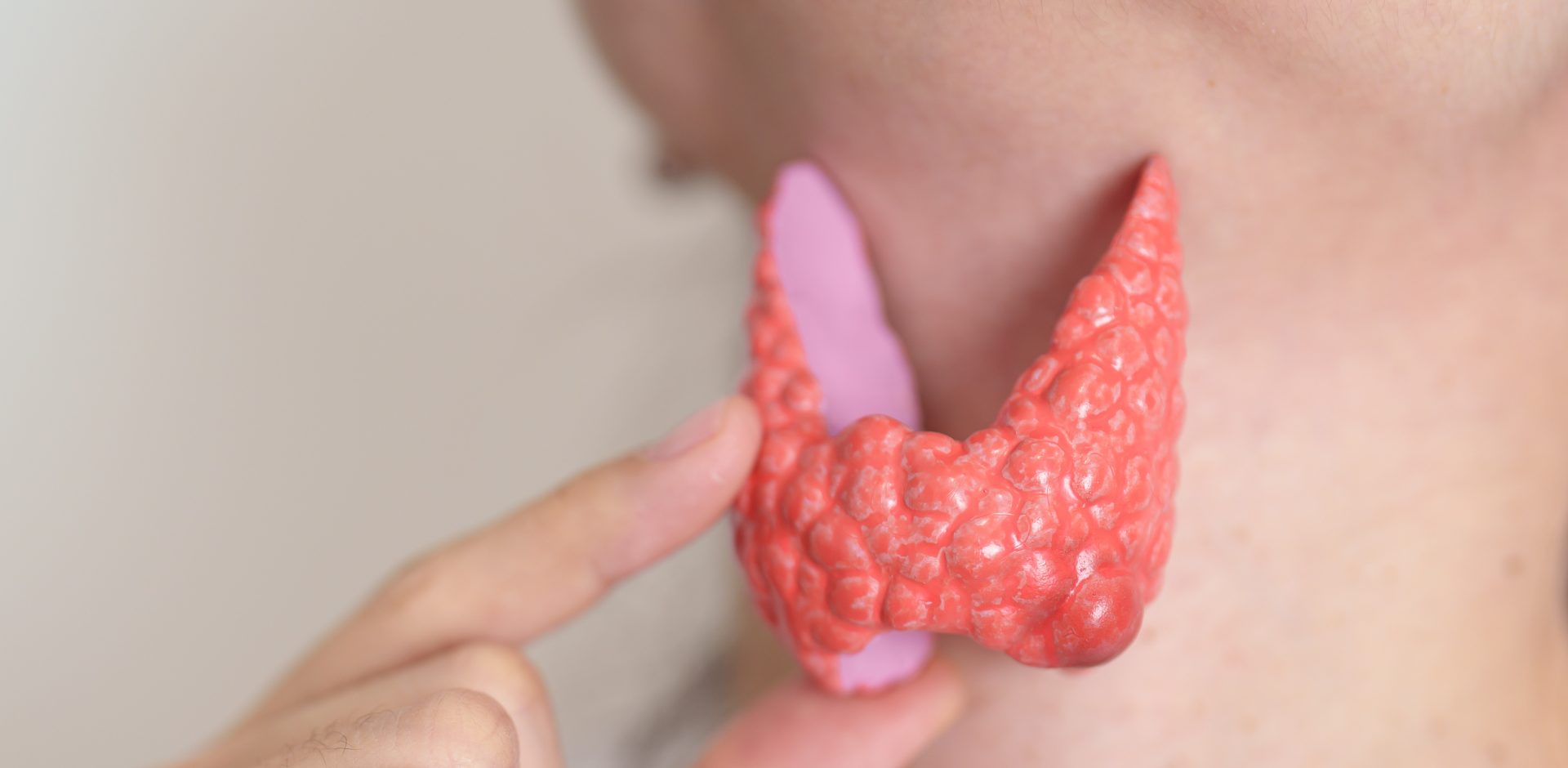
Your thyroid is a small, butterfly-shaped gland in your neck, but it plays a big role in how your body works. It helps control your metabolism, which affects your energy, temperature, heart rate, and more. When the thyroid does not make enough hormone, the condition is called hypothyroidism.
“Hypothyroidism means the thyroid is underactive and not able to make enough thyroid hormone for your body,” says Dr. Lu Xu, an endocrinologist at Sky Lakes Medical Center. “When that happens, your metabolic rate slows down.”
Common Symptoms You Might Miss
Hypothyroidism can be easily missed because many symptoms feel vague or easy to blame on stress or aging. Fatigue is common, along with weight gain, constipation, dry or coarse skin, and feeling cold when others feel fine.
“People often think, ‘I’m just getting older,’” Xu says. “But if you notice a group of symptoms together — low energy, weight gain even with normal or low appetite, dry skin, cold intolerance — that’s when it’s important to get checked.”
Other symptoms can include trouble concentrating, memory issues, menstrual irregularities, and low heart rate. Untreated hypothyroidism can also raise cholesterol and increase the risk of heart problems, infertility, and miscarriage.
What Causes Hypothyroidism?
Hypothyroidism is more common in women, older adults, and people with a family history of autoimmune disease. Xu says it affects roughly 1 to 12 percent of the population.
The most common cause is an autoimmune condition called Hashimoto’s thyroiditis. In this condition, your immune system attacks your thyroid by mistake. “Hashimoto’s causes up to about 85 percent of hypothyroidism cases,” Xu explains.
Doctors can check for a specific blood marker, called a TPO antibody, to help confirm Hashimoto’s.
How Doctors Diagnose It
Diagnosis starts with a blood test. “We look for a high TSH level and a low free T4 level,” Xu says. TSH is a hormone that tells your thyroid to work harder. When it stays high, it often means the thyroid is struggling.
If you have risk factors or ongoing symptoms, Xu recommends regular testing. “If someone has a personal or family history of autoimmune disease, checking TSH every year is reasonable,” she says.
Treatment: Replacing What’s Missing
Treatment for hypothyroidism focuses on replacing the hormone your body lacks. The most common medication is levothyroxine, a lab-made version of the T4 hormone.
Xu uses an analogy to explain it: “T4 is like groceries you keep at home. Your body converts it into T3, the active hormone, when it needs it.” Some people ask about animal-derived T3 products, but Xu says they are harder to keep stable in the body.
Most people start to feel better within six to eight weeks. “We usually recheck levels after six to eight weeks because that’s how long it takes to reach a steady state,” Xu says. Some symptoms, like menstrual changes or slow heart rate, can take longer to improve.
Diet and Daily Support
Medication is key, but lifestyle still matters. Xu recommends a balanced diet with enough vitamin D, iron, B12, zinc, selenium, and iodine. For people with Hashimoto’s, she says a Mediterranean-style diet shows the most benefit. This eating pattern emphasizes vegetables, fruits, whole grains, olive oil, fish, and less red meat and saturated fat.
“I’m not completely against red meat,” Xu adds. “Moderate amounts can be part of a balanced diet, especially for maintaining muscle as we age.”
When To See a Specialist
Your primary care clinician can manage most cases. An endocrinologist may help if symptoms persist, levels are hard to control, or the cause is unclear. “As long as your doctor is comfortable adjusting doses, hypothyroidism can be managed well,” Xu says.
If something feels off and does not improve, trust that instinct. A simple test can bring clarity and relief.
 [gtranslate]