[gtranslate]



Stroke is a leading cause of death and disability in the United States, but recognizing the warning signs early can dramatically improve outcomes. Stacey Holmes, director of emergency and trauma services at Sky Lakes Medical Center, wants you to know that anyone can spot a stroke if they know what to look for.
The BE FAST Method
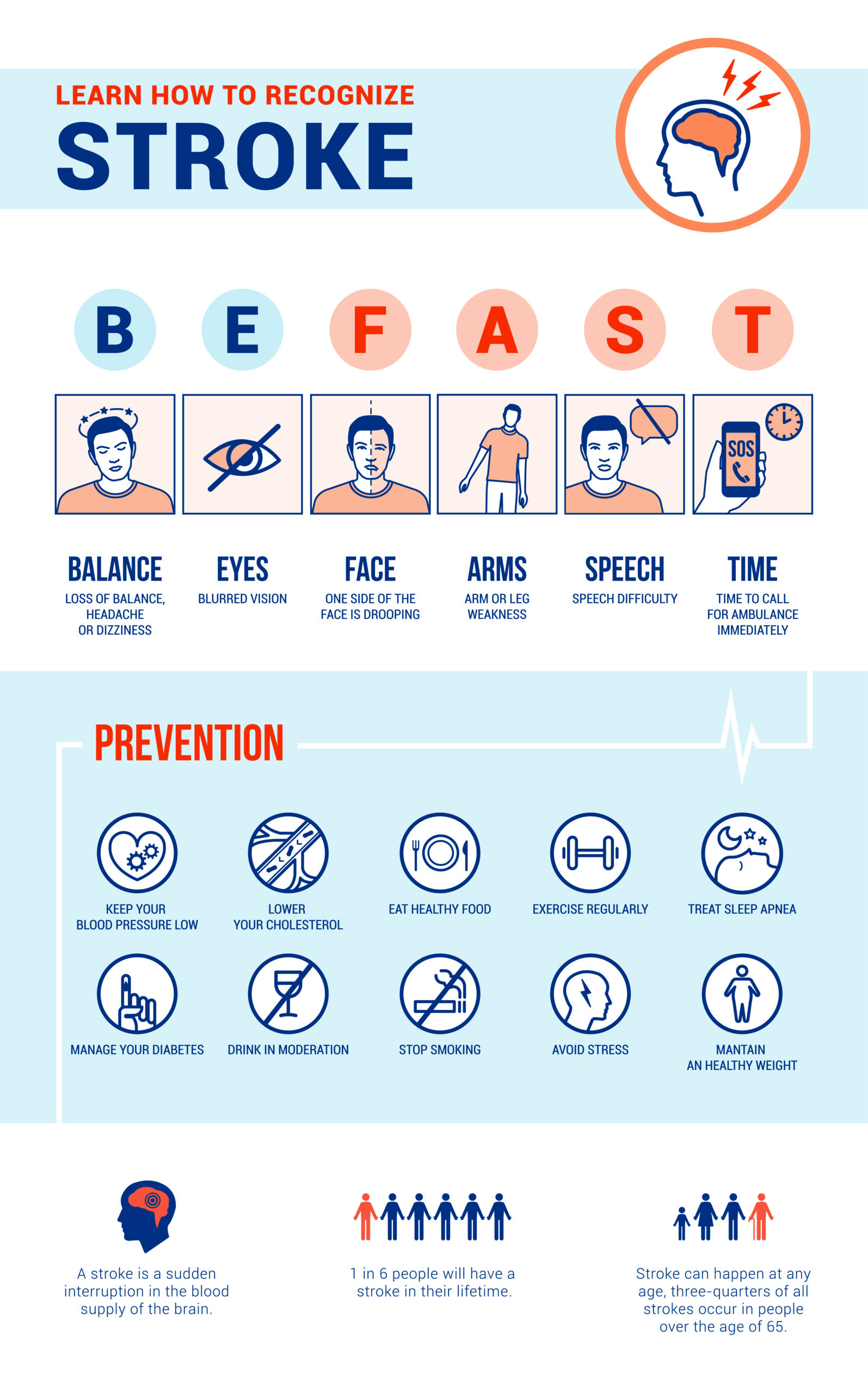
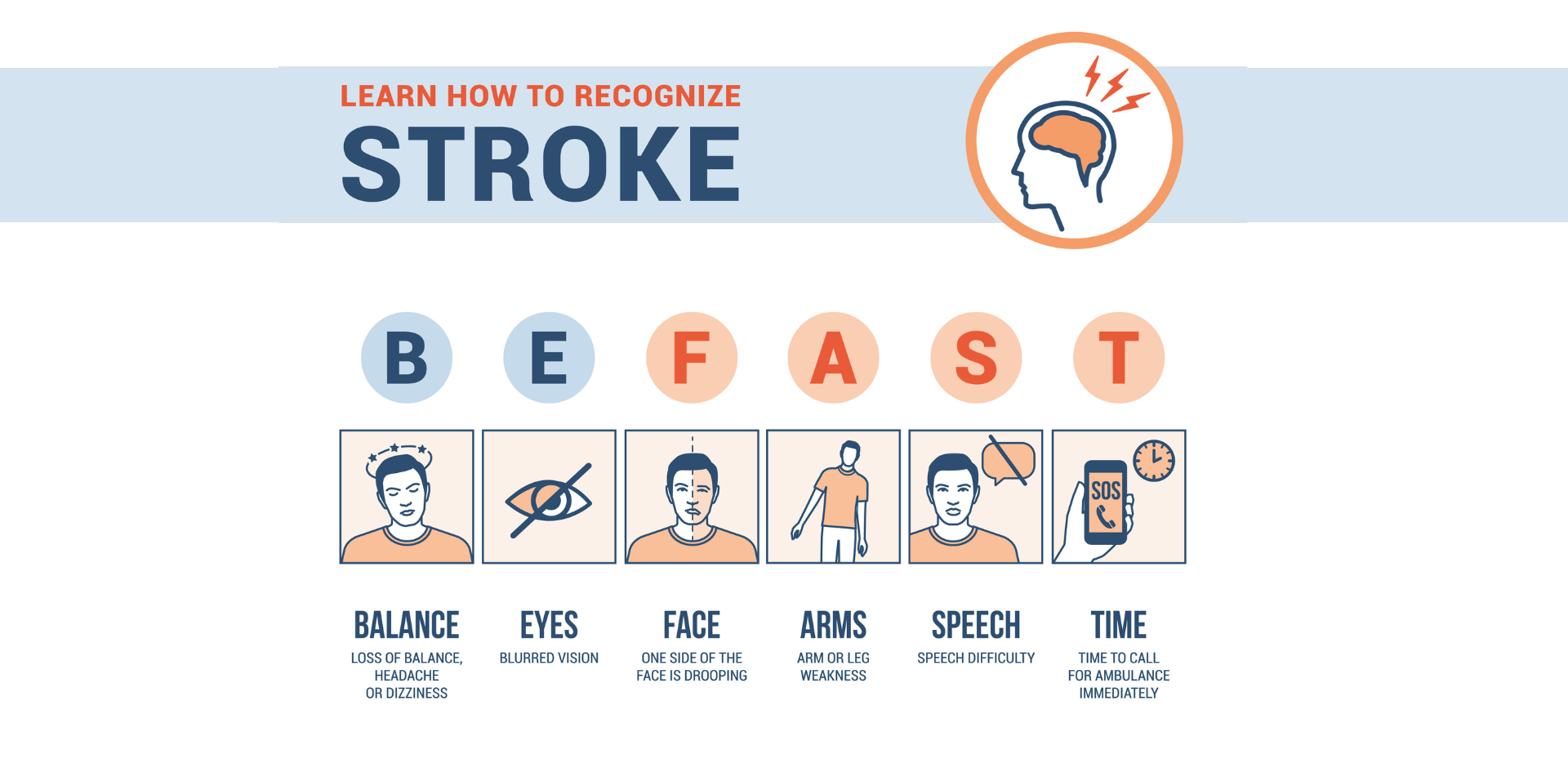
You may have heard of FAST, but medical professionals now use an expanded version called BE FAST. The two additional letters could help you catch strokes even earlier.
“B stands for Balance,” Holmes explains. “So if you have a sudden loss of balance or coordination, trouble walking, dizziness, those sorts of things.” The E stands for Eyes. Watch for sudden vision changes like blurred or double vision, or loss of vision in one or both eyes.
The remaining letters follow the traditional FAST model: Face (facial drooping or numbness on one side), Arm (arm weakness or one arm drifting downward), Speech (difficulty speaking, slurred words, or trouble understanding), and Time.
Why Time Matters Most
That last letter — “T” for Time — is critical. “We look at that as your last known well time,” says Holmes. If you notice someone showing stroke symptoms, note when you last saw them acting normally. This information helps doctors determine which treatments are available.
Some people think they should wait to see if symptoms improve on their own. Don’t. “That time is really important,” Holmes emphasizes. Call 911 immediately.
Stroke treatments work best when you get them within three hours of your first symptoms. About 80% of strokes happen when blood flow to your brain gets cut off. The longer your brain goes without blood, the more damage occurs.
Don’t Ignore Mini Strokes
Transient ischemic attacks (TIAs), often called mini strokes, produce the same symptoms as full strokes but typically resolve on their own. However, you should still seek emergency care. “There’s really no way to know if they’re having a mini stroke versus a full stroke,” Holmes notes. “You would want to come in and be treated for either of those.”
TIAs are warning signs that shouldn’t be ignored; they significantly increase your risk of having a full stroke later.
What Happens at the Hospital
If you arrive at the emergency department with stroke symptoms, you’ll likely go straight to a CT scan. Doctors will determine whether you’re having an ischemic stroke (caused by a blockage) or a hemorrhagic stroke (caused by bleeding in the brain). Treatment depends on which type you’re experiencing and may include clot-busting medication or transfer to a specialized facility.
Better Safe Than Sorry
Stroke can happen to anyone at any age. But when you know the warning signs and act fast, you give yourself or your loved one the best chance for recovery. Trust your instincts — if something seems wrong, call 911. It’s always better to be safe than sorry.
“Recognizing the signs and symptoms by using that BE FAST model and then accessing emergency care as soon as possible” is crucial, Holmes says. When it comes to stroke, quick action saves lives and brains.
Remember: Balance off, Eye changes, Face drooping, Arm weakness, Speech problems — Time to call 911.
Sky Lakes Medical Center has received the American Heart Association’s Get With the Guidelines Stroke Gold Plus award for several consecutive years, recognizing excellence in stroke care.