[gtranslate]



A Passion Project Turned Medical Training
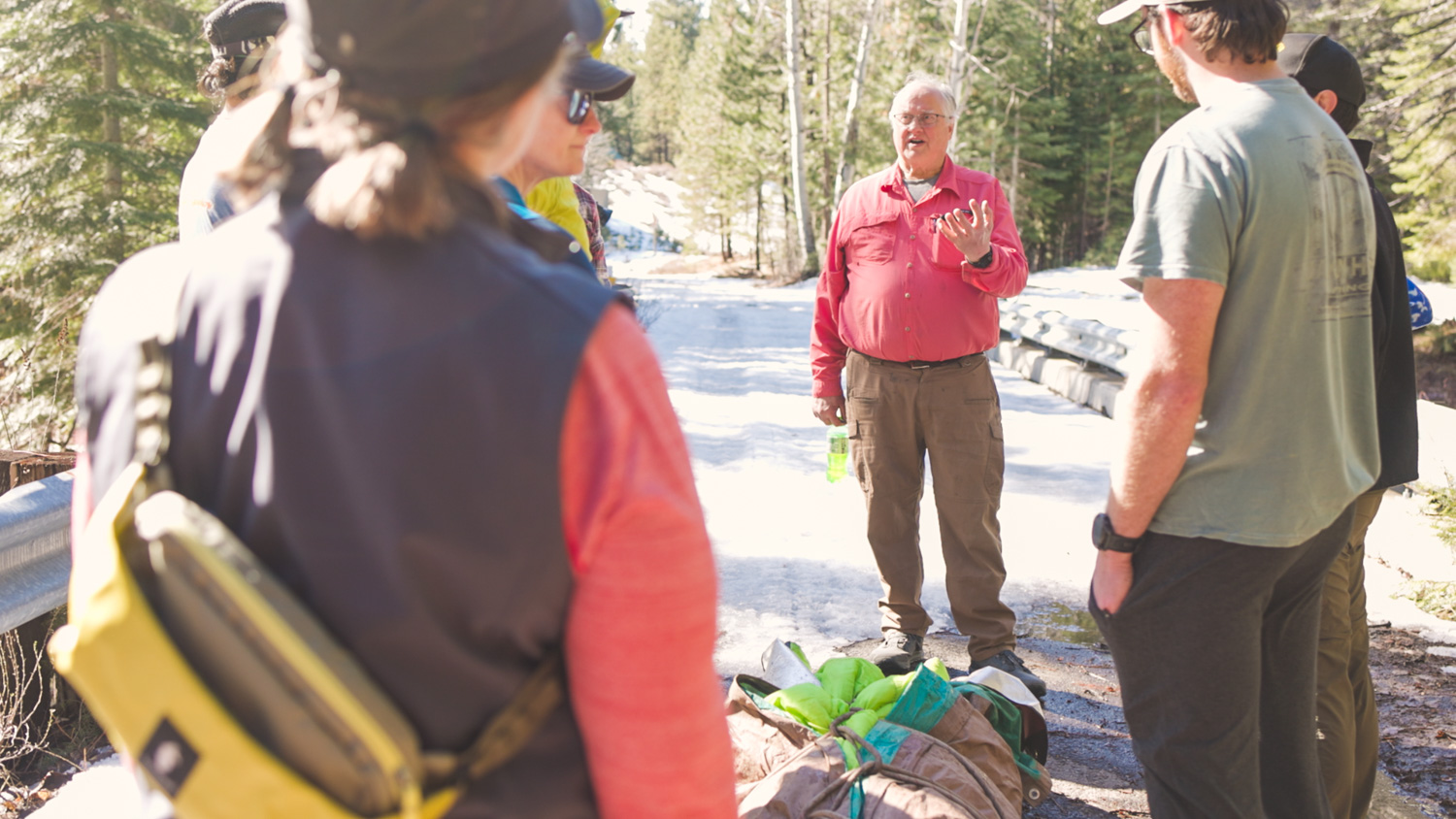
It started in Alaska in the mid-1990s, when a young doctor wanted to get outside. Dwight Smith, MD, now professor at OHSU and faculty with the Cascades East Family Medicine Residency Program at Sky Lakes in Klamath Falls, was helping launch a residency program when he and a colleague hatched a plan to take medical education outdoors.
“It all fell together as a means of trying to get outside and enjoy nature while I was teaching,” Smith says. What grew from that idea became a multi-day wilderness medicine course that Smith has now taught for nearly 30 years — first in Alaska, then in the Klamath Basin starting in 2009. Today, the course gives Sky Lakes residents and other health care professionals hands-on training in survival skills and emergency medical care when resources are scarce.
What Happens During the Course
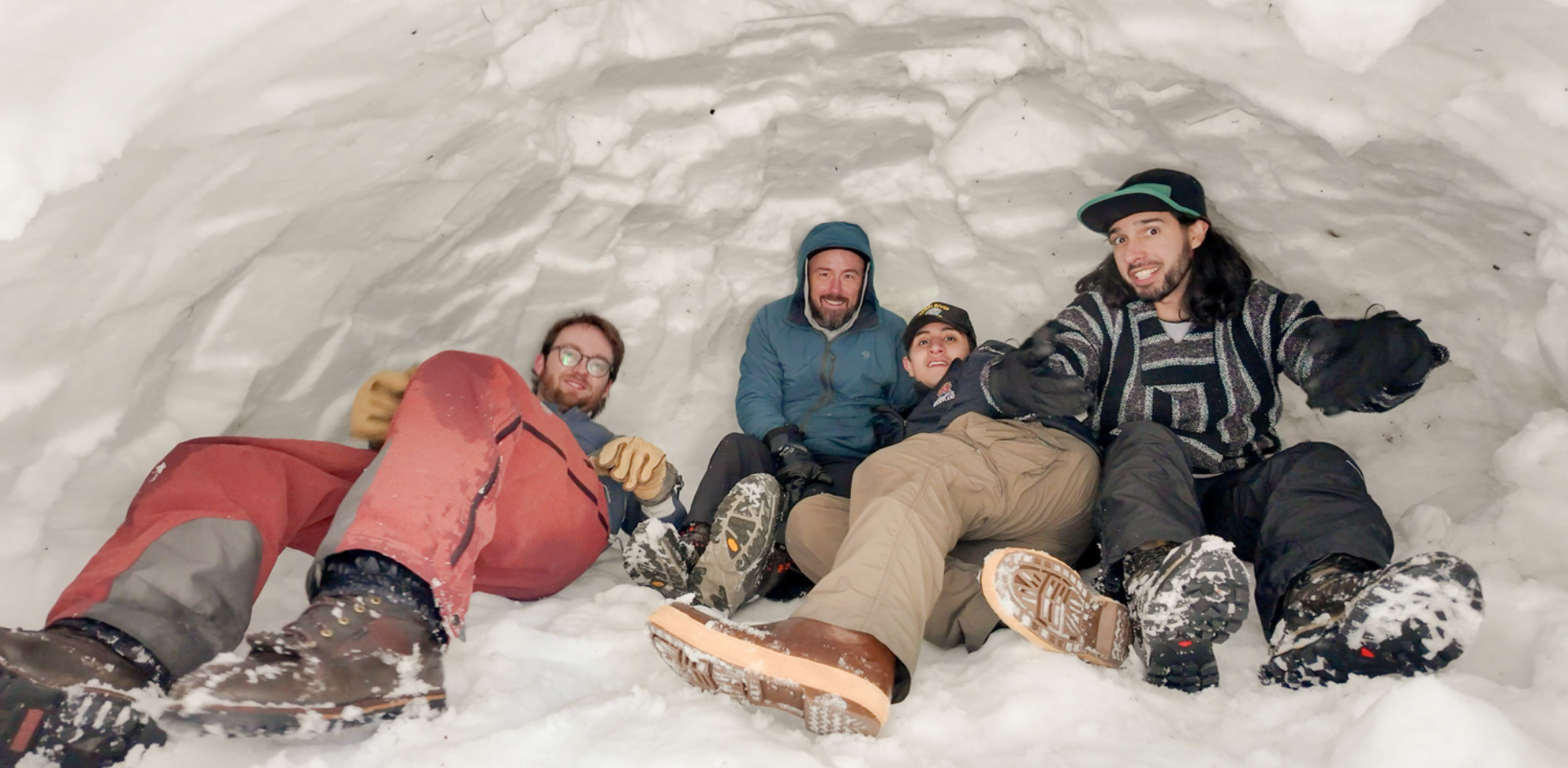
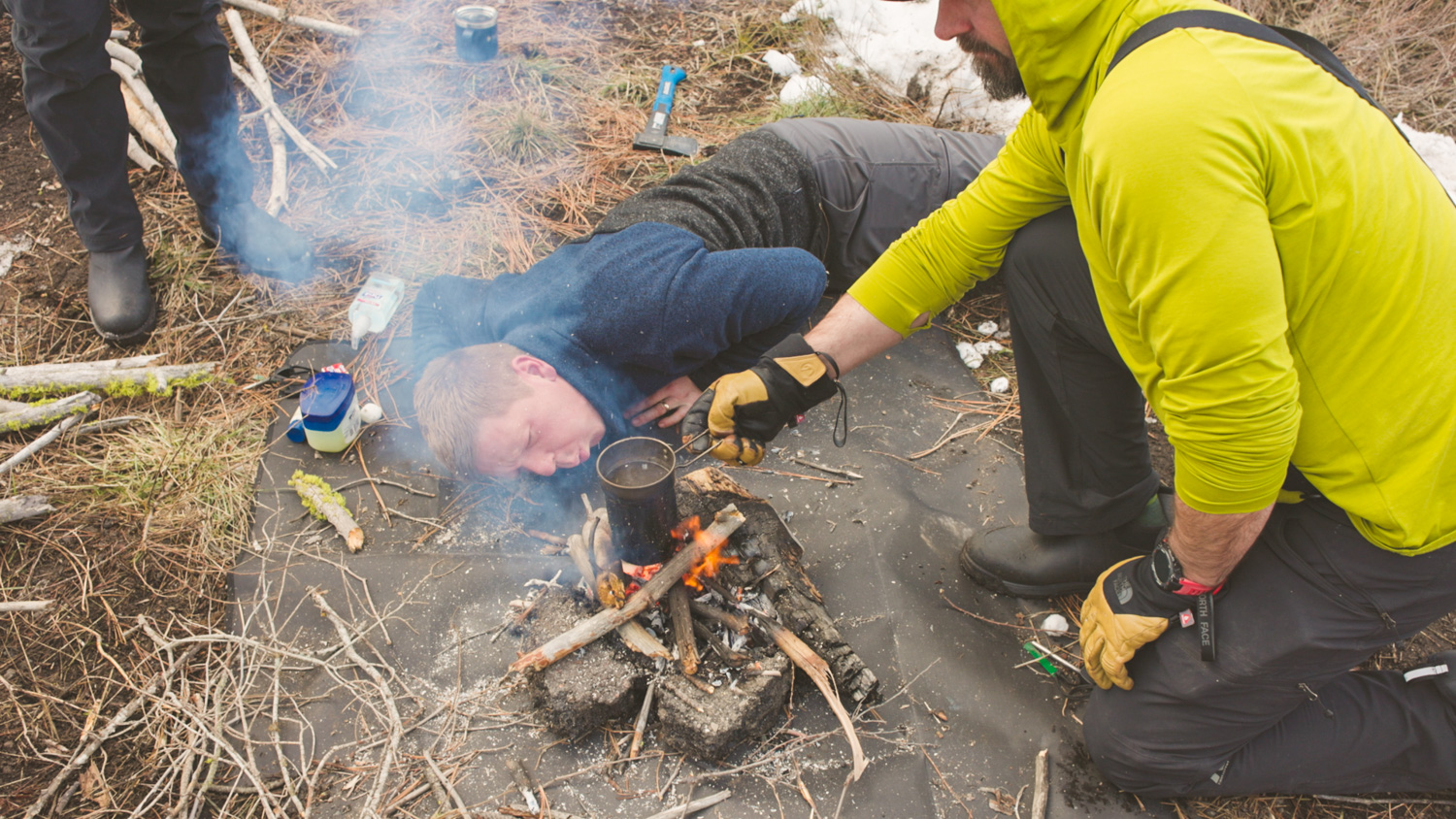
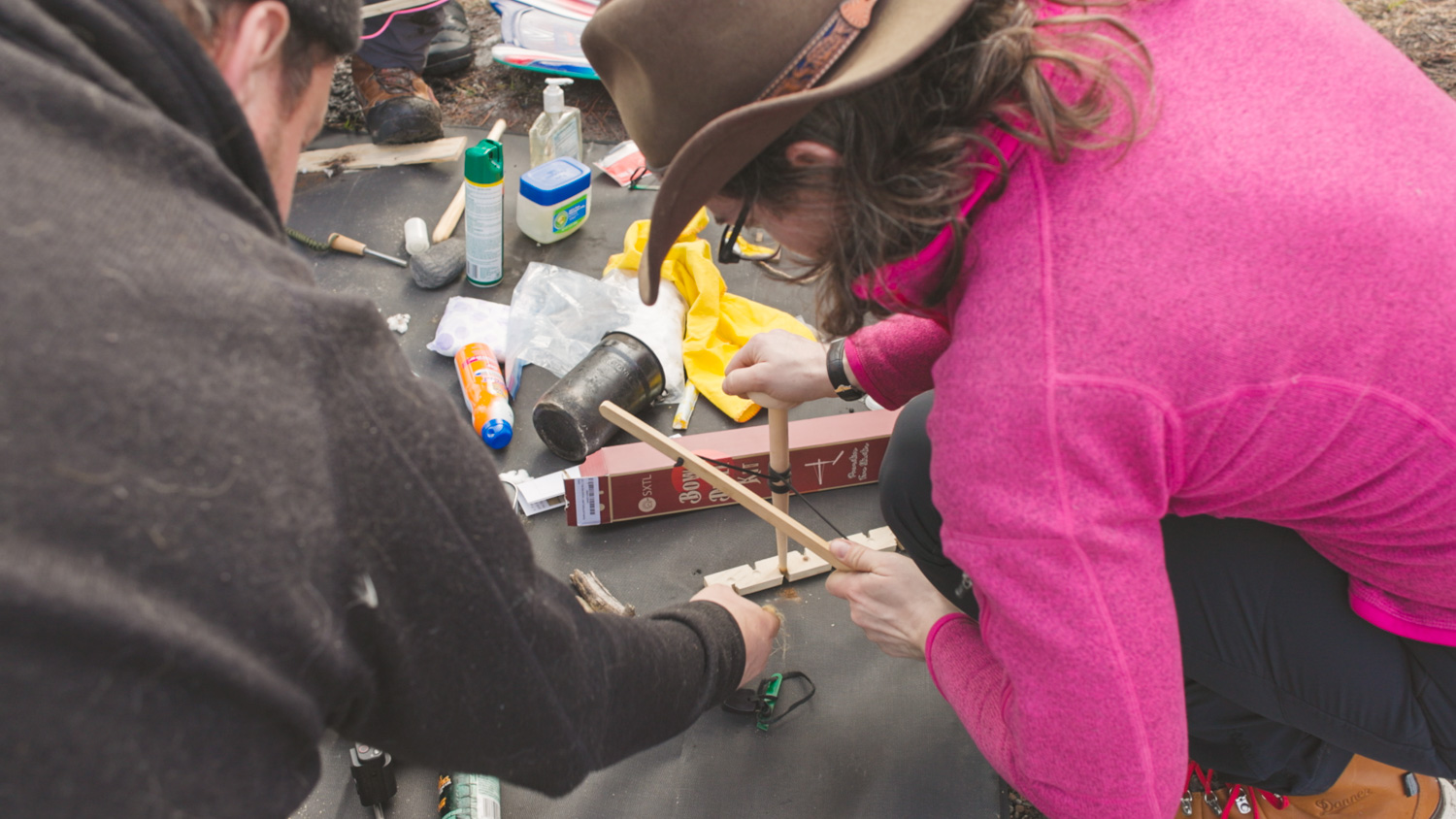
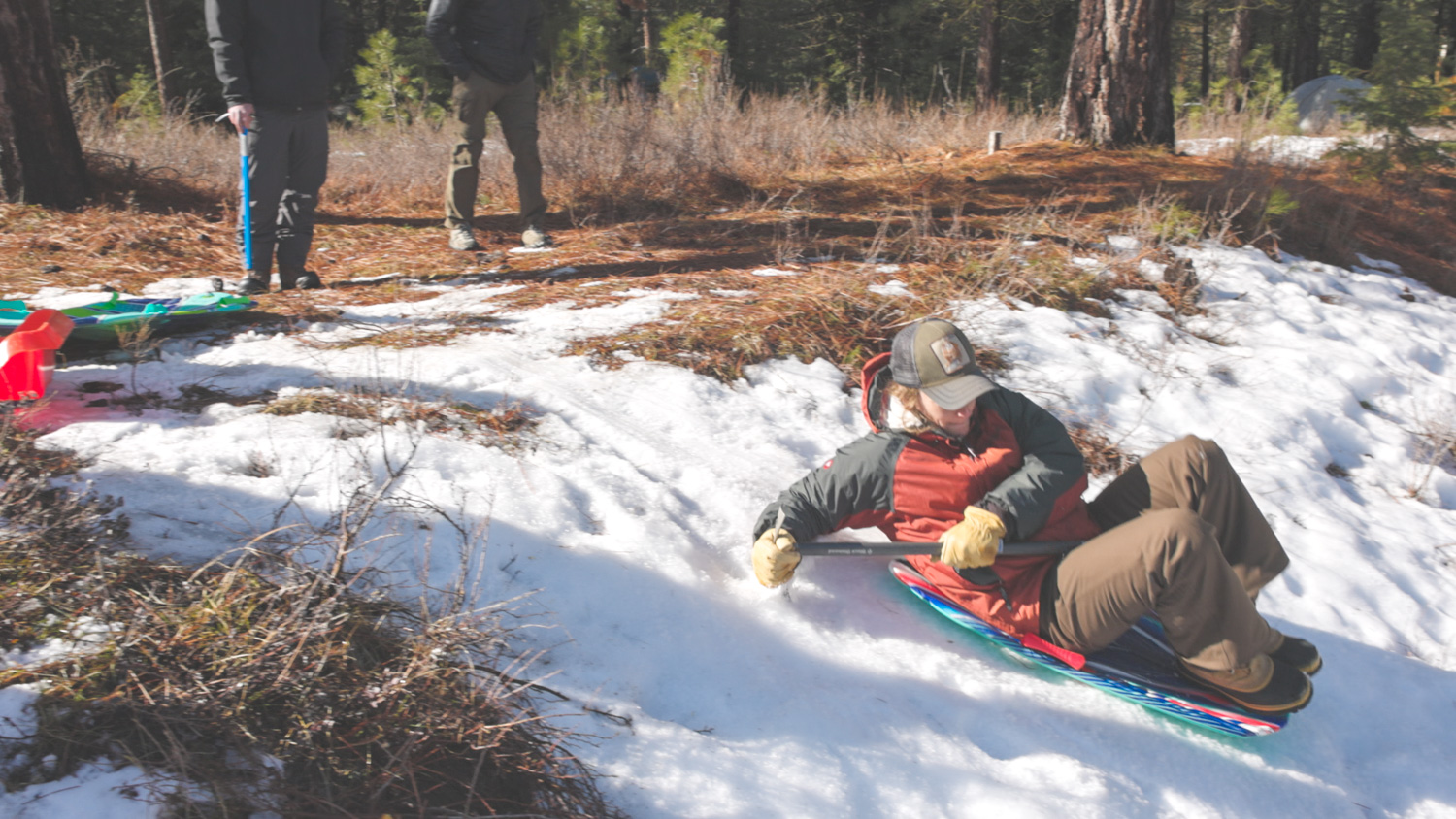
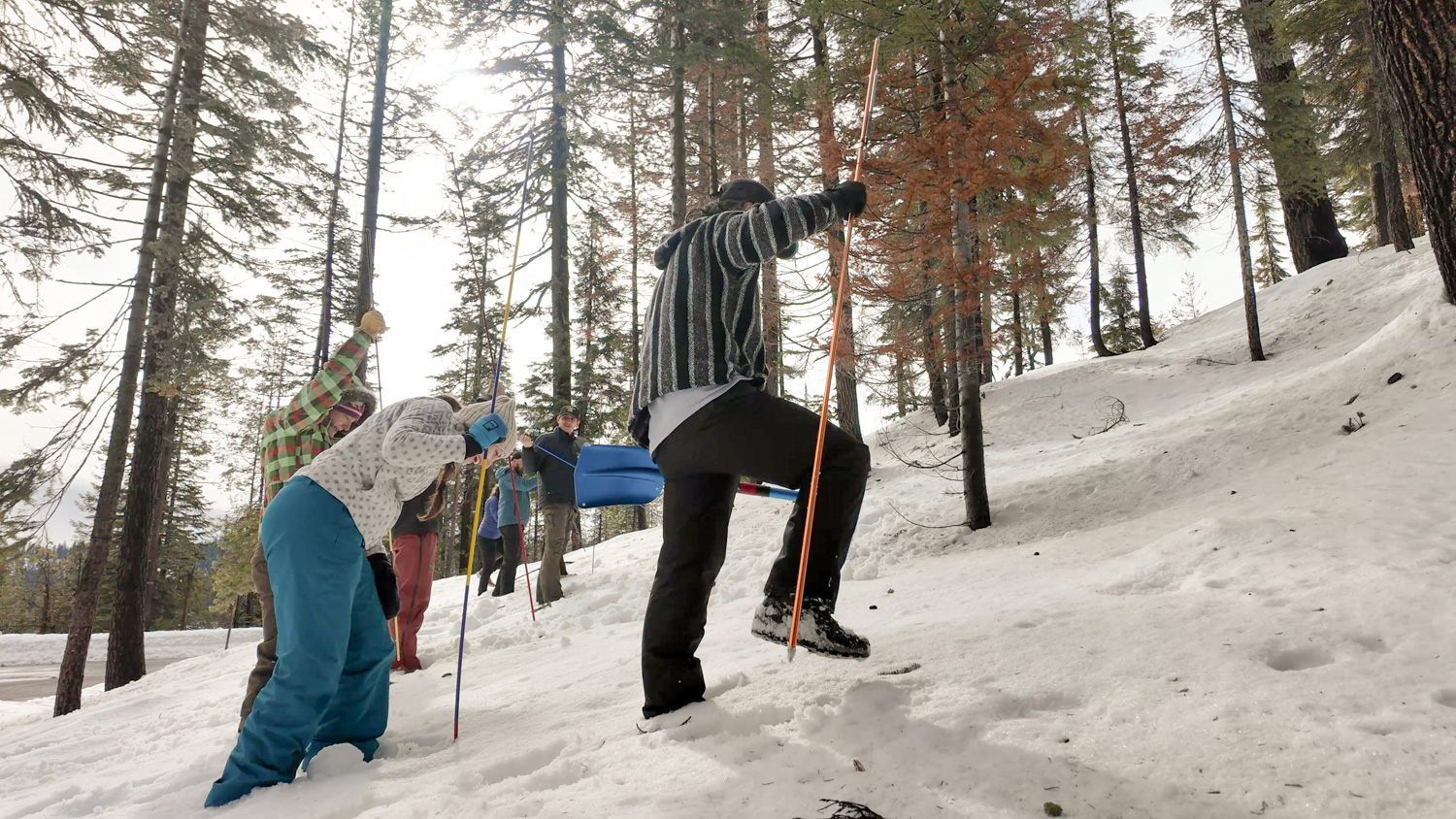
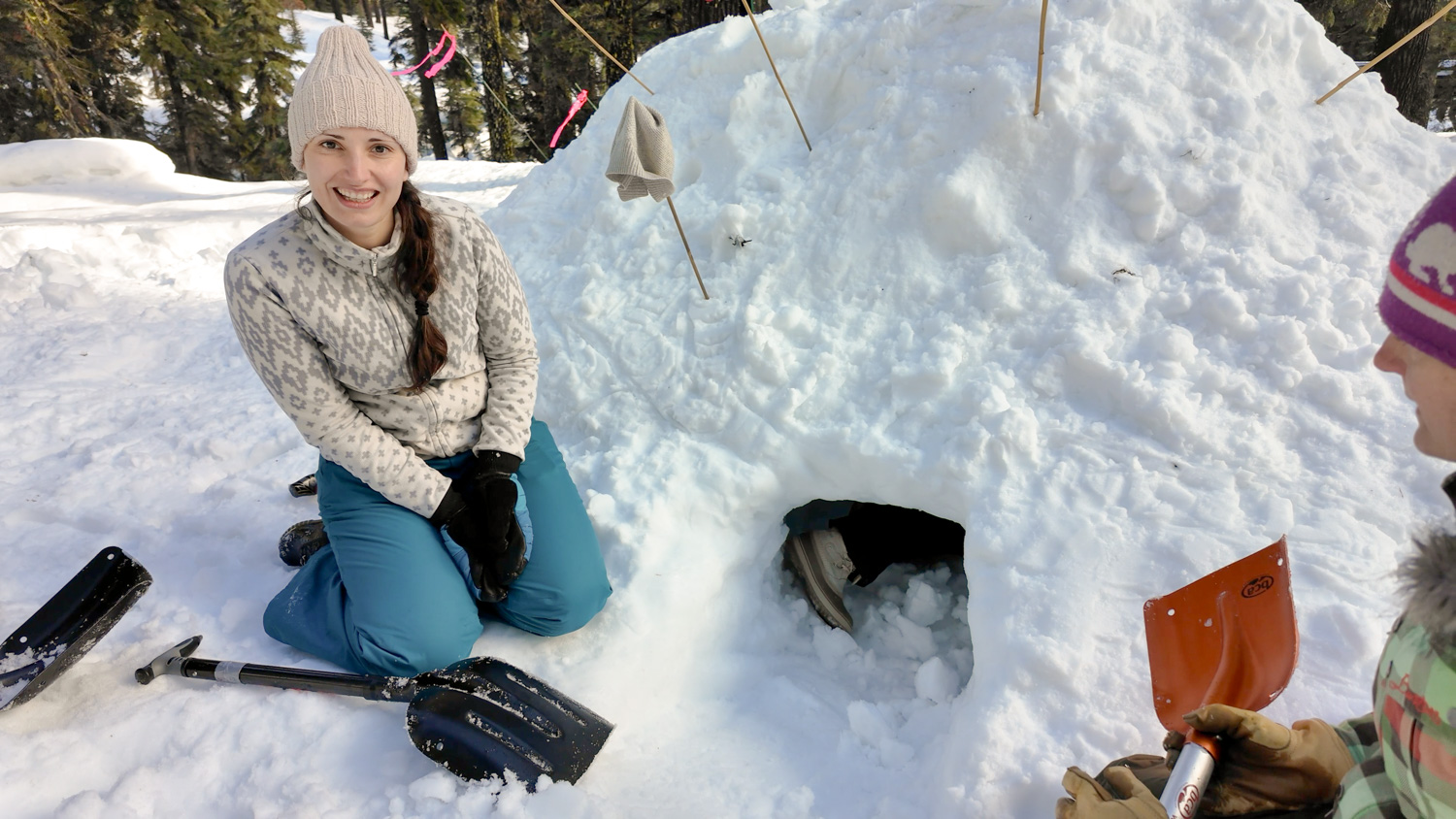
The winter version of the course runs three days and two nights. Participants learn fire-starting with flint and steel (and improvised fuels like aerosol sunscreen), how to build snow shelters called quinzhees, avalanche safety and beacon training, compass and map navigation, pulley systems for rescuing injured people, and how to handle medical emergencies in the field.
Smith also teaches how to “MacGyver” or improvise gear out of whatever’s on hand. For example, hiking poles make a solid splint, or in the event of a plane crash, a plane seat cushion could wrap around your feet to prevent frostbite, while the plane’s electrical wiring might secure it in place.
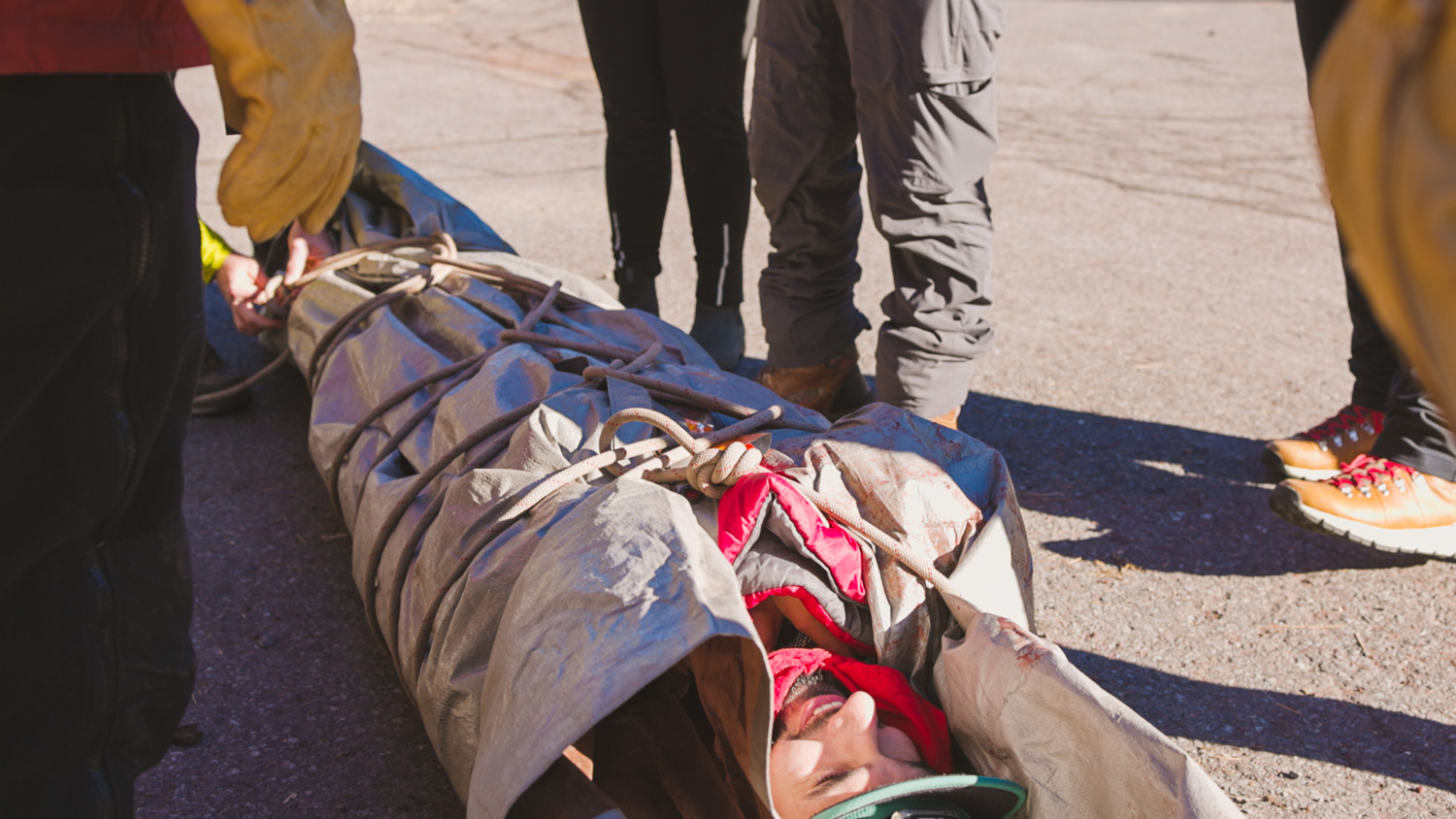
One highlight is a live rescue simulation. Renea Wood, public relations manager and community relations specialist at Sky Lakes, attended the winter course this past season. She watched a resident wade into freezing water so the group could practice a full cold-water rescue: stripping off wet clothes, wrapping the “victim” in tarps, and carrying her uphill to safety.
“Even the EMT that was there, she’s like, ‘My God, this is real,’” Wood recalls. “She just went into full EMT mode.”
“This training is going to go a long way in everyday knowledge and experience,” said Eric Basangan, community engagement coordinator at Healthy Klamath, “Things that we take for granted, how to build shelters, how to stay warm, how to navigate, how to use an ice axe to stop yourself from falling. Having that hands-on opportunity to do them is pretty cool.”
Why It Matters Beyond the Hospital
Smith says the course is open to any medical professional, and he uses grant funding each year to bring in nursing students, paramedics, respiratory therapists, and others. The course has even drawn attendees from across the country.
The mix is intentional. “Each brings different skill sets,” Smith explains. “When they’re working together out there in the wilderness, it really creates good teamwork, which is a huge part of the training.”
Smith has several stories that show how this training sticks. One of his former residents took his father on a rafting trip above the Arctic Circle in Alaska. Their raft hit a hidden ice bridge, went under for 200 yards, and surfaced on the other side with the two men on opposite banks. The raft and gear were all gone, but the resident did have a cigarette lighter in his pocket. He swam across the river to reach his dad, built a shelter from brush and moss, and got a fire started. They survived for days in the backcountry until a passing plane spotted them. “If you enjoy nature and you’re out there — whether it’s rock climbing, hiking, river rafting, kayaking — things are going to happen,” Smith says. “We wouldn’t be out there if there wasn’t risk involved.”
You Don’t Need a Medical Degree to Benefit
Wood isn’t a medical professional, but she found the course just as useful. She often does wilderness activities alone and also leads friends on hiking trips in the Cascades.
“It was a great opportunity for me to get additional training so I can better enjoy the hobbies that I have,” Wood says. “It validated some of the knowledge I already had and gave me an opportunity to look at where I could improve.”
She also learned firsthand how quickly a good hike can turn into a survival situation. One Mt. McLoughlin trip ended with a friend’s injured knees, getting lost at dusk, no light or whistle, and shiny animal eyes reflecting back at them in the dark. They eventually made it back safely, but Woods now never goes out unprepared.
Anna Zandler, medical student at Sky Lakes Medical Center agrees. “I’ve learned a lot about being aware and thinking before I go out about what I’m taking with me if I was in a survival situation. I’m a lot better prepared for anything like that now and would have more self-confidence.
The Most Important Survival Tool
Smith is approaching retirement, and he’s passing the course to two other physicians, Stewart Decker and Jacob Rogers. But his core message for anyone who ventures outdoors stays the same: “When you have an emergency, keep calm and use your brain,” he says. “Keeping your wits about you is the most important tool.”
It’s good advice, whether you’re a doctor on a remote river trip or a hiker who wandered off trail. “The doctors that have been through this, they are better doctors both in the hospital and outside of the hospital,” Smith says.
Alex Levin, M.D. of Cascades East Family Medicine commented, “It teaches you to be creative with what resources you have. That’s the biggest thing I apply to my day-to-day life, sometimes just at home working on projects, but also working in the clinic and the hospital. You never know how you can reuse a type of catheter or a syringe or a line in procedures.
The next time you’re heading into the backcountry, Smith recommends packing the 10 essentials and thinking through what you’d do if something went wrong.
Want to Participate in a Wilderness First Aid our Outdoor Safety Course?
The next Wilderness Course is September 2-4, 2026. Contact lily.kroeger@skylakes.org to ask about participation.
Dr. Decker offers a Wilderness First Aid course for students in the basin.
Dr. Decker also has some tips for Outdoor Safety and Wilderness Medicine.