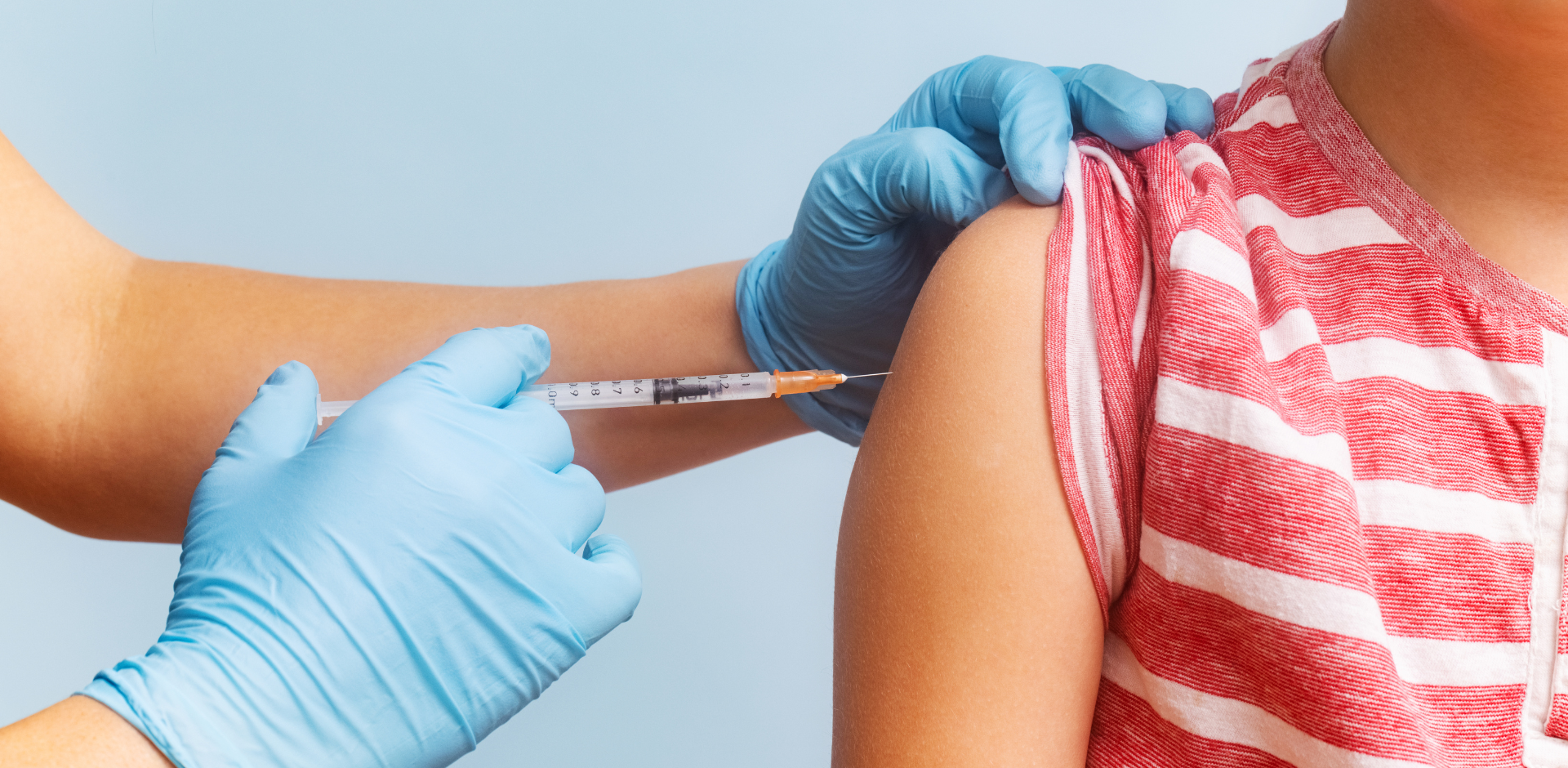
Your immune system works like a two-part security team. Dr. Stewart Decker, clinical wellness officer and medical director at Sky Lakes Wellness Center, explains that your body has an immediate response that kills invaders and a memory response that remembers them for next time.
“Your immune system is all about deciding what does and doesn’t belong,” Decker says. When germs invade, your body’s B-cells create antibodies — molecules with two sticky ends. One end sticks to the germ, and the other end calls in the killer T-cells to attack.
The first time you encounter a new germ, you can get pretty sick because your system is playing catch-up. But once your body finds the right antibody, it becomes much easier for it to remember how to fight that germ in the future. In some cases, such as a cold, your body has no problem fighting off the invaders. But sometimes an illness can be deadly or debilitating, and you need the extra help of a vaccine.
How Vaccines Train Your Immune System
When you get a vaccine, your body thinks it’s being attacked. Your immune system jumps into action, making antibodies to fight the “invader.” Even though the vaccine can’t make you sick, your body doesn’t know that, so it prepares for battle.
Your immune system has memory cells that remember how to fight specific germs. This memory can last for years (for example, shingles or hepatitis A) or even your whole lifetime (measles or hepatitis B). So if you’re ever exposed to the actual disease, your body already knows how to fight it and can stop the infection before you get sick.
Experts recommend getting vaccinated in September or October so you are protected before flu cases peak.
Six Main Types of Vaccines
Vaccines contain antigens, which are pieces of a germ that can’t make you sick. “What that vaccine does is, it presents the immune system with a small little chunk of that virus or bacteria so the immune system can prepare,” Decker explains. “It’s almost like giving your immune system a wanted poster so they know what bad guys to look for.”
Live-attenuated vaccines use a weakened version of the virus. Examples include the rotavirus, chickenpox, and MMR (measles, mumps, rubella) vaccines.
Inactivated/killed vaccines (for example, polio, hepatitis A, and rabies) contain dead viruses that can’t replicate. You’re not getting anything that could infect you; just the proteins your immune system needs to recognize the real thing.
Subunit or conjugate vaccines include chopped-up bits, usually a protein or sugar; and since it’s just a piece of the germ, there’s zero chance of it causing infection. This type of vaccine includes whooping cough (pertussis), hepatitis B, and HPV.
mRNA vaccines provide your cells with genetic instructions to make a specific protein from the virus. Your immune system then recognizes that protein as foreign and creates antibodies against it. This technology has been researched and tested since the 1970s. The COVID-19 vaccines were the first mRNA vaccines on the market and vaccines for the flu and RSV have recently been approved by the FDA. Vaccines in the works include those for personalized cancer, HIV, and Lyme disease.
Toxoid vaccines target the harmful chemical (toxin) the germ makes, rather than fighting the germ itself. The tetanus and diphtheria shots are classic examples.
Viral vector vaccines use a different, completely harmless virus as a delivery truck to sneak a genetic blueprint into your cells. This category includes the Ebola vaccine.
Why You Might Feel Under the Weather After a Vaccine
Decker says, “When you get a vaccine, you are asking your immune system to activate, to create those immunities, those antibodies. And immune systems take some energy.”
You might get a fever, swollen lymph nodes, or feel achy after vaccination. That’s not an infection; it’s your immune system doing exactly what it’s supposed to do. “You’re not getting sick,” Decker says. “However, you are asking your immune system to do a bunch of work, which can knock you out if you’re sensitive to it.”
Protection for You and Your Community
Vaccines protect both you and the people around you. When enough people are vaccinated, diseases can’t spread as easily. This is a concept called herd immunity and it protects people who can’t get vaccines due to certain medical conditions.
Getting vaccinated is one of the simplest things you can do for your own health and for your coworkers, kids, grandparents, and community. If you haven’t got your vaccinations yet this year, now is the time.
Your immune system is remarkable on its own; a vaccine simply gives it the information it needs to protect you — and coworkers, kids, grandparents, and community — before a dangerous germ ever invades.
 [gtranslate]