[gtranslate]



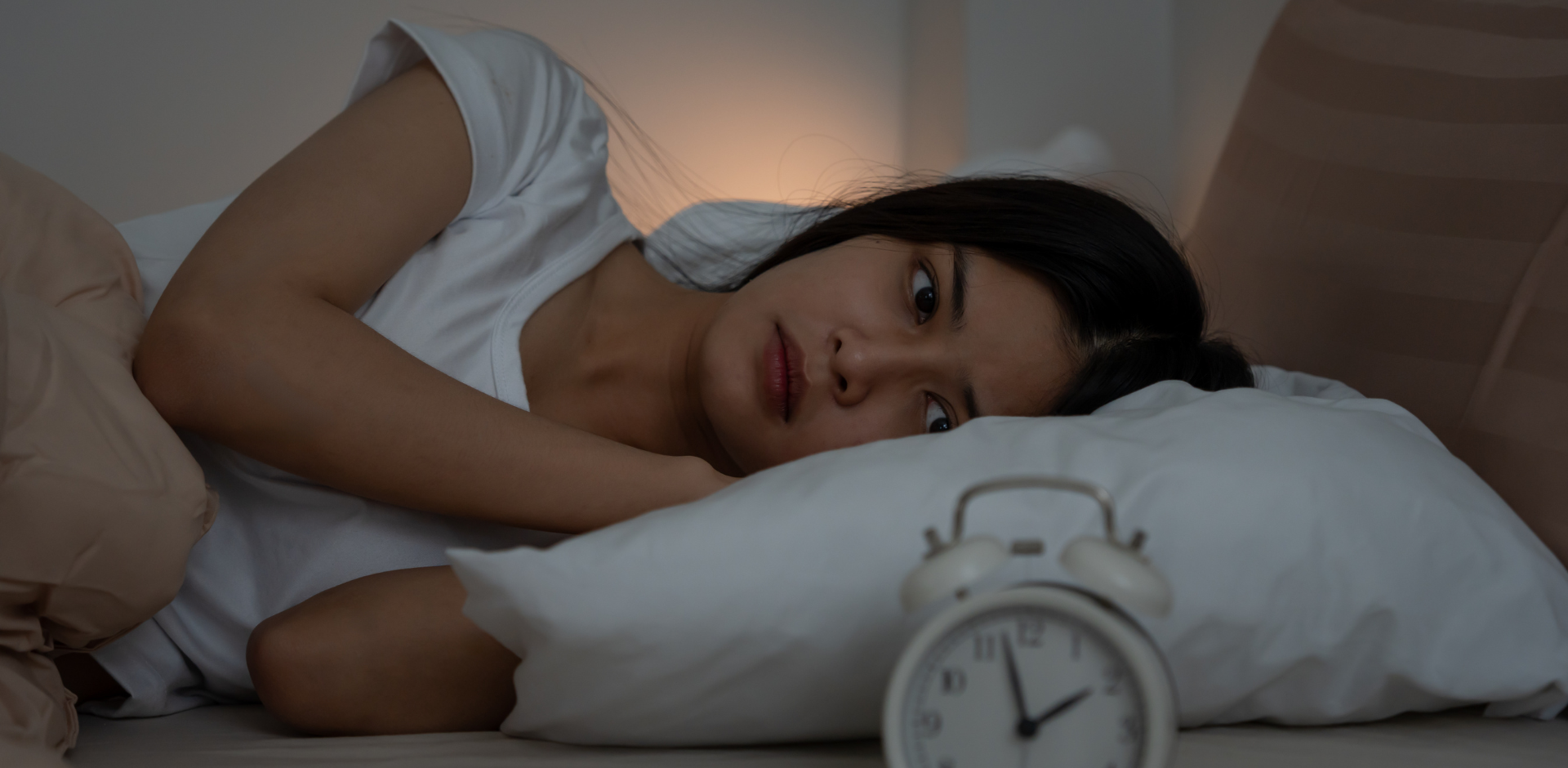
Dr. Stewart Decker, clinical wellness officer & medical director, Sky Lakes Wellness Center, explains there are two main types of insomnia:
- Primary: When the brain simply won’t shut off, with no identifiable underlying cause.
- Secondary: When another issue is keeping you awake, such as anxiety, depression, pain, or medications.
The key difference lies in treatment. Primary insomnia can be managed with specific sleeping medications, while secondary insomnia requires addressing the underlying cause, for example, treating the anxiety or pain.
The Common Culprits
Secondary insomnia often has fixable causes. Decker says the most frequent sleep disruptors include:
- Bed Partners: Restless human partners or pets that cause noise or movement.
- Racing Thoughts: The “brain racing” phenomenon where you can’t stop dwelling on the day’s events or anxieties.
- Pain: Chronic pain that prevents you from falling asleep or wakes you up with movement.
- Bathroom Trips: Frequent nighttime urination, which affects up to 40% of adults.
- Nightmares: Fear of going to sleep due to recurring nightmares.
Practical Solutions That Work
Sometimes, the simplest interventions are the most effective. Decker suggests:
- Eye Masks and Earplugs: A low-cost intervention that significantly improves sleep for many by blocking out noise and light.
- Creative Bedding: For restless partners, consider using two separate comforters on a queen bed so one person’s movement doesn’t tug the other’s sheets. Separate mattresses or beds are also options.
- Managing Nighttime Urination: Stop drinking caffeine after noon (caffeine is a bladder stimulant with a 20-hour active period in the body), stop drinking all liquids after 6 p.m., and make sure you pee right before going to sleep.
Calming the Racing Mind
When anxiety and racing thoughts prevent sleep, Decker recommends two techniques:
- Progressive Muscle Relaxation (PMR): Flex a muscle group (starting with the scalp) for 10 seconds, then completely relax it for 10 seconds. Work your way down the entire body. This meditative practice focuses the mind away from anxious thoughts and releases lactic acid, which can physiologically change your fight-or-flight response.
- Paced Breathing: Try breathing in for four seconds and exhaling for eight seconds. This very specific practice of breathing out twice as long as breathing in is effective for anxiety-driven insomnia. It’s best to practice these techniques daily, even when you don’t need them, so they are familiar when sleeplessness hits.
When to Consider Medication
For primary insomnia, Decker often recommends trazodone, noting it is non-habit forming and generally well tolerated.
Melatonin can be helpful, particularly for shift workers or those with disrupted circadian rhythms. For best potency, skip the gummies and pills; use tinctures or drops instead, as oral medications are often digested by the liver first, reducing the effective dose.
Avoid daily Benadryl for long-term use, as it can have negative side effects, including urinary retention and an increased risk for long-term memory changes.
Exercise for Better Sleep
Regular daytime exercise helps the body prepare for restorative deep sleep. However, be mindful of timing; avoid vigorous activity within an hour of bedtime.
Finding Your Solution
The most critical step is identifying your specific sleep challenge. Decker encourages keeping a sleep diary for a week to record:
- When you go to bed.
- What keeps you awake.
- When you wake up.
- How you feel the next day.
This pattern-tracking helps you and your doctor pinpoint the problem. Remember, treating secondary insomnia means addressing the root cause — whether that is anxiety, pain, or environmental disruption.
Good sleep is essential for mental and physical health. Don’t accept chronic sleeplessness as normal. By identifying what’s disrupting your rest and taking specific action, you can achieve the restorative sleep you need.