 [gtranslate]




Managing Type 1 diabetes (T1D) is a full-time responsibility, especially for children and teens. It means constantly monitoring blood sugar, managing insulin, and preparing for emergencies. Even leaving the house requires more planning than simply grabbing keys and a wallet.
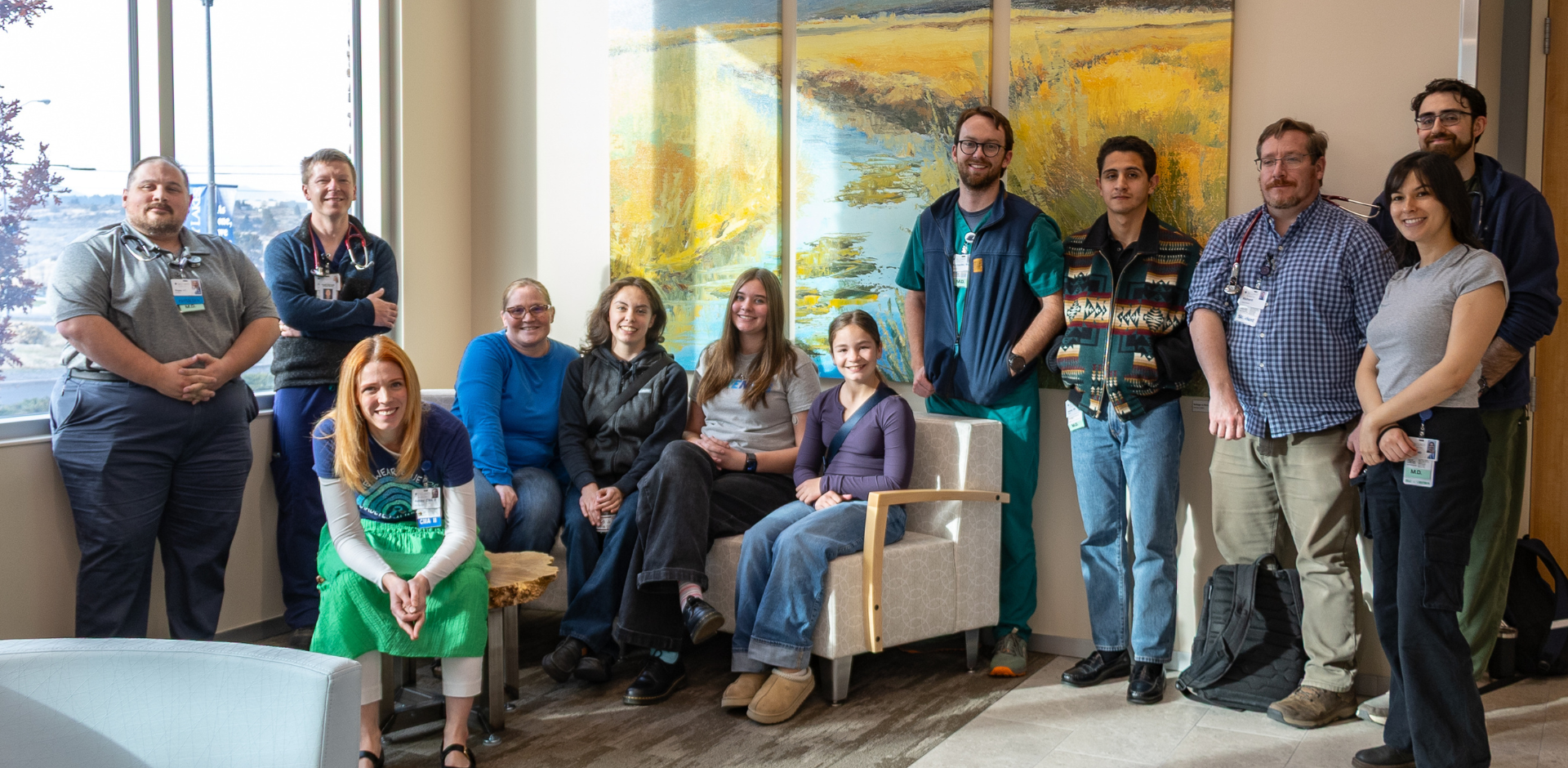
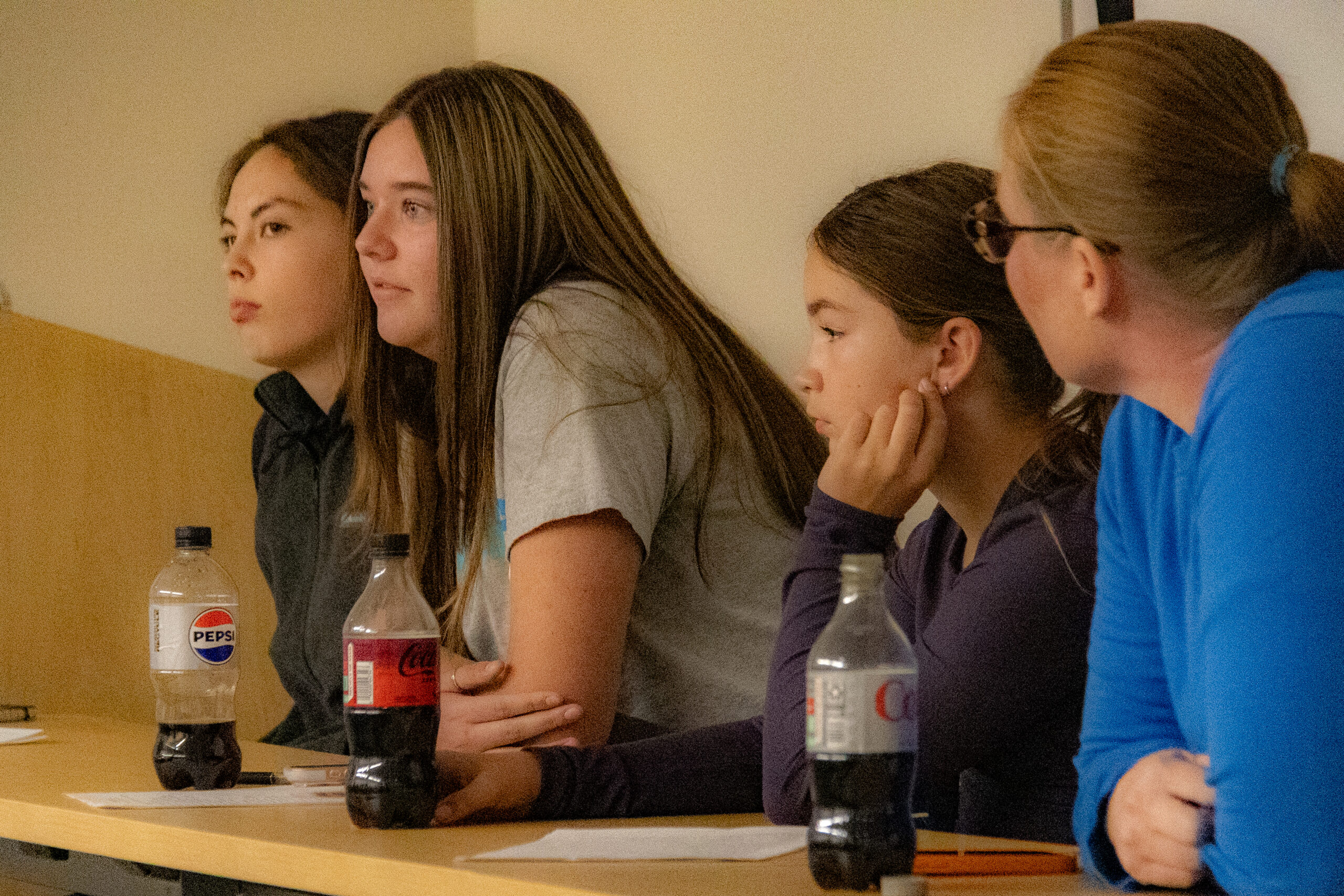
In recognition of National Diabetes Day, Sky Lakes brought together three local students living with T1D to serve as the subject matter experts, answering questions from Sky Lakes health care providers and sharing firsthand what life with the condition is really like. The discussion gave providers an opportunity to ask young patients what they can do to better support them.
For someone with T1D, leaving home means carrying essential supplies, including fast-acting glucose, insulin, blood sugar monitoring tools and emergency glucagon. Blood sugar can change unpredictably due to activity, food and stress, making access to these supplies critical to preventing life-threatening emergencies.
But managing diabetes goes far beyond supplies and numbers. The students spoke candidly about the emotional toll and constant responsibility of living with the condition.
“Having someone to talk to is super important. I talk to anyone who will listen to me. That is super important to me,” one student shared.
Another described the exhaustion of constantly managing their health: “I always feel tired. I always have a lot to think about.”
A parent shared the sobering message a diabetes educator once delivered about the importance of managing the condition: “If you don’t do this, the outcome will be death.”
The students also emphasized the importance of being heard by their health care providers. One explained that appointments can sometimes feel more like receiving instructions than having a conversation, adding, “Making assumptions is the worst, especially for people with diabetes because everyone is different.”
A Sky Lakes provider, Rachel Harsch, PA-C, who also lives with T1D, reinforced the importance of meeting patients where they are.
“Diabetes sucks! Find what the patient cares about; find an avenue they can relate to,” Harsch shared. Her goal is to help patients find ways to make diabetes management fit into their lives, rather than expecting their lives to revolve around their diagnosis.
Children and teens living with T1D are often forced to grow up faster than their peers, taking on the enormous responsibility of monitoring their health and making daily decisions that can quite literally keep them alive.
The panel offered an important reminder that caring for someone with diabetes requires more than managing blood sugar. It means listening, building trust, understanding individual experiences, and recognizing the emotional weight of the condition.
Sky Lakes hopes to make the student panel an annual event, continuing to create opportunities for young patients to share their experiences and help providers better understand how to support them.
Sometimes, one of the most important things a health care provider can do is simply listen.
