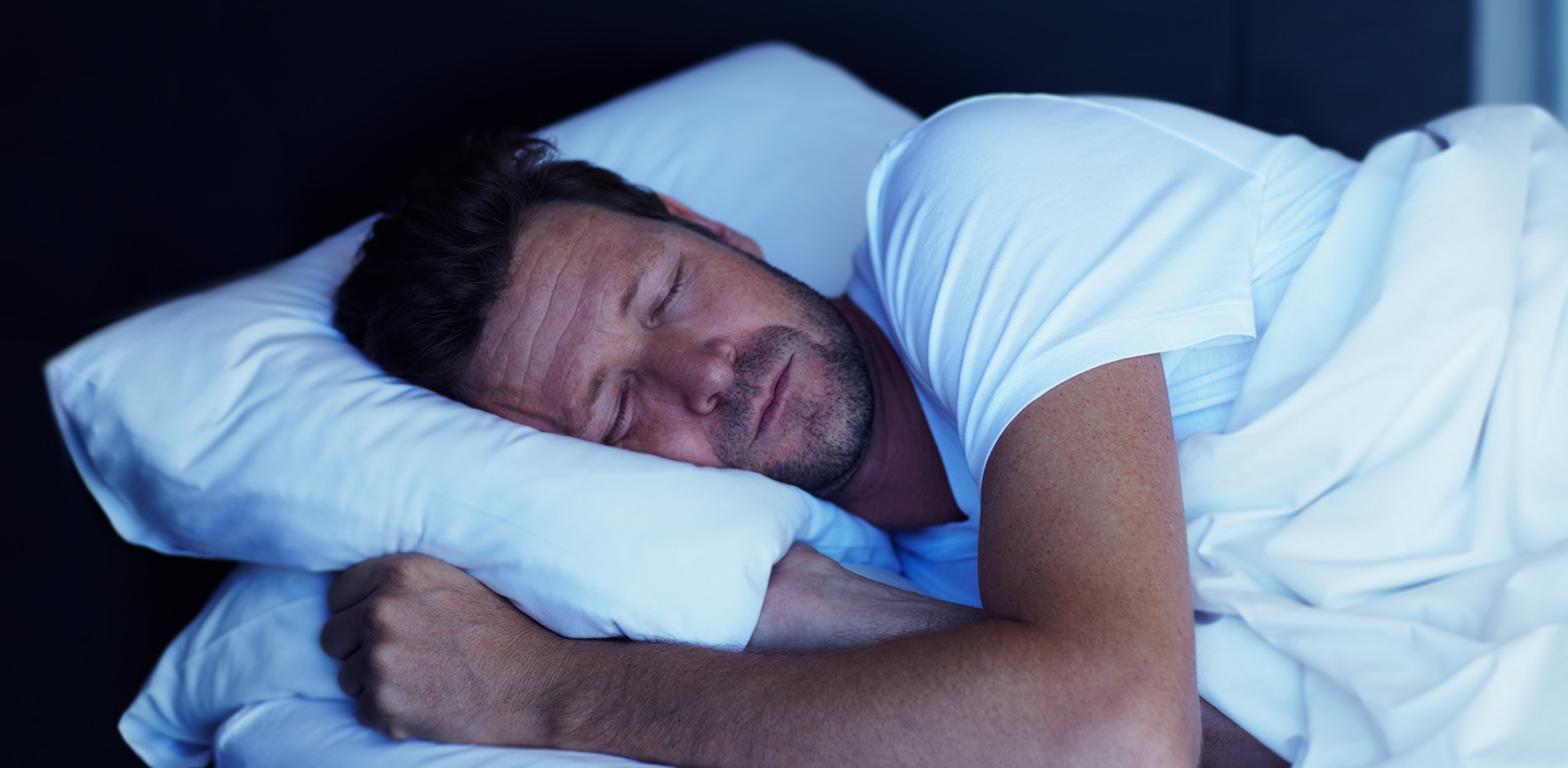
If sleep came in a bottle, it would be the most prescribed medication. Sleep affects everything from weight gain to memory, yet millions of people sacrifice it for work, entertainment, or endless social media “doom-scrolling.”
Your Body’s Nightly Repair Shop
Sleep isn’t downtime; it’s when your body does its most important work. “Sleep comes in two varieties. There is your shallow REM sleep and then your deep sleep,” explains Dr. Stewart Decker, clinical wellness officer & medical director at Sky Lakes Wellness Center.
Think of REM sleep as your brain’s filing system. “This is your memory processing type of sleep. Your brain is deciding which things to commit to long-term memory, and which things can get left behind.”
Deep sleep is when the real repairing happens. “This is when your body cleans out all the lactic acid. It repairs all the muscles. It gets more oxygen, gets its store of glucose and glycogen all set up once again,” Decker explains.
Most people need about four hours of each type of sleep. That’s why eight hours is the gold standard.
The Cost of Sleep Debt
Sleep debt adds up fast. “If you’re supposed to get 8 hours of sleep a night and you only get 7 hours, that means that by the end of a week, you’ve lost an entire night’s worth of sleep,” says Decker.
He notes that lack of sleep causes “sluggishness, decreased attention and sociability, depressed mood, decreased caloric output during the day, increased hunger and decreased feeling of fullness, and blood sugar problems.”
And according to the National Heart, Lung, and Blood Institute, good sleep helps your immune system fight off infections, supports healthy growth and development, and may help prevent chronic conditions such as heart disease.
The Teen Sleep Challenge
Parents, take note: Teenagers aren’t being difficult when they can’t fall asleep at 10 p.m. “Teens’ circadian rhythm is shifted. Most adults start getting sleepy when it starts getting dark outside. Teens start getting sleepy about two hours after it gets dark outside.”
Decker wishes schools understood this better. “If we were clever, we would have had high school start at 10 a.m. instead of 8 a.m.”
Open Your Sleep Window
The biggest sleep saboteur isn’t insomnia or sleep apnea. “Sometimes people just don’t give themselves a big enough sleep window,” Decker observes.
The solution is simple. “You need to decide when you need to wake up, and go to bed 8 1/2 hours before that time.” That extra 30 minutes accounts for the time it takes to fall asleep. If you need to wake up at 6 a.m., you need to be in bed by 9:30 p.m. “If you are not doing that, then that is job number one.”
Ditch the Screens
Your phone and laptop are working against you. Artificial lights and screens inhibit your body’s natural production of melatonin, the hormone that makes you sleepy. “Even though it’s 8 p.m., your body should start making melatonin because the sun went down. If you have lights on in your house, if you have your screen on, [your body] will not [make] melatonin.”
Keep Calm, Accessorize and Exercise
Decker’s favorite low-cost intervention? “I love telling people to wear eye masks and earplugs. It’s a $5 intervention that improves people’s sleep half the time, if not more.”
Trouble falling asleep? Try guided meditation. “You can search for a guided sleep meditation on YouTube and it’s free,” he suggests. Just set it to not continuously play.
Exercise during the day also helps, but timing matters. “People sleep better if they exercise during the day, but not an hour before you’re supposed to go to bed.”
Make Sleep Your #1 Priority
“Getting sufficient sleep is one of the most important things you can do for your overall well-being,” says Decker. “Sufficient sleep is part of the treatment regimen for depression, anxiety, diabetes, high blood pressure, and stroke and heart attack risk.”
That’s right; eight hours aren’t negotiable — they’re essential. Make sleep a priority and watch your health improve.
 [gtranslate]